
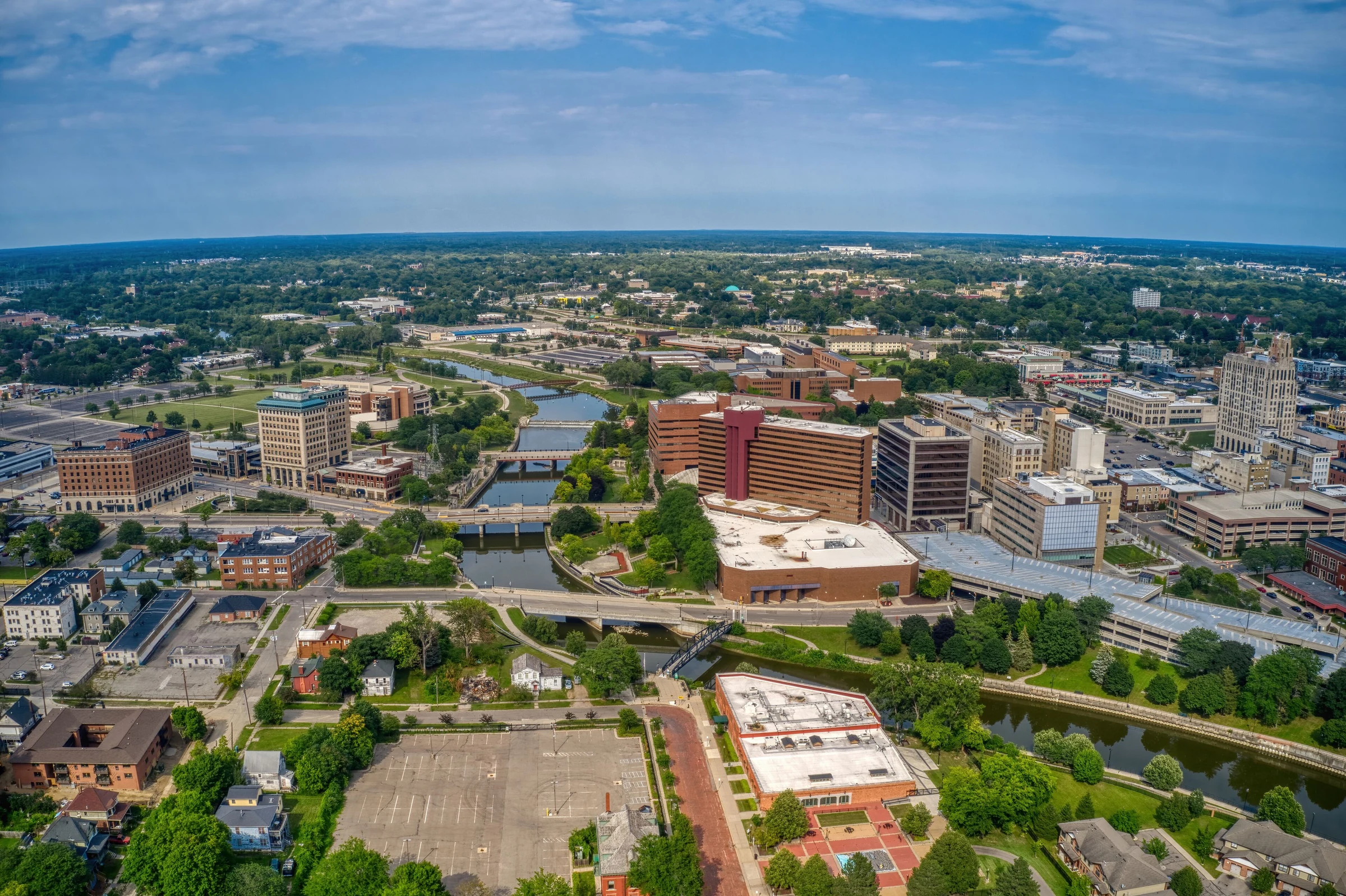
Commercial Roofing Contractors Lapeer, MI
Commercial Roofers in Lapeer, MI
A practical commercial roofing plan for Lapeer, MI properties separates urgent leak control from repair, coating, maintenance, and replacement decisions supported by photos and condition findings. Lapeer carries the weight of being Lapeer County's seat, which means its downtown core is a mix of government offices, law practices, and small commercial buildings that sit on top of decades-old flat roofs. A few miles out, the industrial park along M-24 and the rail corridor hosts a different roof profile entirely. We work both ends of that spread.
Government and Professional Buildings Around Courthouse Square
The blocks around Nepessing Street and the county courthouse are lined with brick two- and three-story buildings, most built long before TPO or PVC membranes existed. Many still carry built-up roofing or modified bitumen that's been patched and recoated more than once. These roofs have narrow parapets, older drains, and rooftop mechanical units added well after the original install, all of which create the transition points where leaks start.
County and municipal buildings add another layer of complexity: public funding cycles, bid requirements, and the need for a roof condition report that holds up when a facilities director has to justify a capital expense to a board. We write our inspection reports with that board-level audience in mind, in addition to the property manager who requested them.
Industrial Park Roofs Along the Rail Corridor
The industrial park east of downtown, near the Grand Trunk rail line, is a different animal — larger footprints, wider clear spans, and roofs that were designed for equipment loads and skylights rather than pedestrian traffic. We see a mix of older metal roofing on machine shop and light-manufacturing buildings alongside newer TPO installs on distribution and flex-space structures.
Ag equipment dealers and parts suppliers along M-24 tend to run standing seam or R-panel metal over showroom and service-bay sections, with a lower-slope membrane tie-in over the back-of-house warehouse space. Getting that transition detail right is where most of the leak calls we take in that stretch of town originate.
What Freeze-Thaw Does to Lapeer's Older Membranes
Michigan's freeze-thaw cycle is hard on any low-slope roof, but it's especially rough on the older BUR and modified bitumen systems still common downtown. Water that pools near a parapet or drain during a thaw refreezes overnight, and that repeated expansion opens seams and cracks the surface faster than UV exposure alone would.
- Ponding water that doesn't drain within 48 hours of a rain event
- Cracked or alligatored bitumen surfacing near parapet walls
- Ice damming at drains and scuppers each winter
- Rust streaking or fastener backout on older metal panels
- Interior ceiling stains that reappear in the same spot after every storm
- Soft or spongy decking felt underfoot near rooftop units
None of these are emergencies by themselves, but left alone through another winter, any one of them turns into a tear-off instead of a repair.
Storm Damage and Insurance Documentation for County and Private Owners
Hail and straight-line wind events roll through Lapeer County most summers, and when they do, we get calls from both private building owners and facilities staff managing public buildings. Our approach is the same either way: get a tarp on any exposed area fast, then document the damage thoroughly enough that the claim doesn't stall out over disputed cause. We photograph and log everything before repairs start, not after.
For a county or municipal roof, that documentation often has to satisfy an insurance adjuster and a public records request. We build our reports to hold up to both, drawing on the same insurance documentation process we use on every storm call in the county.
Timing Re-Roofs Around Public and Retail Budget Calendars
Government buildings usually plan roof replacement around a fiscal year budget, which means the lead time between a decision and a scheduled tear-off can stretch months. We'll do a full inspection and give a straight answer on how many seasons a roof has left, so a facilities director has real numbers to bring to a budget meeting instead of a vague estimate.
Private commercial owners downtown and in the industrial park usually move faster, especially once a leak starts affecting tenants or equipment. We keep both timelines in mind when we schedule crews in Lapeer, since a government job booked for next spring shouldn't push out a private repair that can't wait.
Ag equipment dealers along M-24 tend to fall somewhere in between — not on a public budget cycle, but often planning roof work around their own seasonal sales calendar, since a service bay roof torn off during spring planting season creates its own kind of headache. We ask about that calendar before proposing a start date.
Reroofing Without Losing a Downtown Storefront's Character
A number of the professional buildings around courthouse square carry cornice details, parapet caps, and street-facing elements that matter to how the block looks as a whole, even though the roof behind them is a plain low-slope membrane. We plan tear-offs and recovers to protect those visible details rather than treating them as expendable during the work, since a downtown building owner cares about the storefront's appearance as much as the roof's performance.
That's a smaller consideration on the industrial park side of town, where function drives the roof spec and there's rarely a historic cornice to work around. Knowing which kind of job we're walking into changes how we scope the work from the first site visit.
Lapeer Roofing Questions We Hear Most
Do you work on county or municipal buildings in Lapeer?
Yes. We've inspected and repaired roofs on public buildings in the courthouse district and understand the documentation and bid process that comes with public funding.
What's the most common roof type you see downtown versus the industrial park?
Downtown is mostly built-up roofing and modified bitumen on older brick buildings. The industrial park runs more toward metal on showroom and shop buildings, with TPO membrane over warehouse and flex-space sections.
How fast can you respond after a hail or wind event?
We prioritize emergency tarp and dry-in calls the same day when possible, then follow with a full damage assessment and photo documentation for the insurance claim.
Can a modified bitumen roof downtown be recovered instead of torn off?
Often, yes, if the deck is dry and structurally sound. We'll check moisture levels during inspection before recommending a recover over a tear-off.
Do you provide the inspection reports needed for a capital budget request?
We do. Our reports include photos, remaining service life estimates, and repair-versus-replace cost breakdowns written for a board or council audience.
Related
Ready to review the roof scope?
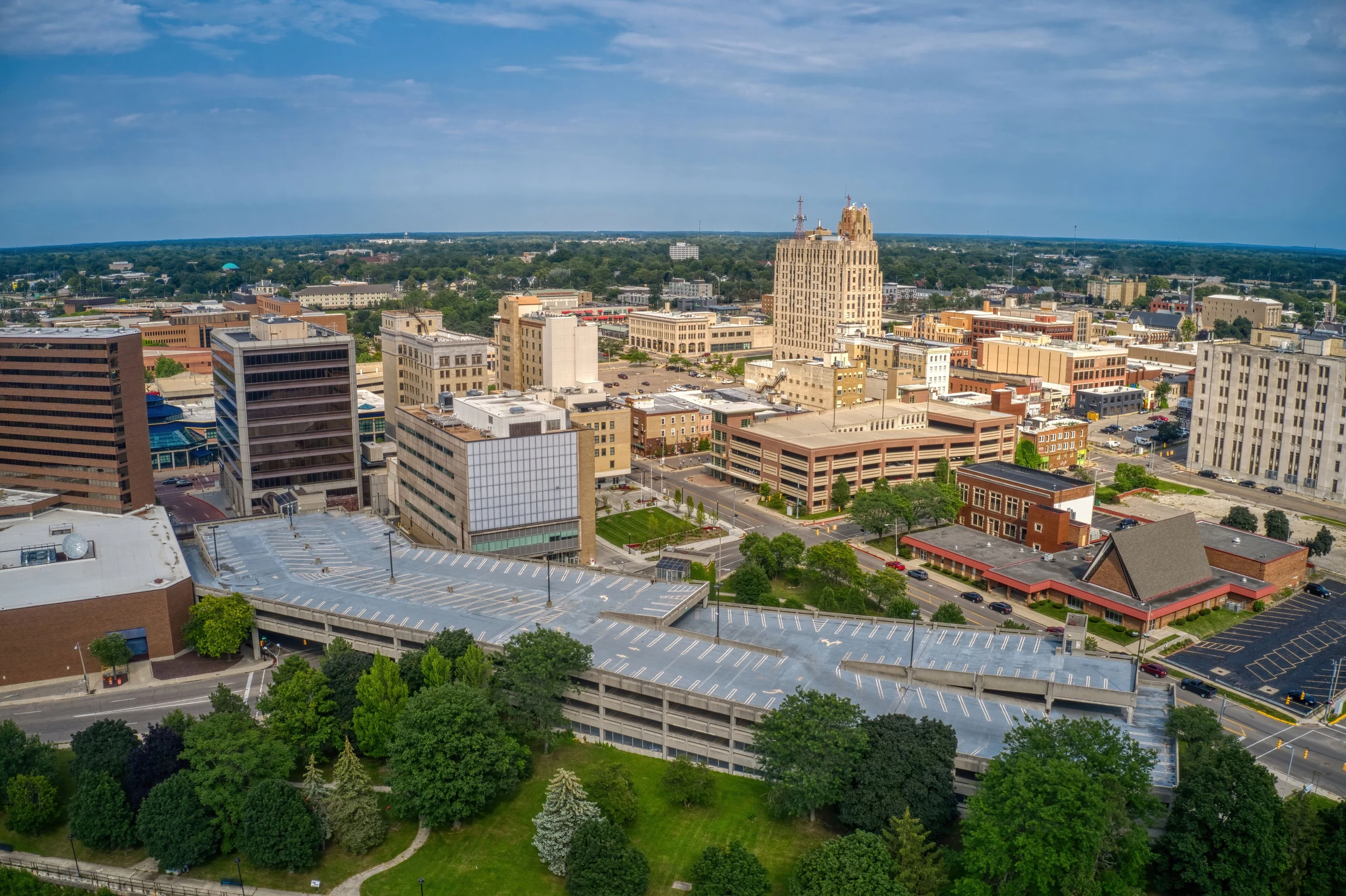
Let’s Talk About Your Commercial Roof
Share the building, roof history, known leaks or damage, access constraints, and schedule. We’ll start with the roof condition and the facility below it.