
Commercial Roof Insurance Claim Assistance in Flint, MI
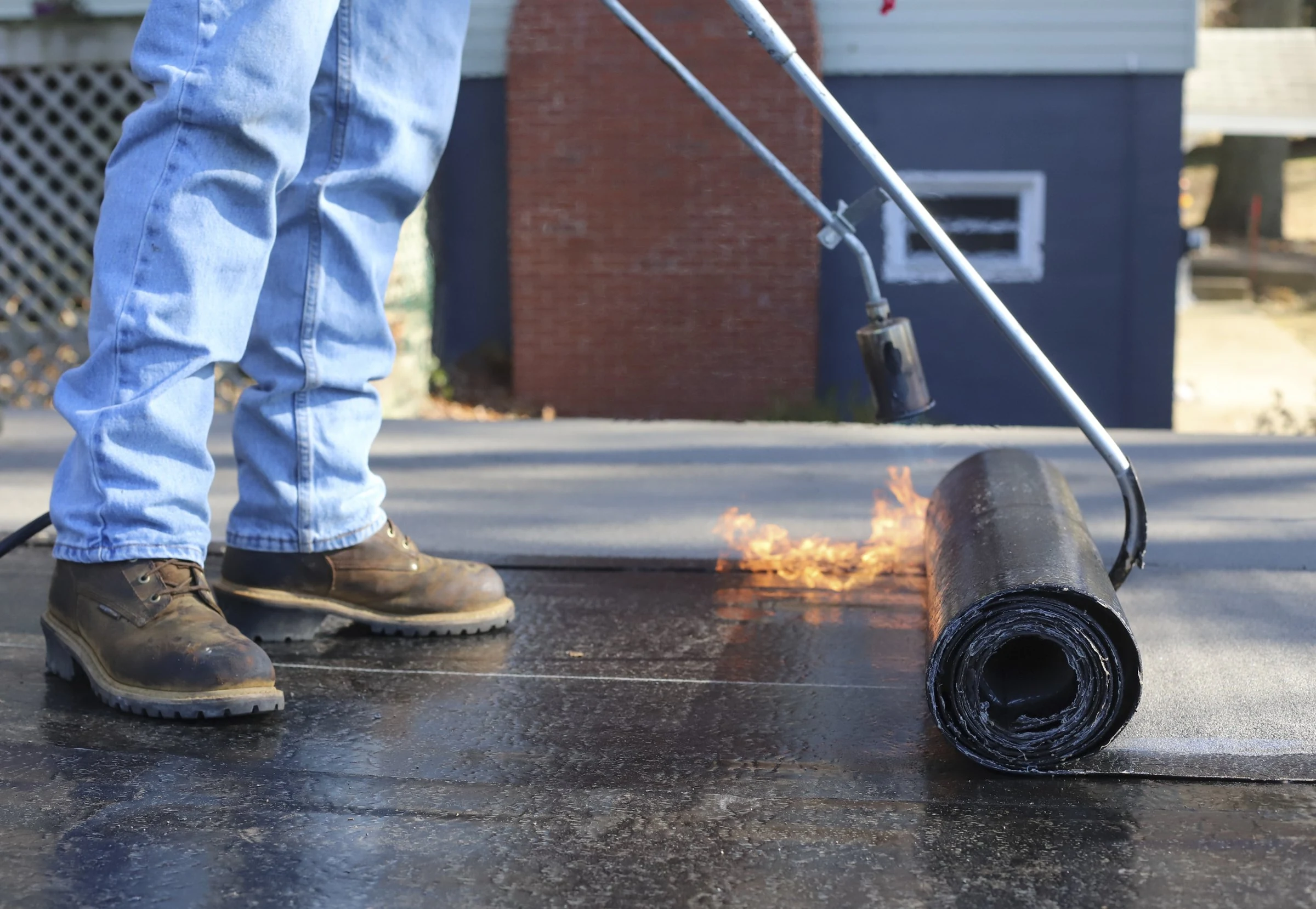
Commercial Roof Insurance Claim Assistance in Flint, MI
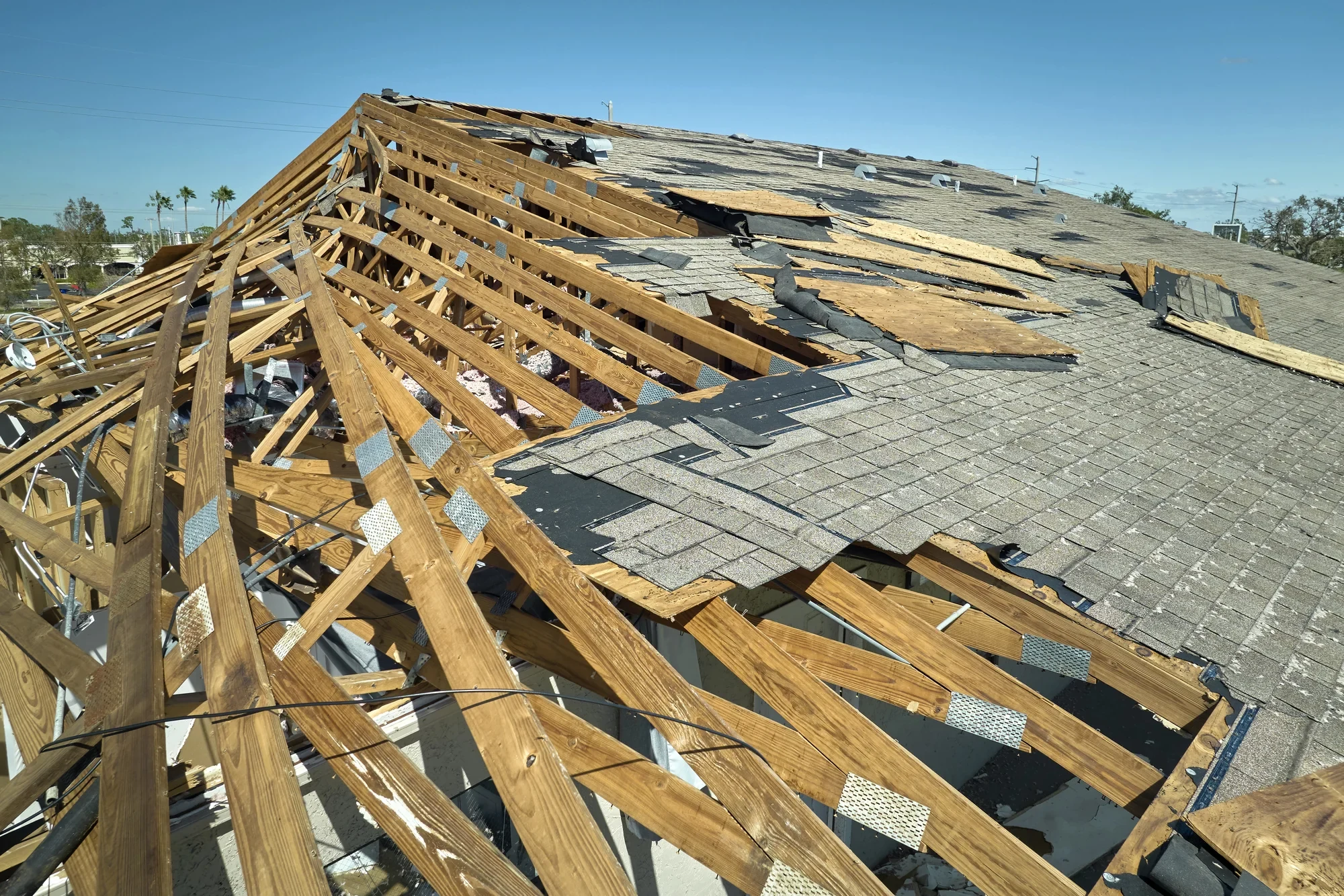
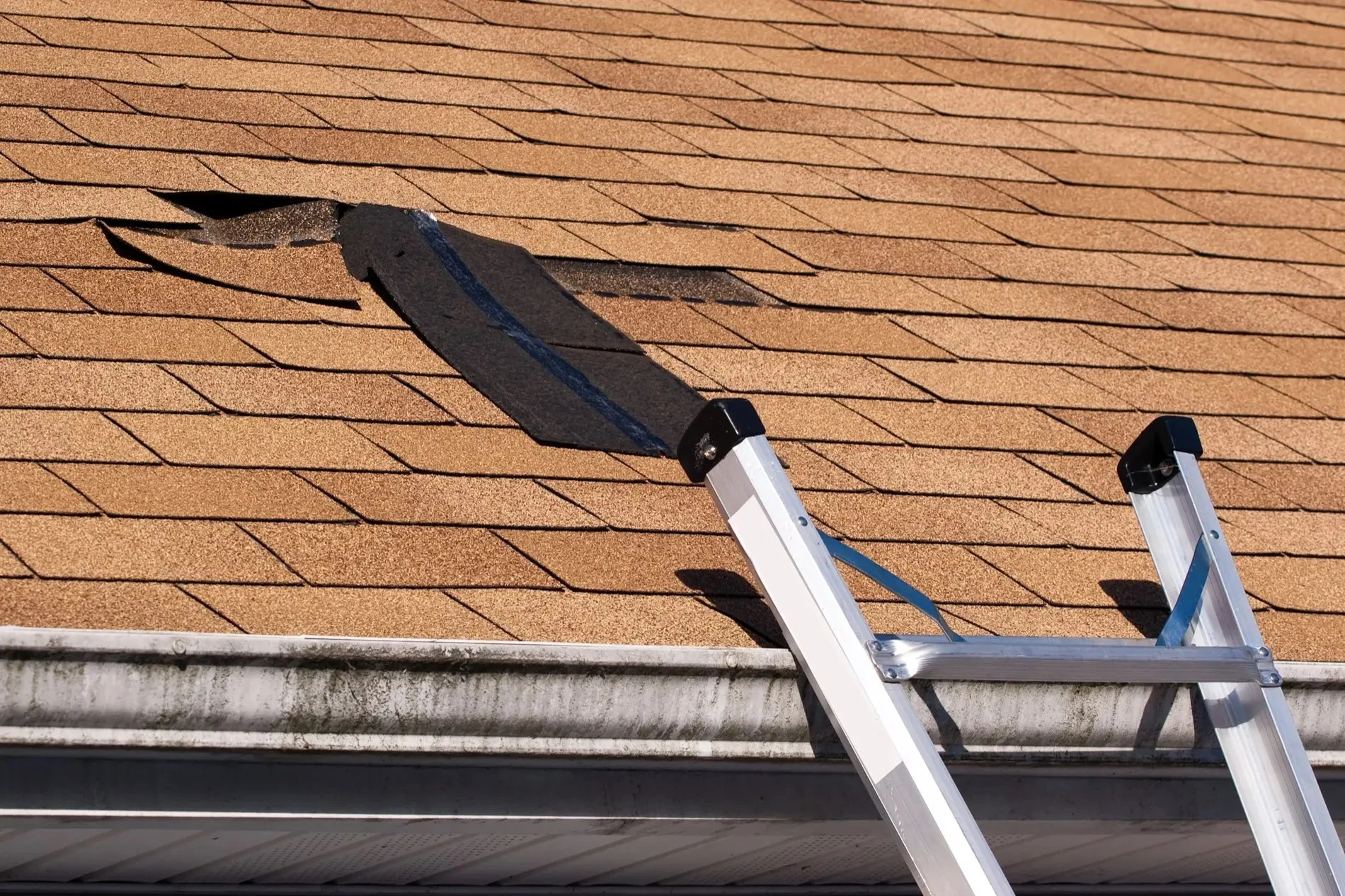
A commercial roof claim in Genesee County usually starts the same way: a storm passes through, someone notices a leak or spots damage from the parking lot, and the building owner calls their insurer before calling a roofer. That order works against the owner. The documentation an adjuster needs — dated photos, a roof plan marked with findings, a written scope tied to actual damage — has to come from someone who knows roofing systems, not from a phone description of a stain on the ceiling tile.
We're a commercial roofing contractor, not a public adjuster. We inspect the roof, document what we find, and produce a scope that reflects the true extent of the damage, so the owner and the adjuster are working from the same accurate picture. We don't file the claim, negotiate the settlement, or promise a payout amount — that's not our role and we're direct about the line.
What a Claim Actually Requires
Insurers want specifics: when the damage occurred, what caused it, exactly where it is on the roof, and what it will cost to correct. A vague description of "storm damage" rarely holds up on its own. We build a documentation package around dated, location-tagged photos matched to a roof plan, moisture readings where water intrusion is suspected, and notes distinguishing new damage from pre-existing wear, since that distinction is often the first thing a disputed claim gets challenged on.
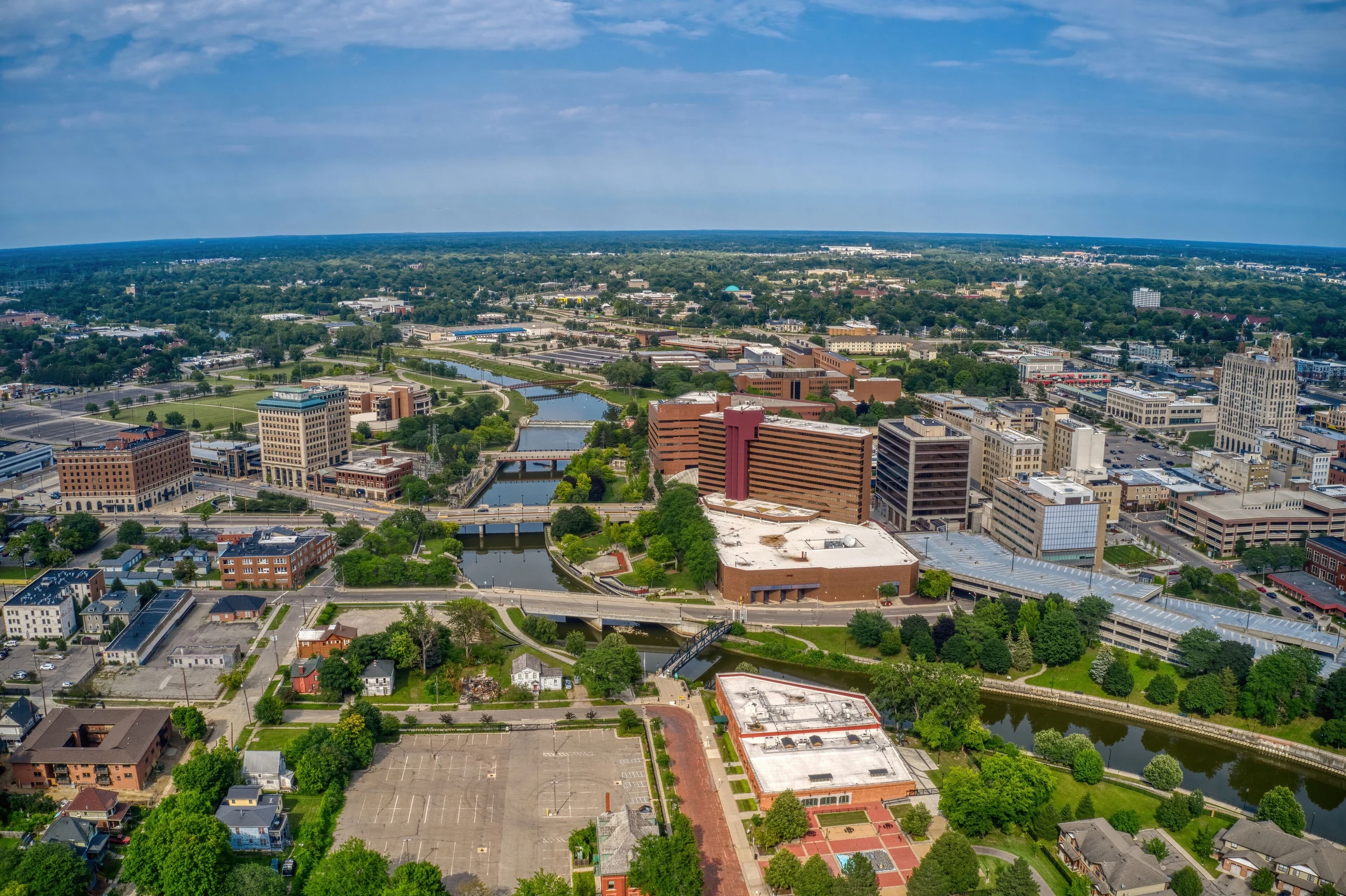
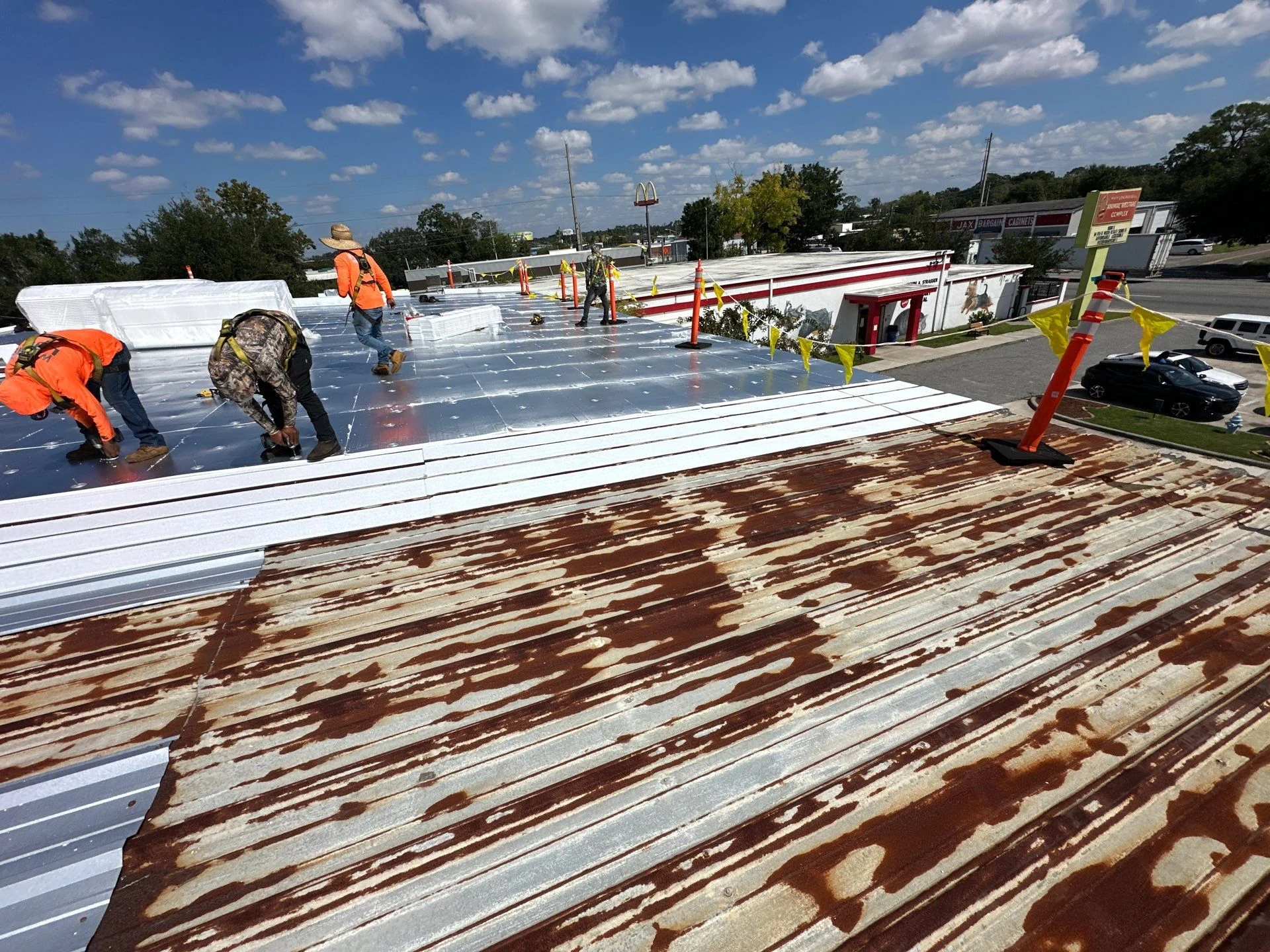
Flint's older commercial stock complicates this in a specific way. A lot of the built-up roofs on legacy manufacturing buildings and industrial flex space around the city have been patched and re-patched over decades. Telling a storm-caused failure apart from a roof that was already failing takes someone who's spent time on that kind of membrane, not a generalist looking at photos.
Documenting Damage Before It Gets Buried in a Repair
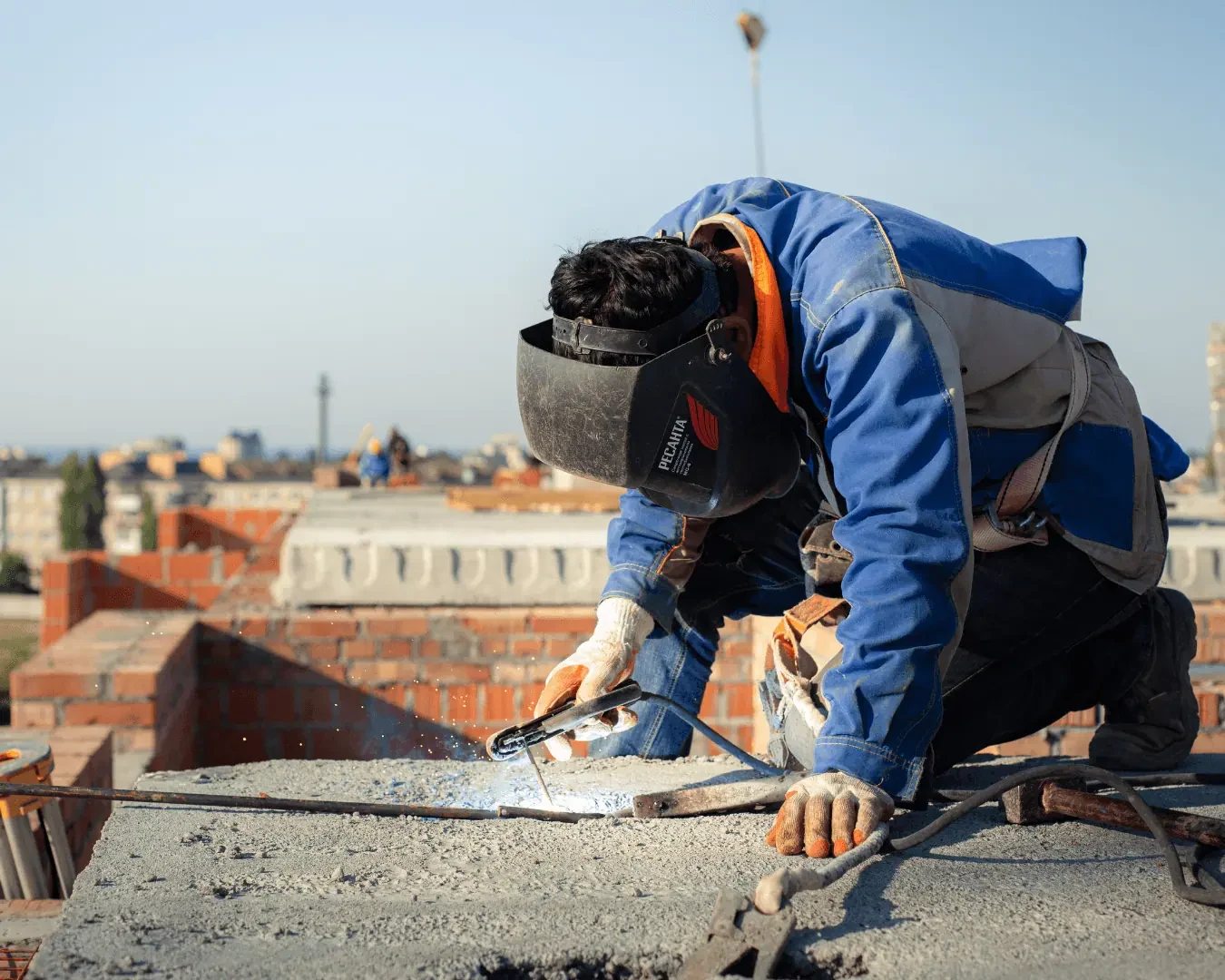
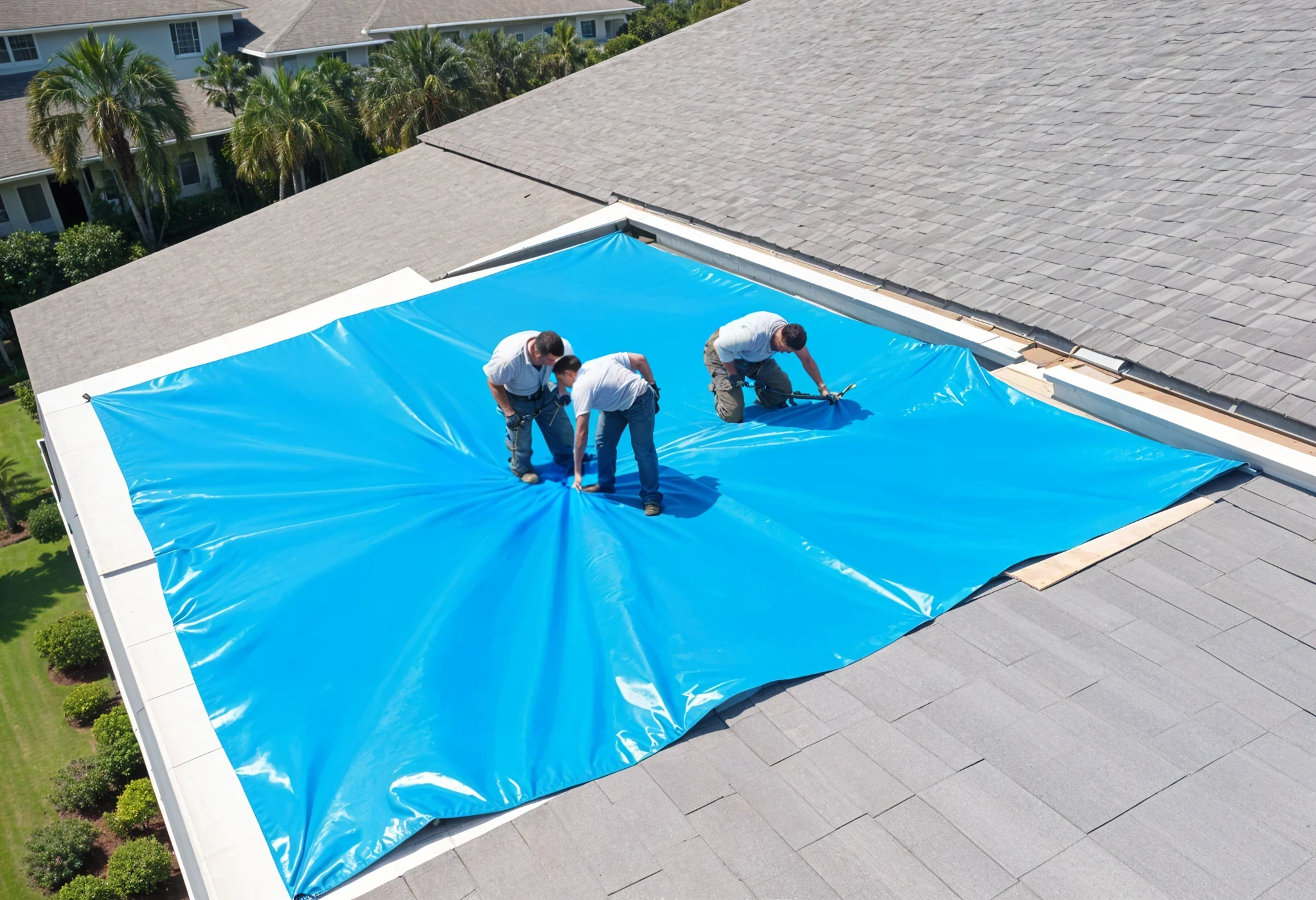
Emergency repairs happen fast, and that's appropriate when water is actively getting into a building. But a tarp gets put down, a temporary patch goes in, and the original damage pattern can get partially covered before anyone photographs it properly. Our approach is to document first, even if that just means a five-minute photo pass before the tarp crew starts, so the claim file has a clean record of what the roof looked like at the point of failure.
Meeting the Adjuster on the Roof
When an adjuster schedules a site visit, we meet them there. We walk the roof together, point to specific findings, and answer the technical questions that come up — what a core sample showed, whether a dent in metal roofing cracked the finish coating, why a moisture scan reads wet in one section and dry in another twenty feet away. We keep that conversation factual. We're not there to argue for a bigger number; we're there to make sure the adjuster's report reflects what's actually on the roof.
Framing the Complete Scope
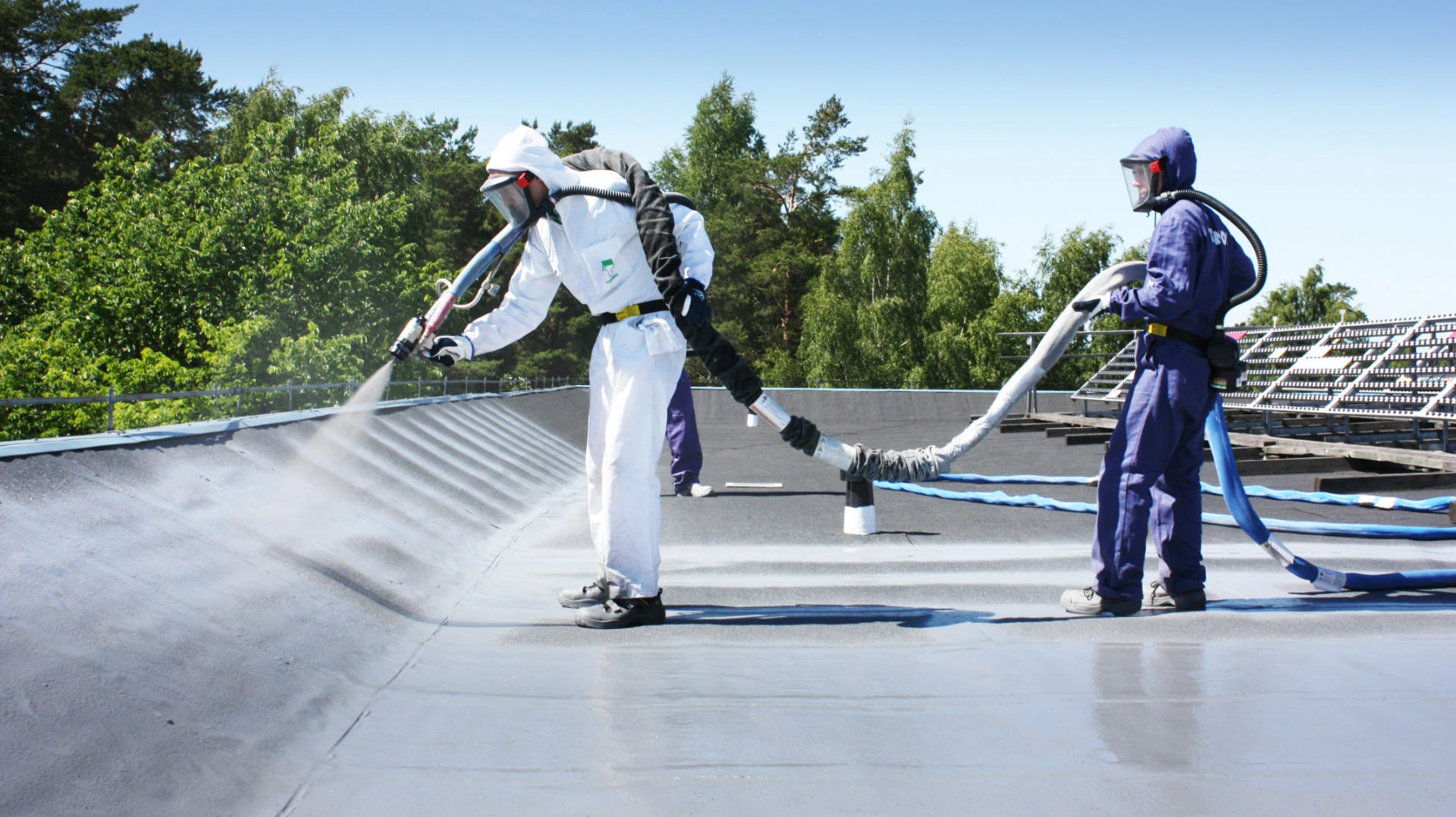
Underpaid claims are often underpaid because the original scope missed something legitimate, not because the insurer acted in bad faith. Code-required upgrades that weren't part of the original roof, matching requirements when only part of a membrane can be sourced, tear-off and disposal costs that get underestimated — these are common gaps. We itemize the full scope up front, including the parts that are easy to leave out of a fast estimate, so nothing legitimate gets missed the first time around.
When a Claim Comes Back Denied or Underpaid
If an adjuster's assessment disagrees with what we documented, we don't have the authority to settle that dispute — that's between the owner, the insurer, and if it comes to that, a public adjuster or attorney. What we can do is stand behind our documented findings, provide a second, more detailed roofing-specific assessment if the owner wants one, and make sure our scope estimate is defensible against a like-for-like comparison with what the insurer's own engineer reports.
Multi-Building Portfolios After a Regional Storm
Property managers and manufacturing operators with several buildings around Flint, Grand Blanc, and the surrounding townships often find that one storm event damages more than one roof. Insurers evaluate each building separately regardless of shared ownership, so we document each roof on its own with its own dated record rather than treating a portfolio as a single claim.
Commercial Roof Insurance Claim Questions
Does insurance cover commercial roof replacement?
It can, depending on the policy and whether the damage is determined to be storm-caused rather than age-related wear. That determination is the insurer's call, based in part on the documentation available.
Will you file my claim for me?
No. We're your roofing contractor, not a public adjuster — we document and substantiate the roof damage so you and your adjuster work from an accurate scope, but filing and managing the claim itself is between you and your insurer.
What if the claim gets denied?
We'll review the denial against our documentation and let you know if we see something the assessment missed. Beyond providing that technical read, resolving a denial is outside what a roofing contractor can do on an owner's behalf.
How is repair different from full replacement in a claim?
It comes down to whether the documented damage is isolated and repairable or extensive enough that a section, or the whole roof, needs replacement. We scope both possibilities honestly rather than defaulting to whichever is easier to sell.
Do you work with public adjusters?
Yes, when an owner has one. We provide the roofing-specific technical documentation; the public adjuster handles the claim negotiation itself.
How fast can you get someone out after storm damage?
Emergency response starts with securing the building first. Documentation begins at the same visit whenever possible, so the record starts as close to the storm event as it can.
Related
Ready to review the roof scope?
Let’s Talk About Your Commercial Roof
Share the building, roof history, known leaks or damage, access constraints, and schedule. We’ll start with the roof condition and the facility below it.