

Hail Damage Roof Insurance Claims in Flint, MI



Hail Damage Roof Insurance Claims in Flint, MI
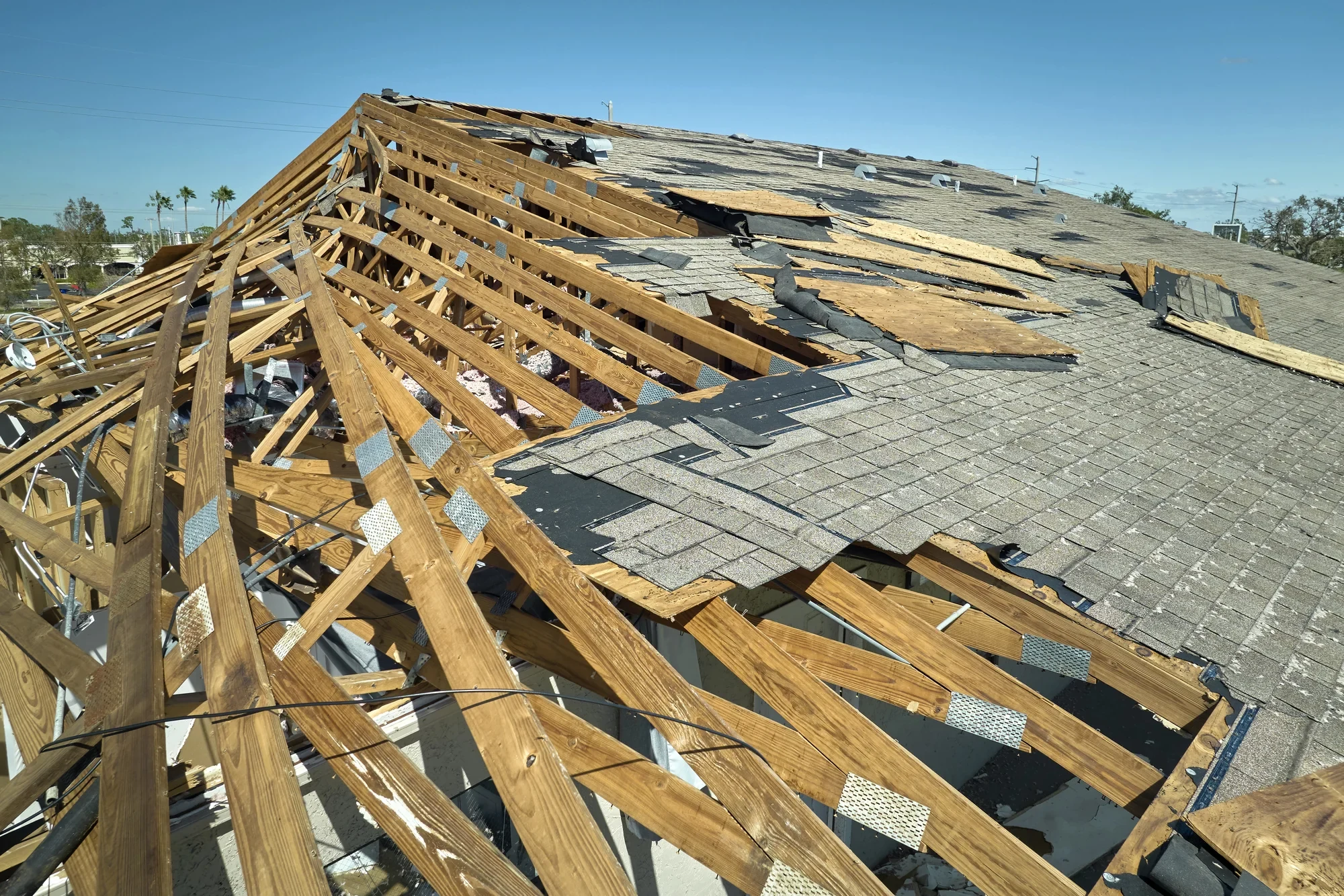
Genesee County gets its share of hail from summer pop-up thunderstorm cells, and the damage those cells leave on a commercial roof is often invisible from the ground. Hail bruises a membrane rather than punching through it in most cases, which means an owner can walk a parking lot after a storm, see no obvious damage, and still be sitting on a roof with soft spots that will fail as active leaks months later. Documenting that kind of damage close to the storm event, before it's visible as a leak, is the difference between a supportable claim and a dispute over causation.
We document hail damage as a roofing contractor, not a public adjuster. We inspect, photograph, and build a scope around what the hail actually did to the specific roof system installed; we don't file the claim or negotiate the payout.
How Hail Damages Different Roof Systems
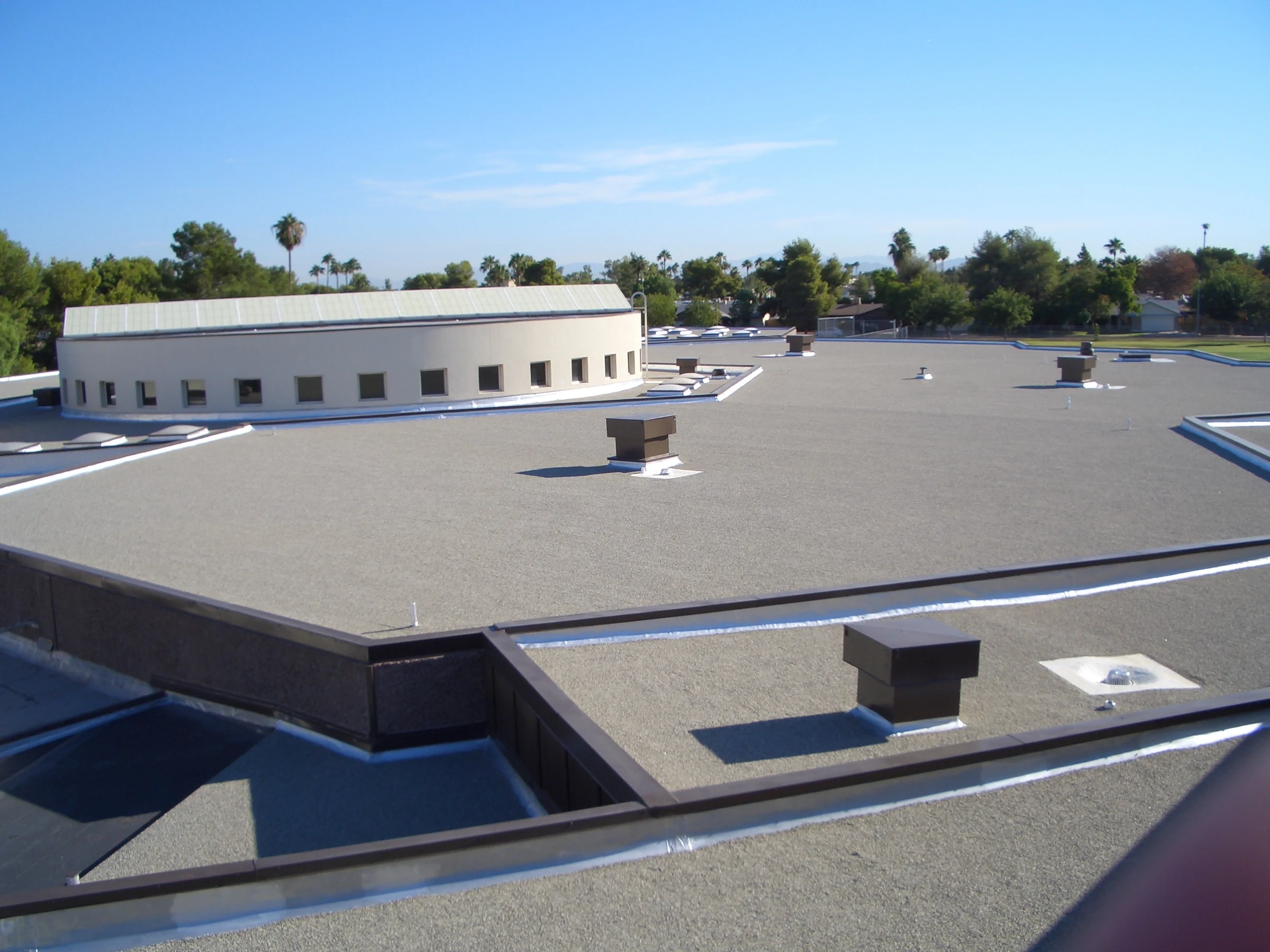
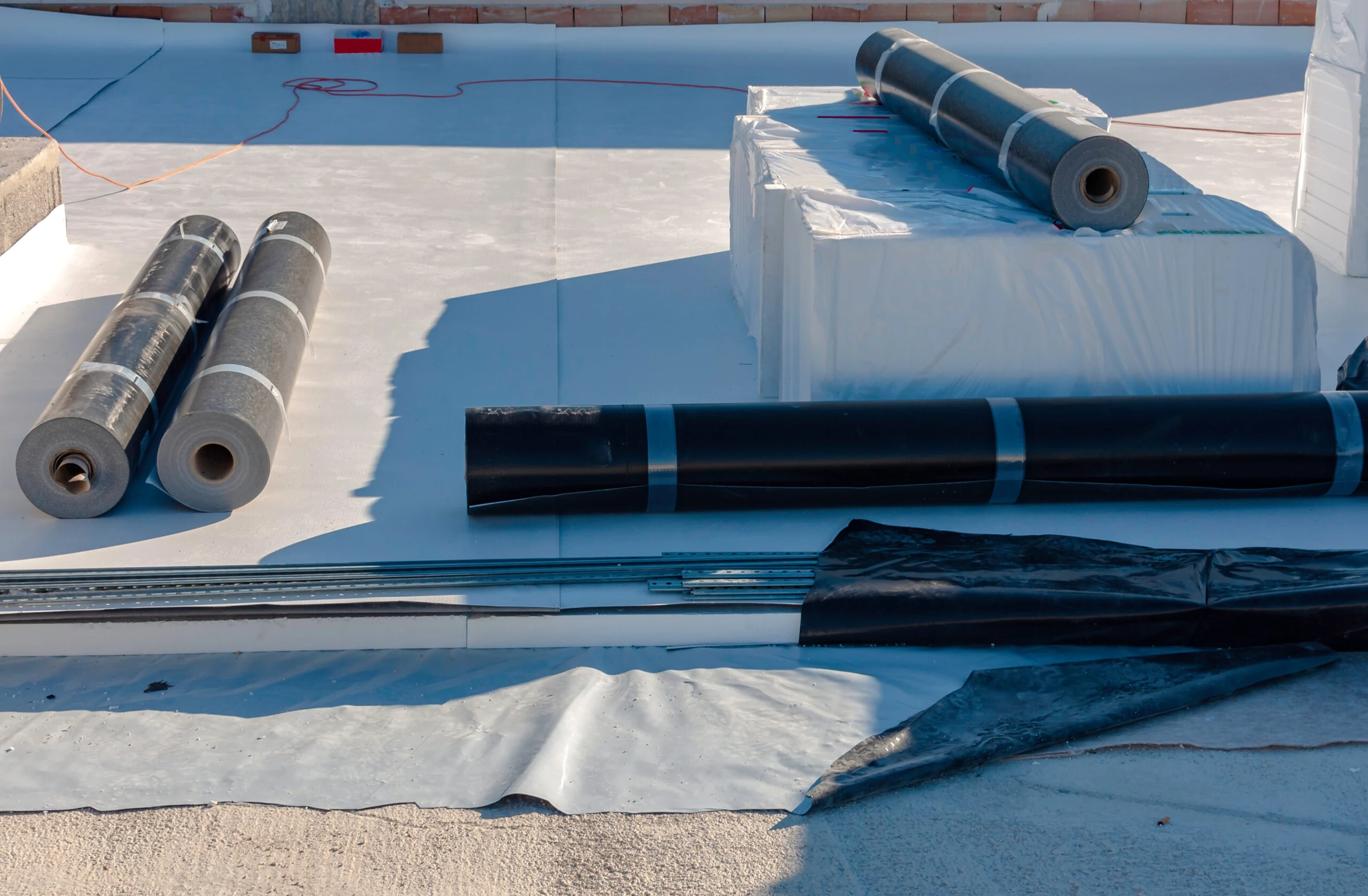
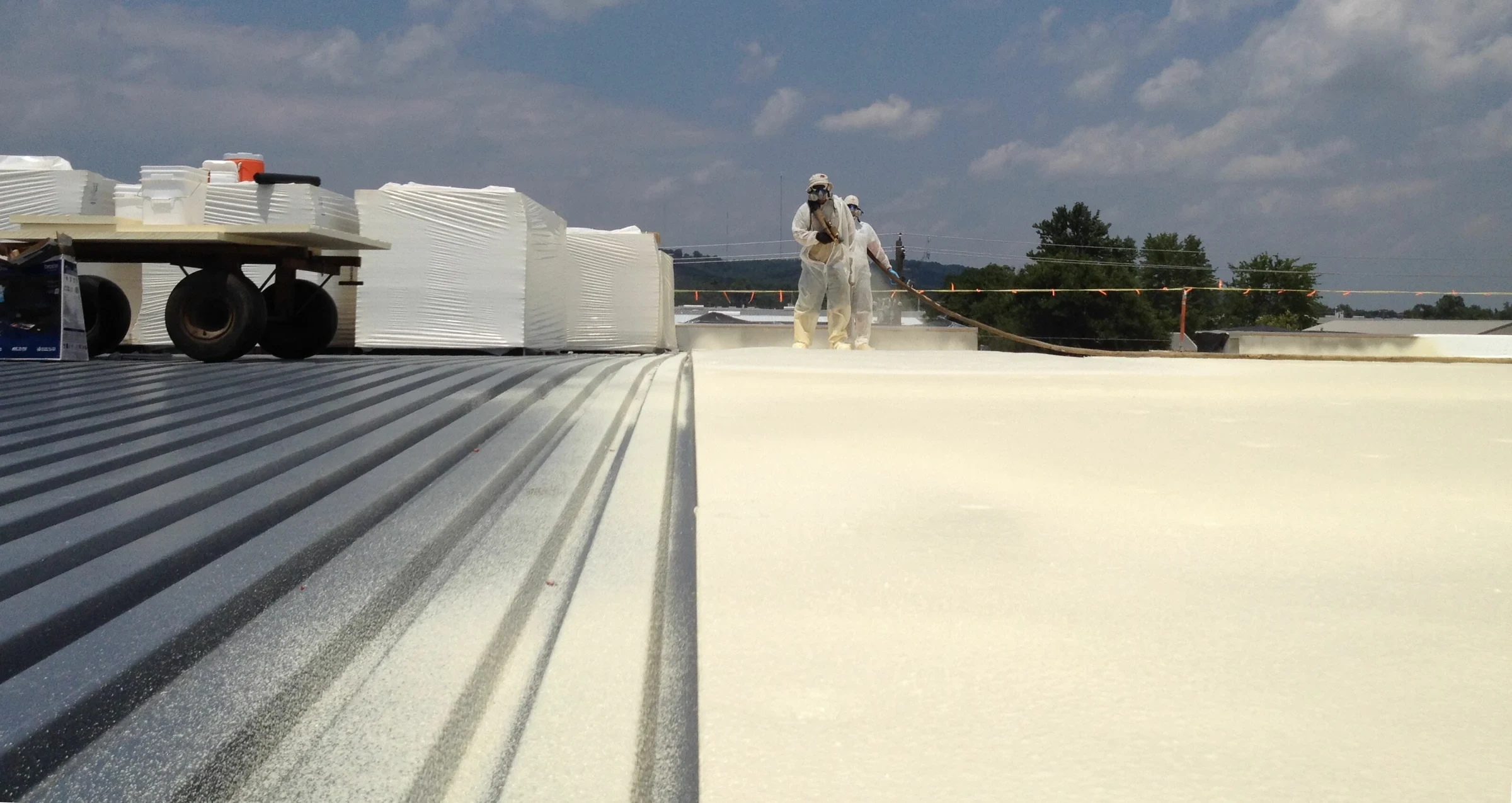
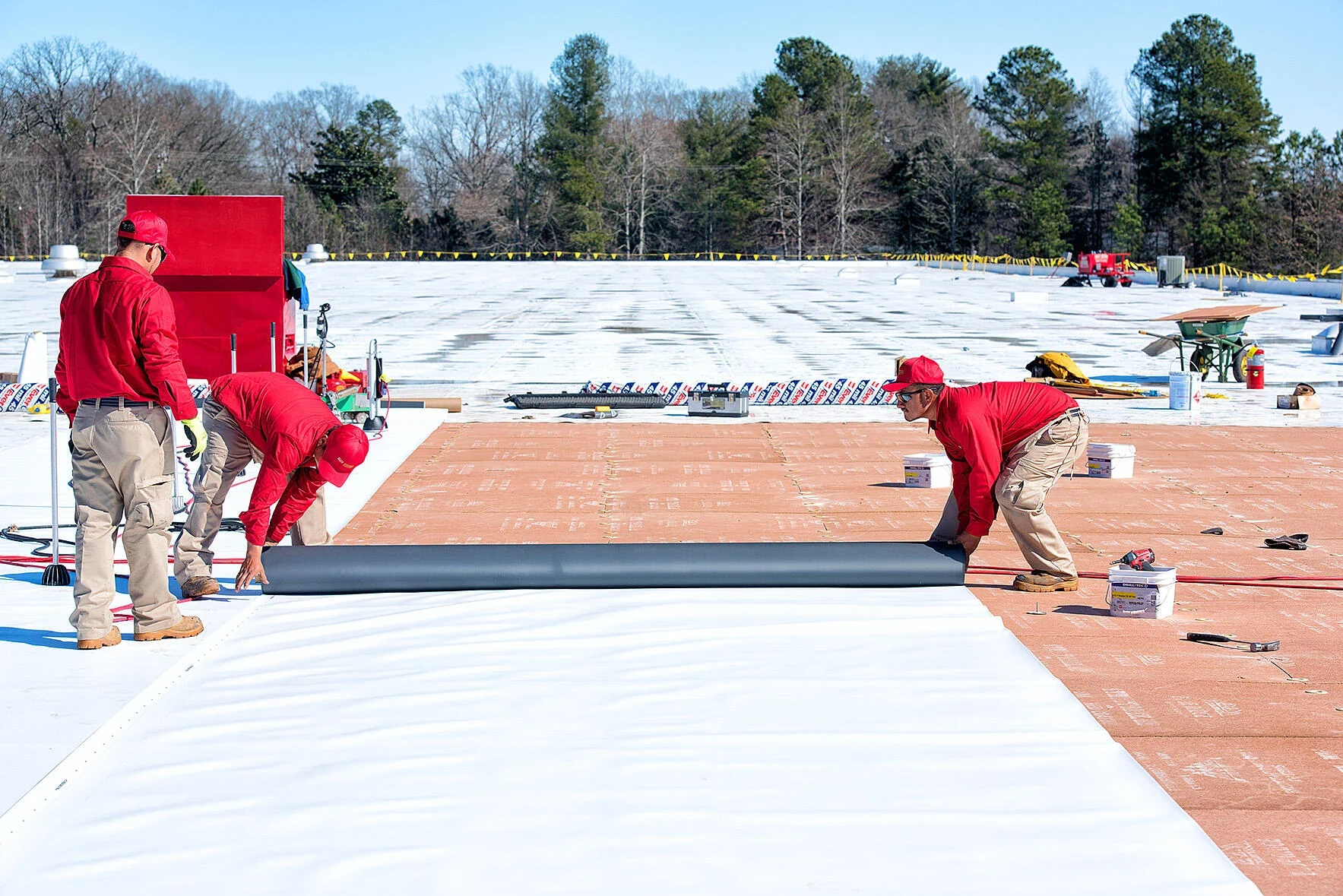
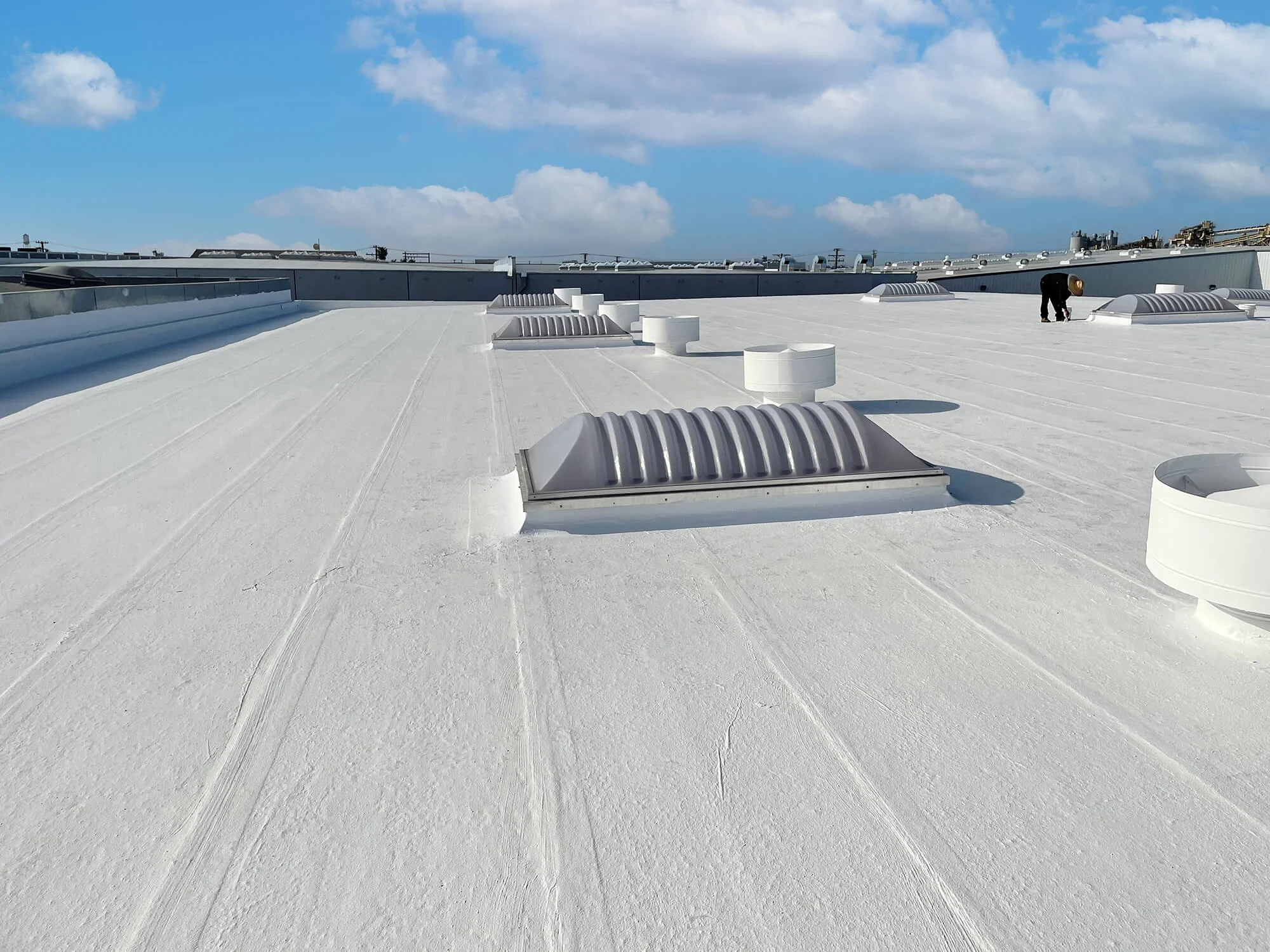
TPO and PVC membranes typically show hail impact as granule displacement or subtle bruising rather than a visible puncture, which is exactly why it goes unreported on so many roofs after a storm passes. Modified bitumen shows granule loss and sometimes mat exposure at the impact point. EPDM tends to show small, hard-to-spot circular indentations that thin the membrane without cracking it immediately, which is often the finding that turns into a leak the following spring once the material has had months of additional stress.
Metal roofing shows hail damage more visibly as denting, but the question that actually matters for a claim isn't the dent itself — it's whether the finish coating cracked at the impact point, since that's what leads to corrosion over time rather than the dent being a structural problem on its own.
Why Pop-Up Cells Create Uneven Damage Patterns
Summer hail in this area tends to come from localized, pop-up thunderstorm cells rather than large regional systems, which means two buildings a few blocks apart can have very different hail exposure from the same afternoon storm. That local variability is part of why we inspect each roof on its own rather than assuming uniform damage across a portfolio just because storms passed through the same general area.
Documenting Damage That Isn't Visibly Leaking Yet
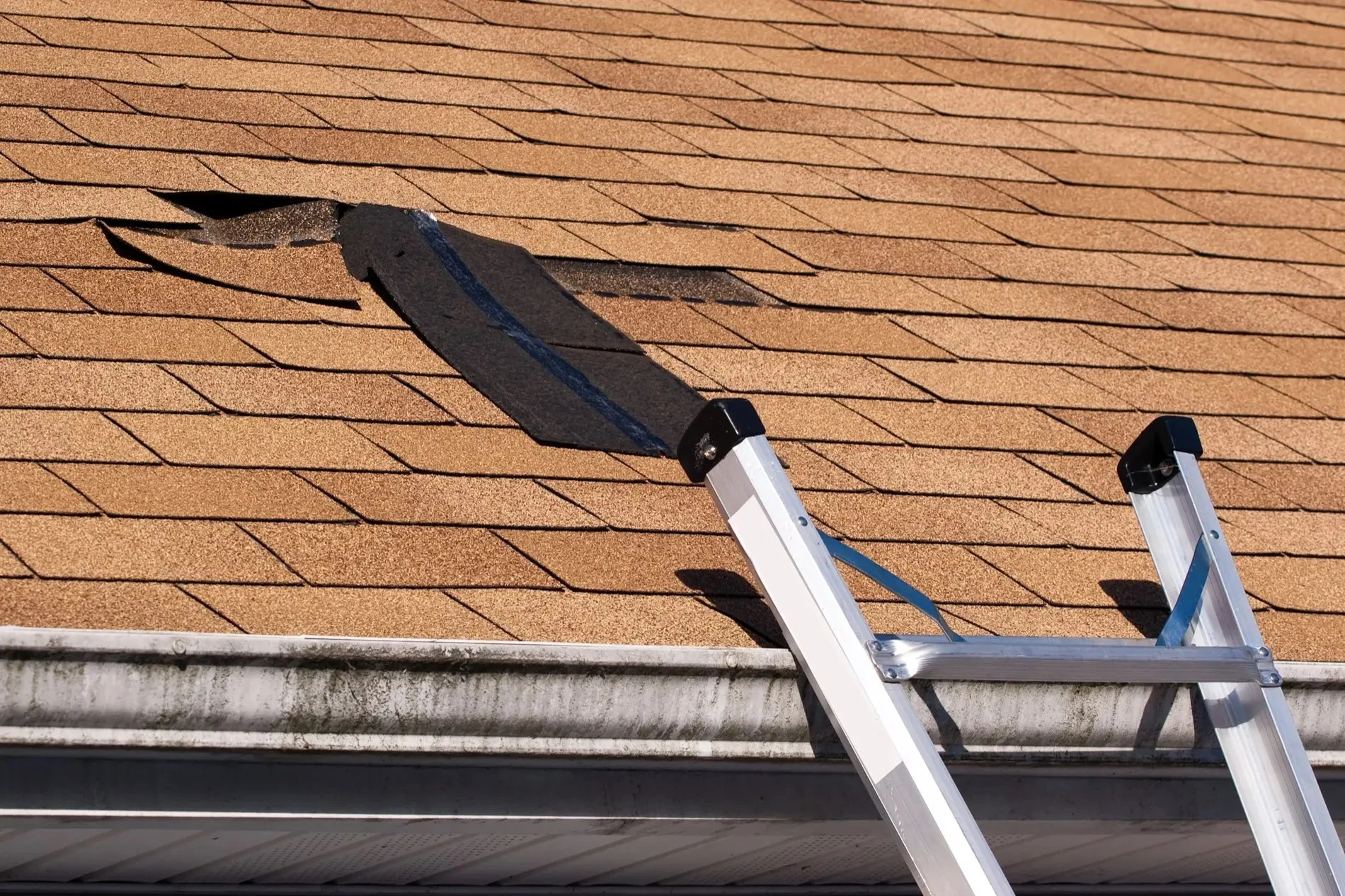
The hardest part of a hail claim is often proving damage exists before it's actively leaking. We mark and photograph every impact point found during an inspection, even ones that look purely cosmetic at the time, because that record is what supports a claim later if a soft spot turns into a confirmed leak. Waiting until water is actively coming through the ceiling to document hail damage usually means losing the ability to tie the failure back to a specific storm event months earlier.
What a Hail Damage Package Includes
- Dated, location-tagged photos of every impact point across the roof field, beyond only the areas an owner flagged
- A roof plan marking impact density and pattern, which helps establish storm consistency
- Membrane or coating-specific findings, since impact evidence looks different on TPO versus metal versus EPDM
- Pre-existing condition notes distinguishing prior wear from new hail impact
- A written scope tied to the documented findings, including any manufacturer guidance on repair versus replacement for the system installed
Meeting the Adjuster on a Hail Claim
Hail claims frequently involve an adjuster who isn't a roofing specialist, so we walk the roof with them and point directly to impact points, explain what granule loss or a finish crack indicates, and reference manufacturer material specs where they're relevant. We keep that walkthrough factual rather than pushing for a particular outcome — the goal is a complete, accurate record of what the hail actually did.
Hail Damage Claim Questions
Can hail damage a roof without leaving a visible dent or hole?
Yes, on most membrane systems hail bruising doesn't look like a dent the way it does on metal or a vehicle. It typically takes a close roof-level inspection to find it.
Does insurance cover hail damage that isn't leaking yet?
It can, if the damage is properly documented and tied to a specific storm event, which is why documenting cosmetic-looking impact points matters even before they become active leaks.
Will you handle my claim for me?
No. We're your roofing contractor, not a public adjuster — we document and substantiate the roof damage so you and your adjuster work from an accurate scope.
How soon after a hailstorm should the roof be inspected?
As soon as it's safe to get on the roof. The gap between the storm and the inspection is one of the first things a disputed hail claim gets challenged on.
Can two nearby buildings have very different hail damage from the same storm?
Yes, because hail-producing cells in this area tend to be localized. That's part of why we inspect each roof individually rather than assuming a uniform pattern across a portfolio.
Related
Ready to review the roof scope?

Let’s Talk About Your Commercial Roof
Share the building, roof history, known leaks or damage, access constraints, and schedule. We’ll start with the roof condition and the facility below it.