
Insurance Documentation Support in Flint, MI
Documentation That Actually Holds Up With an Adjuster
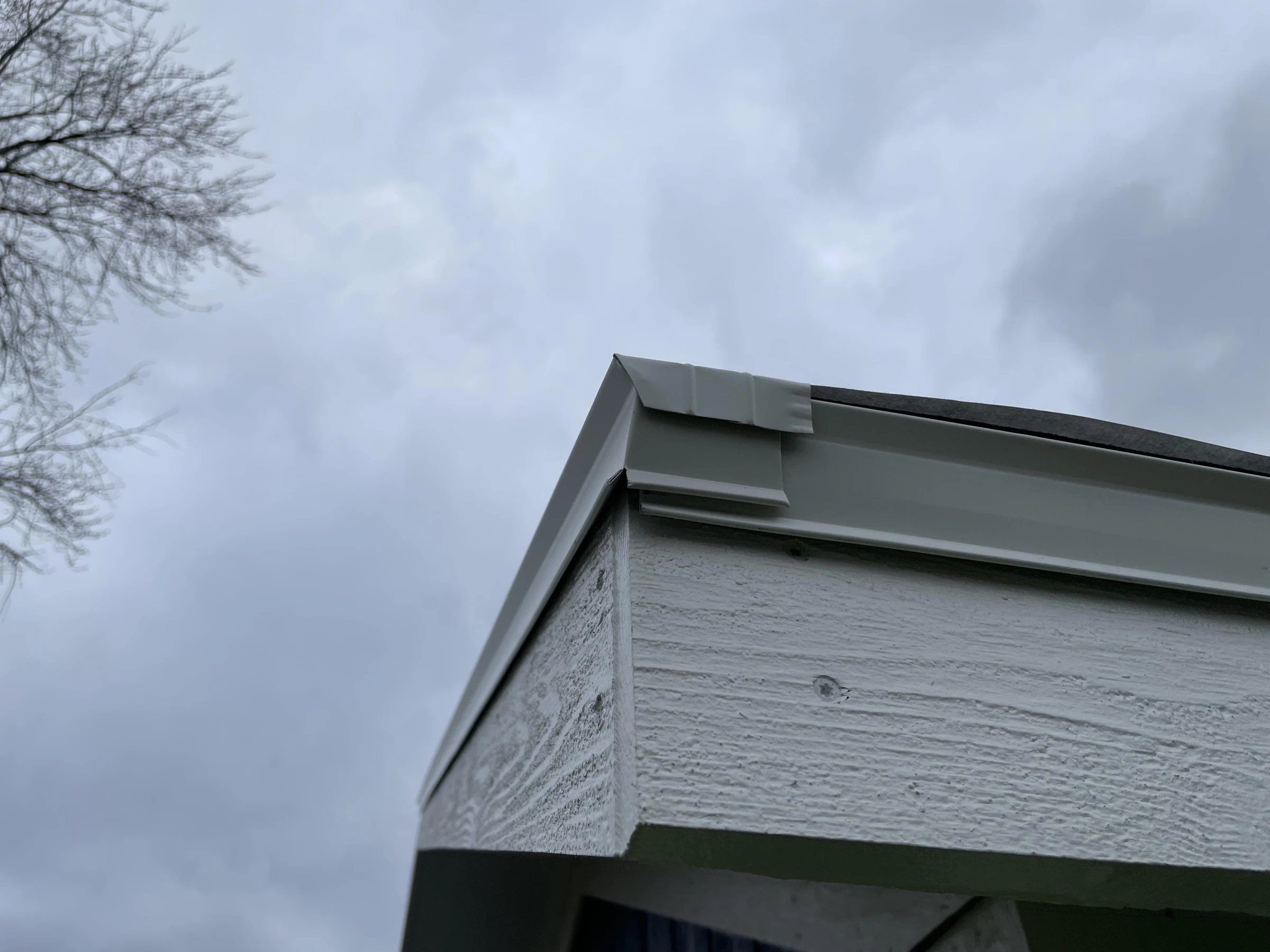
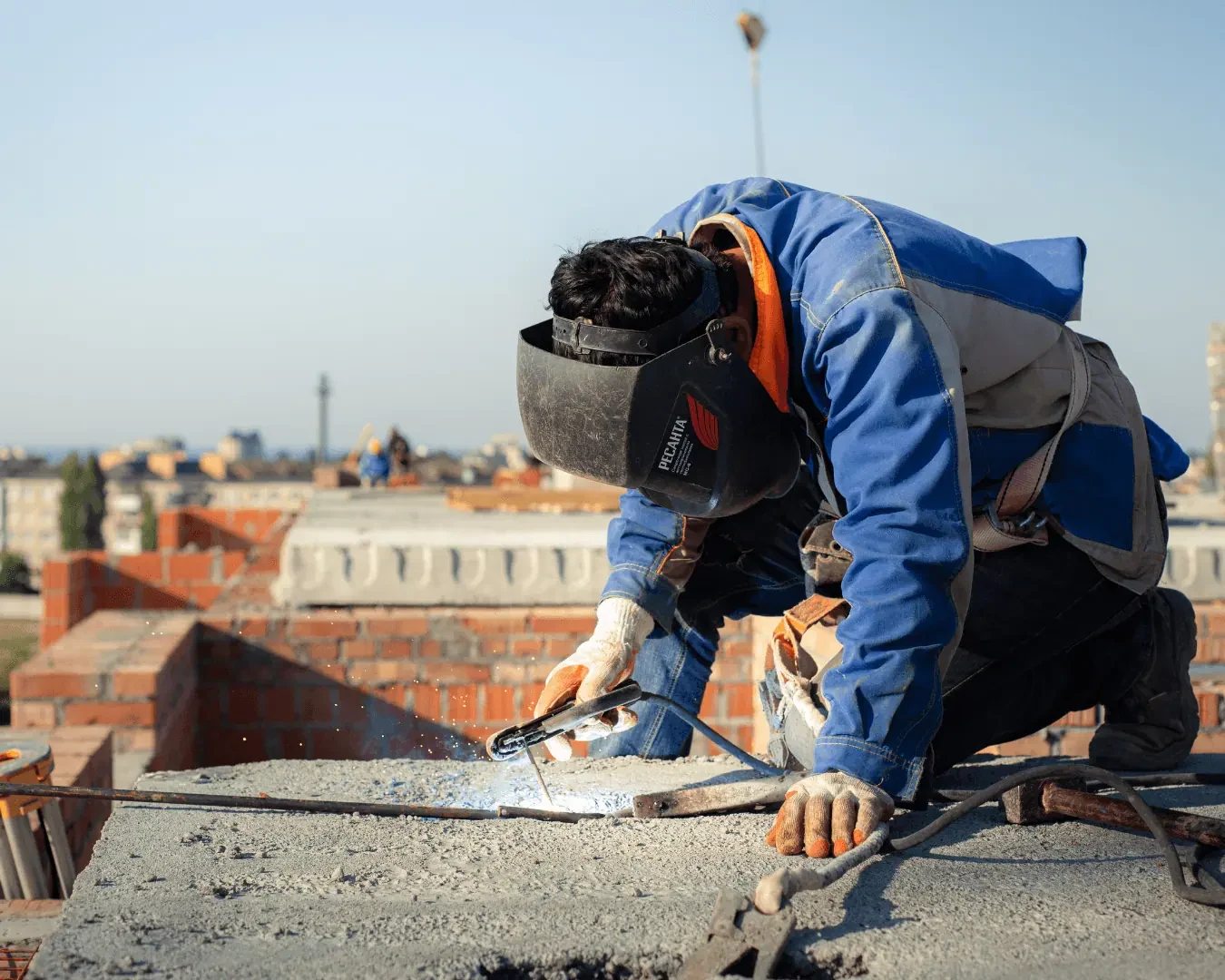
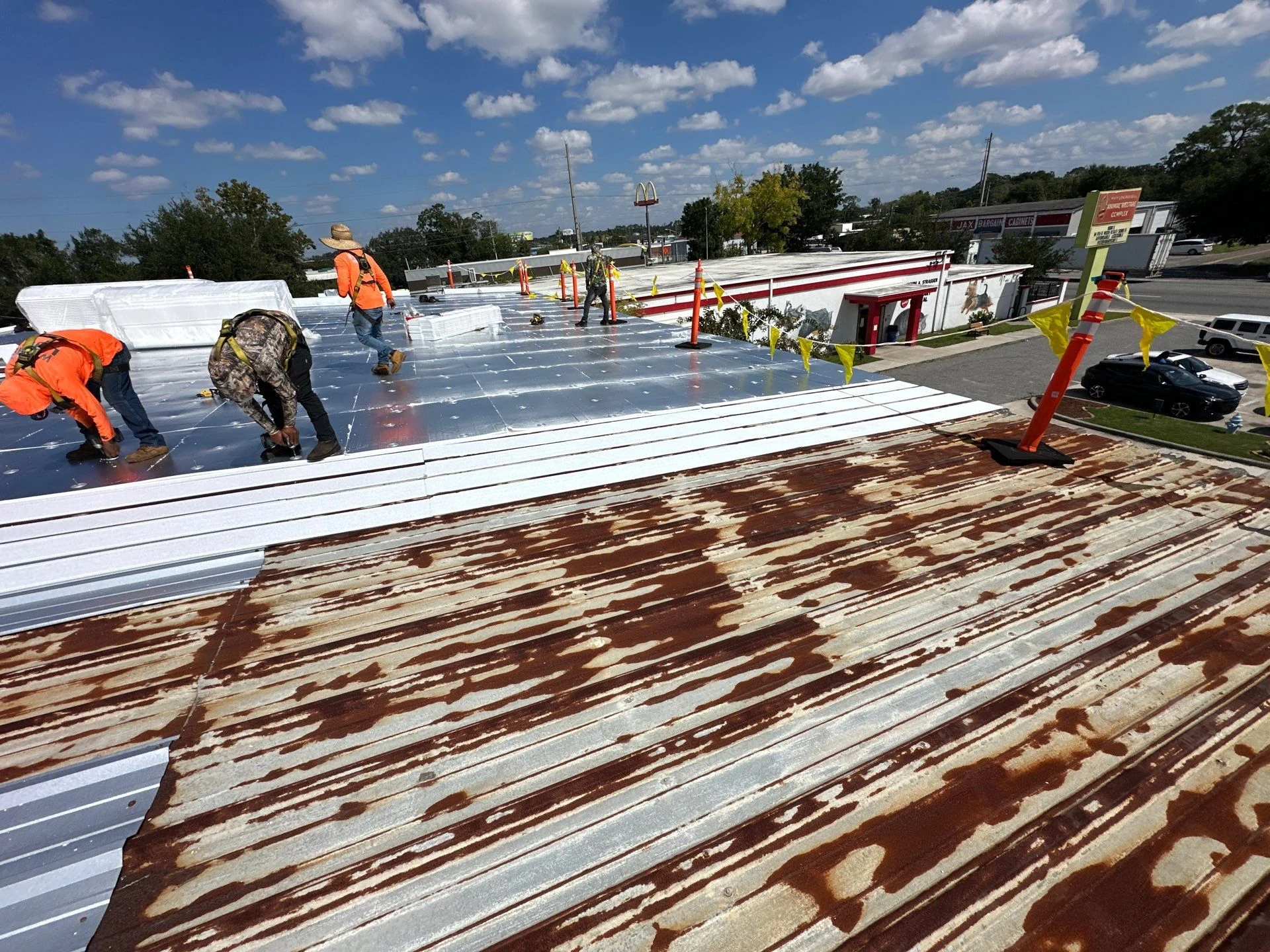
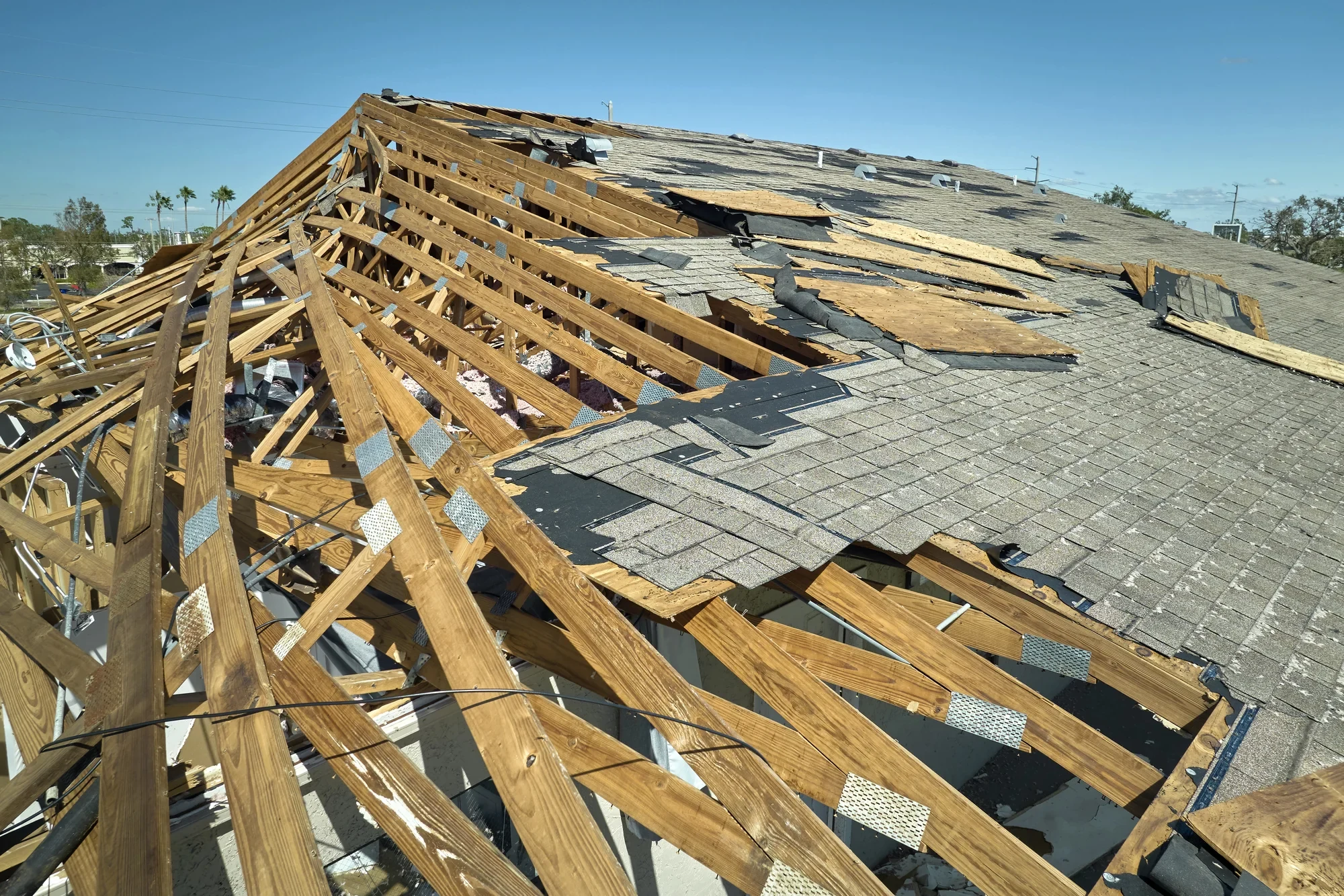
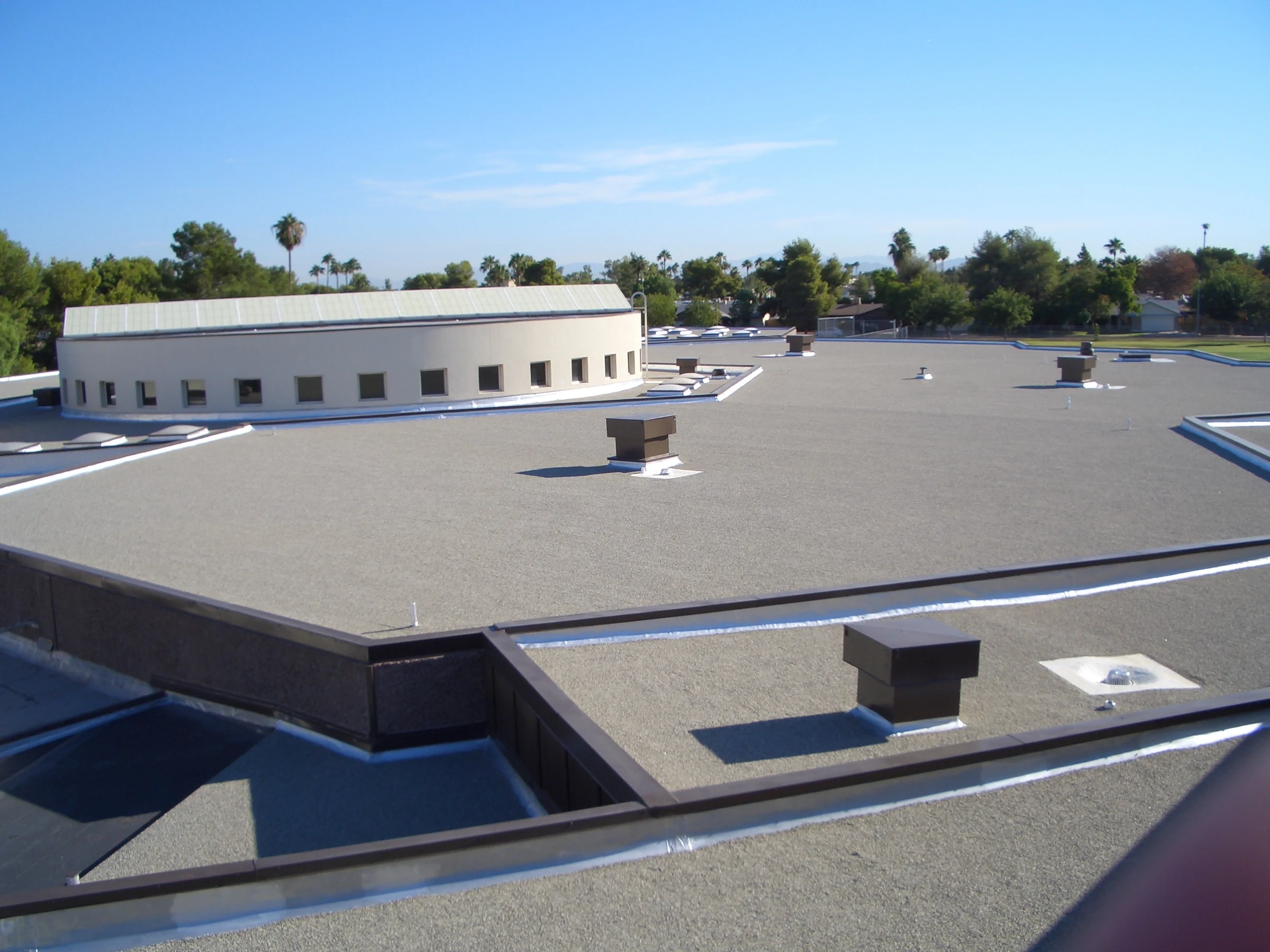
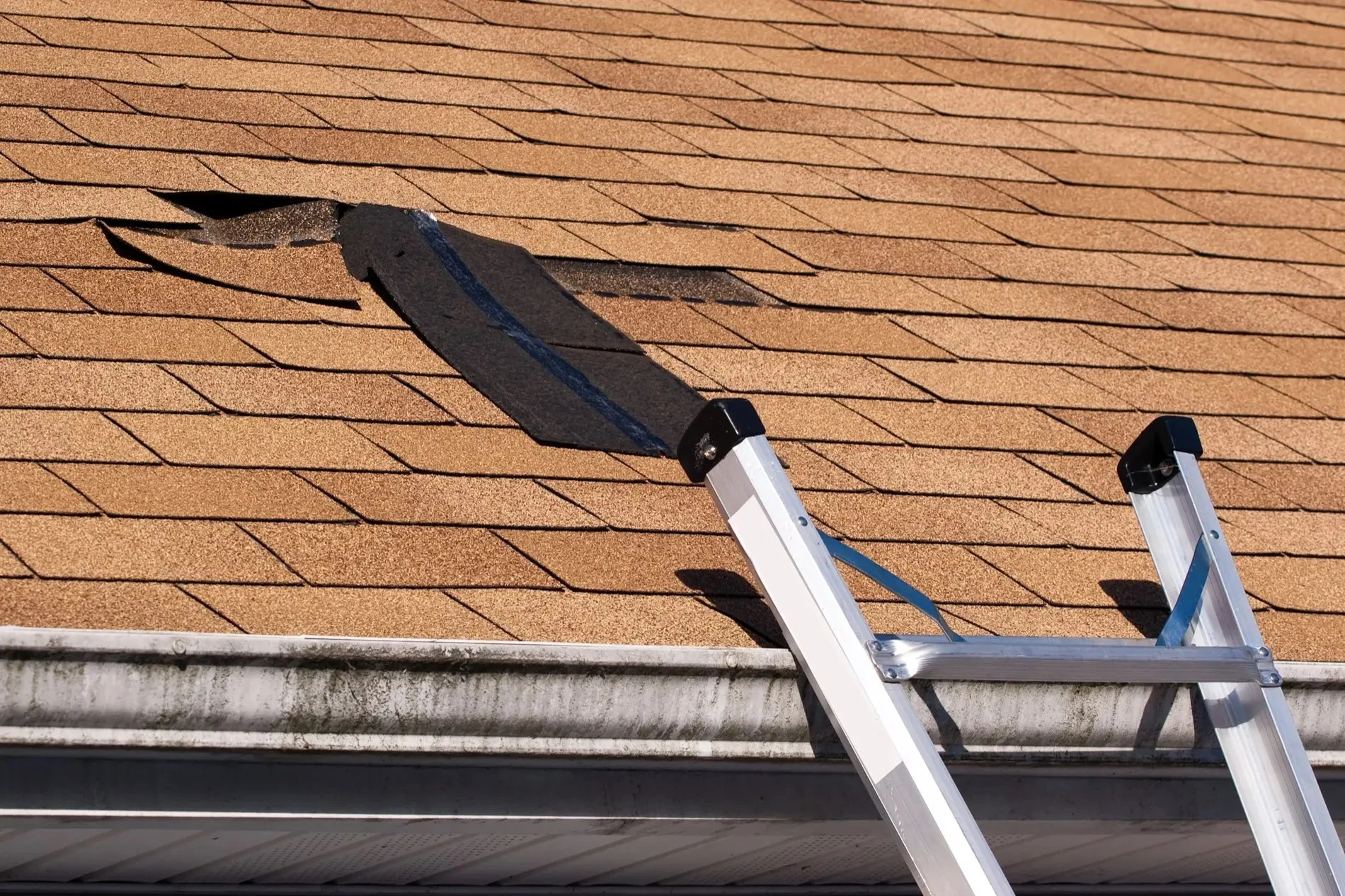
Insurance claims on commercial roofs get decided on documentation, not on how bad the damage looks in person. We build a photo and inspection record at the time damage is found, organized the way an adjuster actually needs to see it, and we're upfront that documentation support isn't the same thing as a promised claim outcome.
For the fuller picture of how we support a claim end to end — from meeting the adjuster on the roof to framing a complete repair scope — see our commercial roof insurance claim assistance page.
What Gets Documented and When
Timing matters as much as thoroughness. We document damage as close to the storm event as possible: dated photos, roof plan location markers, and a written description of what we found and where, because the gap between when damage happens and when it's documented is exactly what an adjuster scrutinizes on a disputed claim.
Pre-existing conditions get documented too, alongside the new damage, since distinguishing storm-caused failure from pre-existing wear is usually the central question in any commercial roof claim. We won't leave that comparison for the adjuster to guess at.
Working Alongside an Adjuster, Not Around One
We're not a public adjuster and we don't represent an owner in negotiating a claim. What we provide is the roofing-specific technical record: what the storm did, how it's consistent, or not, with the reported event, and what repair or replacement scope the damage actually requires.
When an adjuster wants to meet on the roof, we're there to walk the damage with them directly, point to specific findings, and answer technical questions about roofing systems and failure modes that fall outside a general adjuster's usual scope.
We keep our language in these meetings factual and specific — describing what a core sample showed, what a moisture scan mapped, what a manufacturer's own spec says about expected wind resistance for a given system — rather than arguing for a particular claim outcome. That approach tends to hold up better over the life of a claim than a contractor who oversells the damage just to drive a larger scope of work.
The Documentation Package We Build
A complete package pulls together several pieces that individually mean less than they do combined:
- Dated, location-tagged photos of every documented damage point
- A roof plan marking each finding against its physical location
- Pre-loss condition notes where available, from prior inspection or maintenance records
- A written scope estimate tied directly to documented findings, not a generic repair quote
- Manufacturer and material specification references where system-specific damage patterns matter
Owners who've had us on a maintenance contract before a storm tend to have a stronger package, simply because there's a documented pre-loss condition to compare against rather than starting from scratch after the damage.
Why We Don't Promise Claim Outcomes
Whether a claim gets approved, and for how much, is the insurer's decision based on their own policy terms, adjuster judgment, and often their own engineer's review. We've seen well-documented claims still get disputed on causation or scope, and we're not going to tell an owner otherwise just to close a job.
What we control is the quality and completeness of the roofing documentation. Beyond that, our role is providing technical facts an adjuster or owner can act on, not managing the negotiation or predicting where it lands.
How This Ties Into Emergency and Repair Work
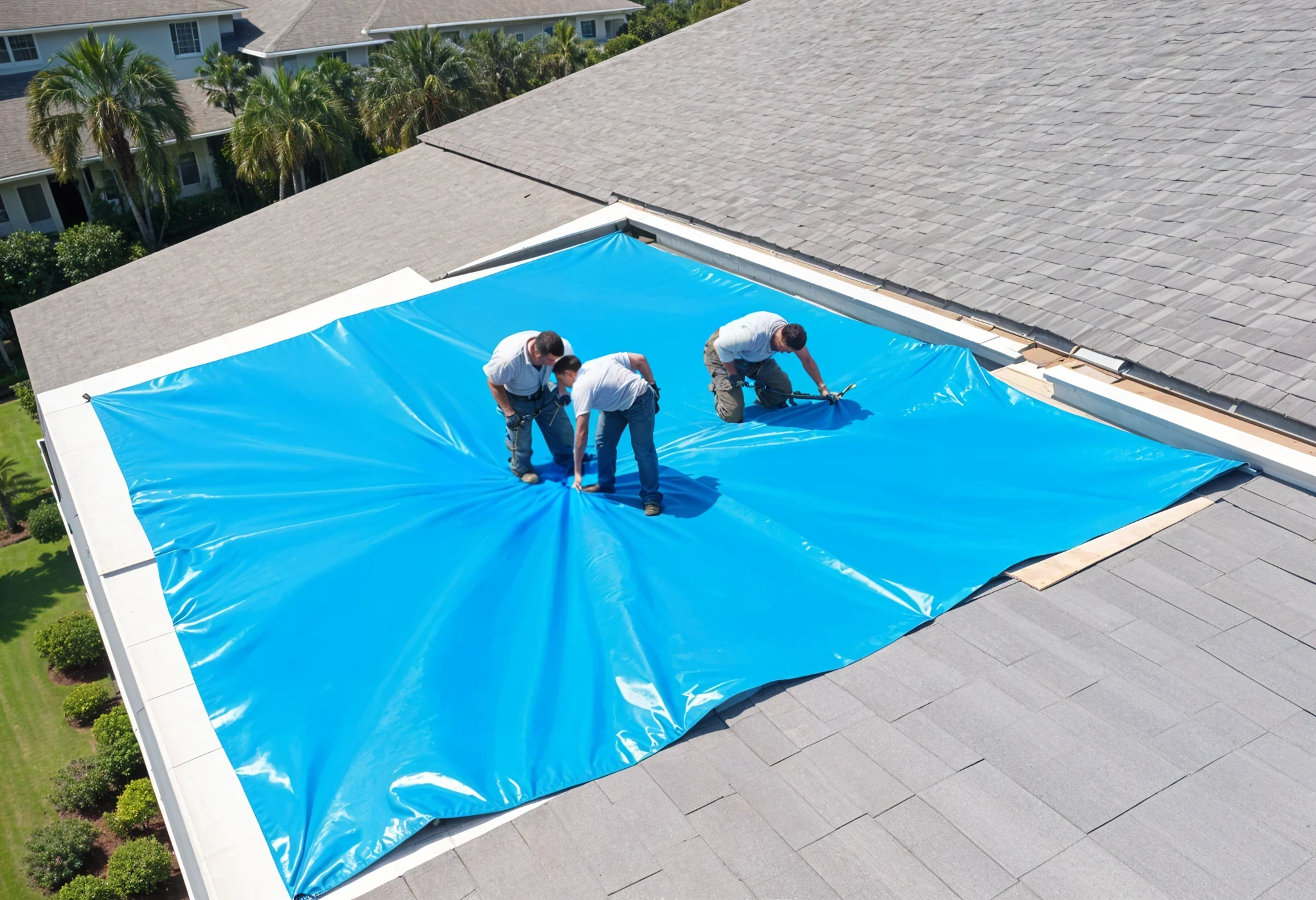
Documentation usually starts the moment we're on site for an emergency response, not as a separate visit scheduled later. Our emergency tarp and dry-in crews photograph damage before and after temporary repairs specifically because that record becomes the foundation of the claim file.
If repair or reroofing work happens before a claim is fully resolved, which is sometimes necessary to protect the building, we keep documenting throughout so the completed work record matches what was originally filed rather than leaving a gap an adjuster can question later.
Documentation for Multi-Building Portfolios
Property management firms and manufacturing operators with several buildings around Genesee County often deal with more than one damaged roof after a single regional storm event. We document each building separately with its own dated record, even when the storm and the general damage pattern are similar across sites, since insurers evaluate claims building by building regardless of how the properties are grouped under one ownership.
Having prior inspection or maintenance history on file for a property speeds this process considerably, since it gives us a documented baseline for every building in a portfolio rather than starting the pre-loss condition question from zero on each one after a storm.
Insurance Documentation Questions Owners Ask
Will you guarantee my claim gets approved?
No, and we won't tell you otherwise. We build the strongest documentation record we can; the approval decision belongs to the insurer.
Do you deal directly with my insurance adjuster?
We'll meet an adjuster on site and answer roofing-specific questions, but we're not a public adjuster and don't negotiate the claim on an owner's behalf.
How soon after storm damage should documentation start?
As soon as possible. The gap between damage occurring and documentation happening is one of the first things a disputed claim scrutinizes.
Does having a maintenance contract help with a claim?
It can, because it establishes documented pre-loss condition to compare against post-storm findings, which strengthens the causation argument.
What if the adjuster's assessment disagrees with your findings?
That happens sometimes. We'll stand behind our documented findings and technical read, but resolving a disagreement between assessments is between the owner and the insurer, not something we can settle unilaterally.
Related
Ready to review the roof scope?
Let’s Talk About Your Commercial Roof
Share the building, roof history, known leaks or damage, access constraints, and schedule. We’ll start with the roof condition and the facility below it.