
Built-Up Roofing (BUR) in Flint, MI
Tar and Gravel Roofs on Flint's Oldest Commercial Buildings
Built-up roofing is the system we find most often on the oldest layer of Flint's commercial stock — former GM manufacturing buildings, downtown office structures, and older institutional buildings that have never been reroofed with anything newer. A lot of it is original or close to it, decades old, and still functioning at some level, which puts most BUR work in the repair-and-assessment category rather than routine maintenance.
Why So Much BUR Is Still Up There
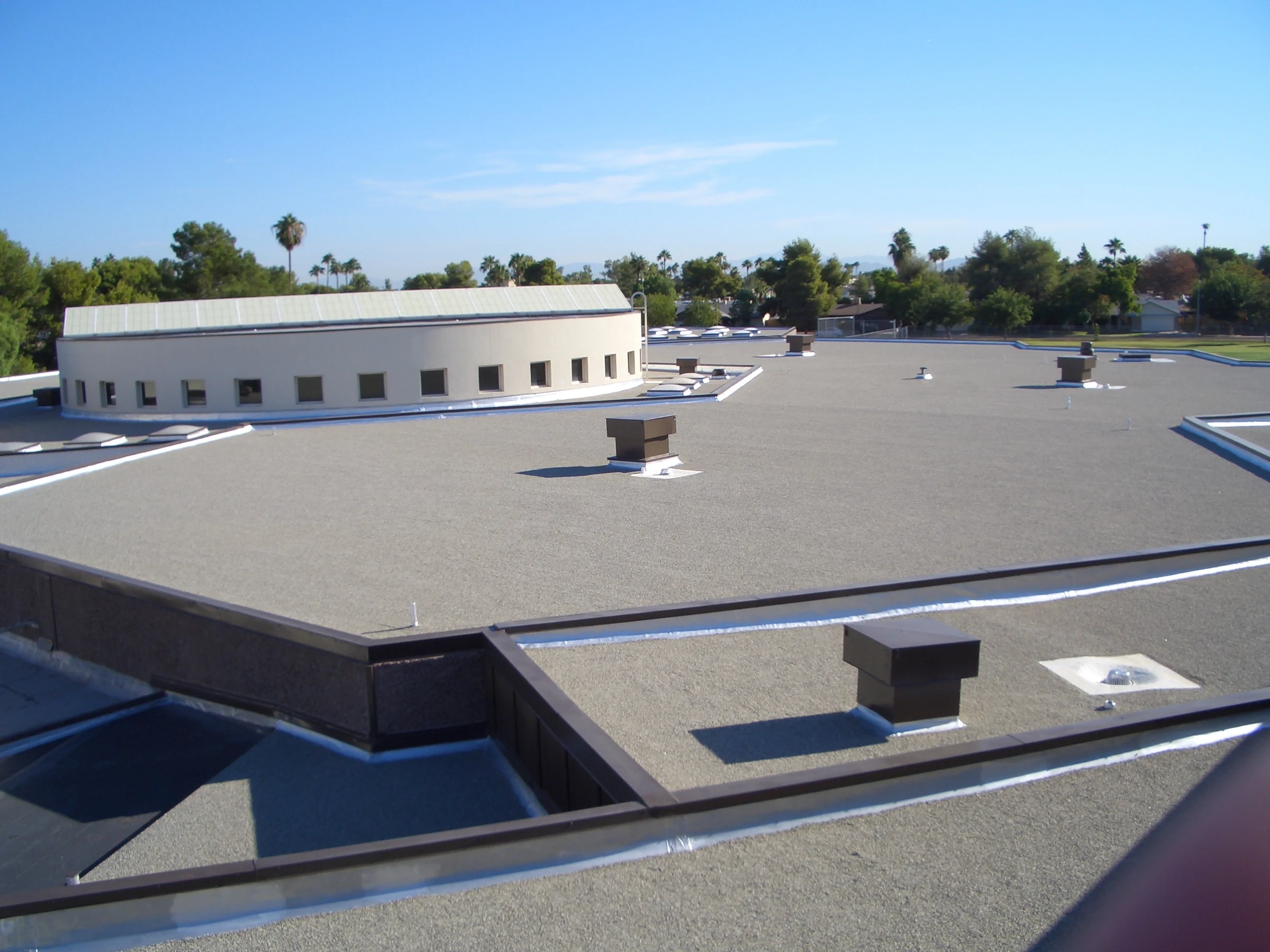
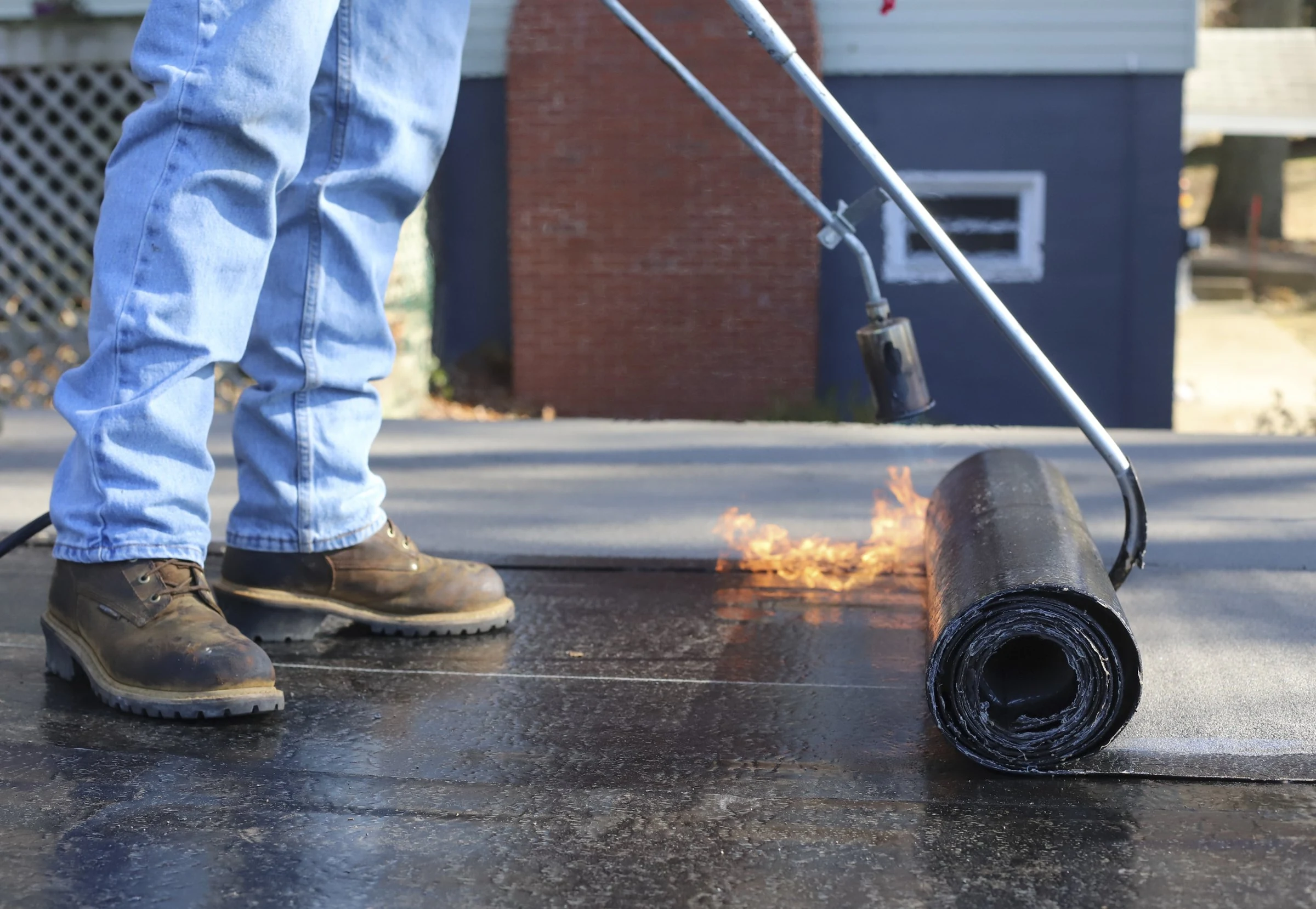
Built-up roofs were the standard system for large low-slope commercial and industrial buildings for most of the twentieth century, and Genesee County's manufacturing boom decades put a lot of BUR on a lot of roofs. Multiple plies of asphalt-saturated felt, alternating with hot asphalt and finished with a gravel or mineral cap, made for a heavy, redundant system that could genuinely last generations with maintenance. That's exactly why so much of it is still in service on former plant buildings and downtown structures that have gone through several ownership changes without a full reroof.
The tradeoff is that a lot of this roofing is well past any manufacturer's rated life, and the buildings underneath it have often changed use since the roof went on. A BUR system installed to shed weather over a manufacturing floor decades ago is now protecting warehouse inventory, office tenants, or leased flex space, and the roof's actual condition — not its age on paper — determines whether it's still doing that job adequately.
Reading an Aging Gravel-Surfaced Roof
Gravel ballast on a BUR system does real work — it shields the asphalt plies from UV exposure and adds weight that helps resist wind uplift. But gravel migration is common on older roofs, especially around drains and at roof edges where wind scours it away over years, and once the asphalt underneath is exposed it degrades much faster. We map gravel coverage across the full roof on inspection instead of checking a few sample spots, because thin or bare patches are often where the next leak develops, not necessarily where the current one is.
Michigan's snow load adds another consideration specific to BUR. A heavy wet snow event sitting on a gravel-surfaced roof for days puts sustained weight on a structure that, on some of these older buildings, wasn't necessarily designed with today's load codes in mind. We factor structural condition into any BUR assessment alongside membrane condition, particularly on buildings where we can see prior roof sagging or deck deflection.
Freeze-Thaw and Multi-Ply Redundancy
The layered-felt design of BUR gives it real redundancy against freeze-thaw damage — a crack in the top ply doesn't automatically mean water reaches the deck if the plies underneath are still sound. That's part of why some of these roofs have lasted as long as they have despite decades of Michigan winters. But once water does get past the top layers, it tends to travel laterally between plies before finding its way through, which means a leak showing up inside a building may originate several feet away from where the moisture actually entered the roof. Tracing that path correctly, rather than patching where the ceiling stain appears, is most of the skill in diagnosing an old BUR leak.
What We Assess on a Built-Up Roof
- Gravel coverage and asphalt exposure across the full roof area
- Blistering and ridging in the felt plies, a sign of trapped moisture
- Structural deck condition, especially on buildings with visible sagging
- Flashing condition at parapets and roof edges
- Drain function and ponding patterns after recent rain or snowmelt
- Whether the roof is a repair candidate, recover candidate, or needs full tear-off
When BUR Still Makes Sense as a Recover or Replacement Choice
Not every old BUR roof needs to become a single-ply system. On some buildings, particularly ones where heavy foot traffic or rooftop storage is routine, a new built-up or modified bitumen system offers durability that lighter membranes don't match. On others, especially converted plant buildings now serving as warehouse space, a switch to TPO or a recover system makes more sense for the building's current use. We base that recommendation on the specific building and its structural condition, not a default preference either direction.
Built-Up Roofing Questions From Genesee County Owners
How do I know if my roof is still true built-up or was replaced with modified bitumen at some point?
We identify the system during inspection by checking ply construction and surfacing. A lot of buildings in this area have had a modified bitumen cap installed over an original BUR base at some point, which changes how we approach repairs.
Is a 40-year-old BUR roof automatically due for replacement?
Not automatically. Age matters less than actual condition — ply integrity, moisture content, and structural soundness. Some 40-year roofs with good maintenance history are still sound; some 15-year roofs with neglected drainage are not.
Why did my leak show up inside far from where the roof damage actually is?
Water travels laterally between BUR plies before penetrating fully, so the interior leak location and the roof-level entry point are often several feet apart. Proper diagnosis usually requires opening up the roof at the suspected entry area, rather than patching only where the ceiling stain appears.
Can gravel loss alone cause a roof to fail?
Not directly, but exposed asphalt without gravel protection degrades much faster under UV exposure, which shortens the roof's remaining life significantly if left unaddressed.
What replaces a BUR roof that's reached the end of its life?
It depends on the building's current use and structural capacity. We commonly recommend TPO for converted warehouse space, modified bitumen where multi-ply redundancy is still valued, or a new BUR system on buildings with heavy rooftop traffic.
Related
Ready to review the roof scope?
Let’s Talk About Your Commercial Roof
Share the building, roof history, known leaks or damage, access constraints, and schedule. We’ll start with the roof condition and the facility below it.