
Roof Recover and Overlay Systems in Flint, MI
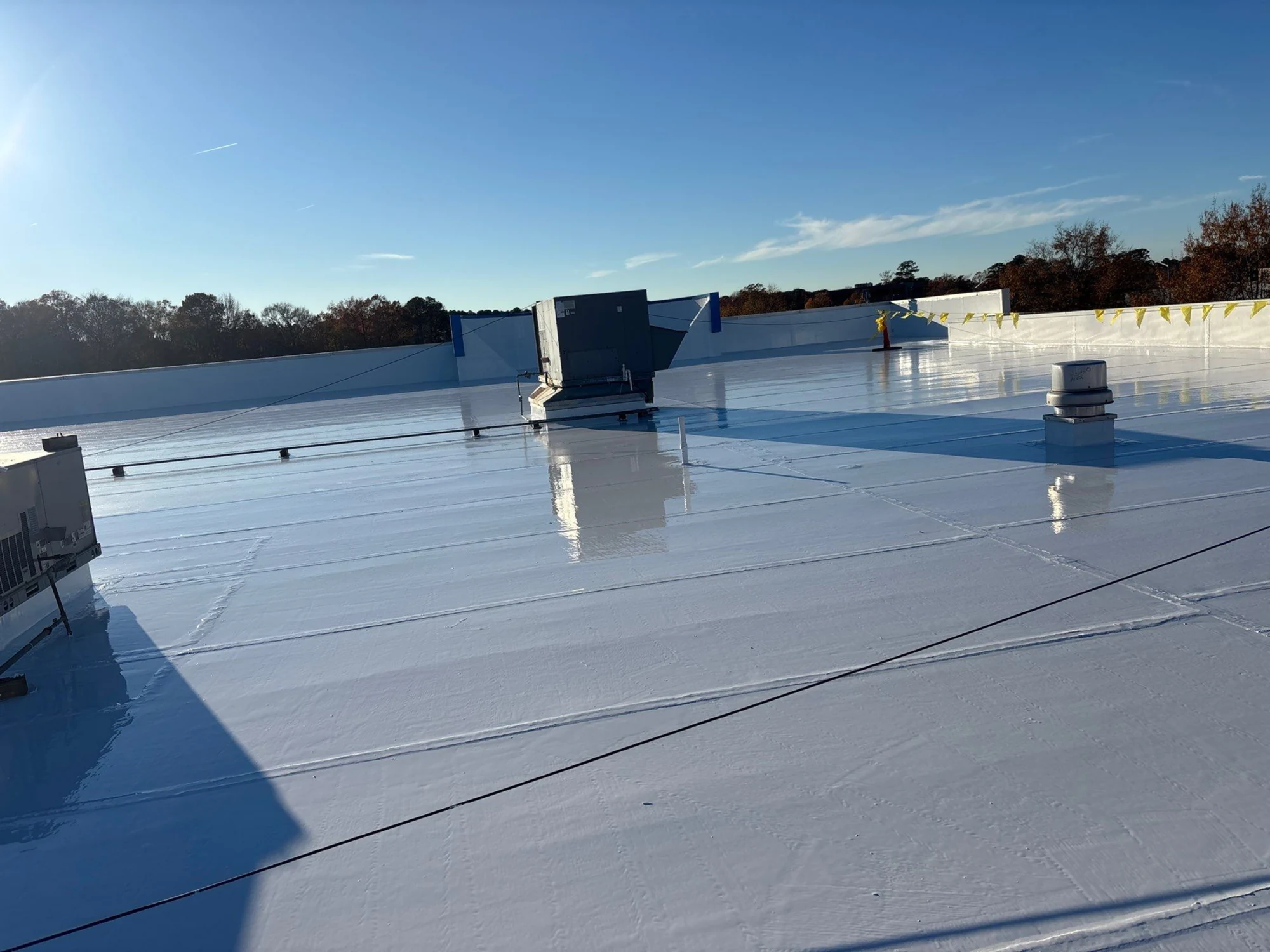
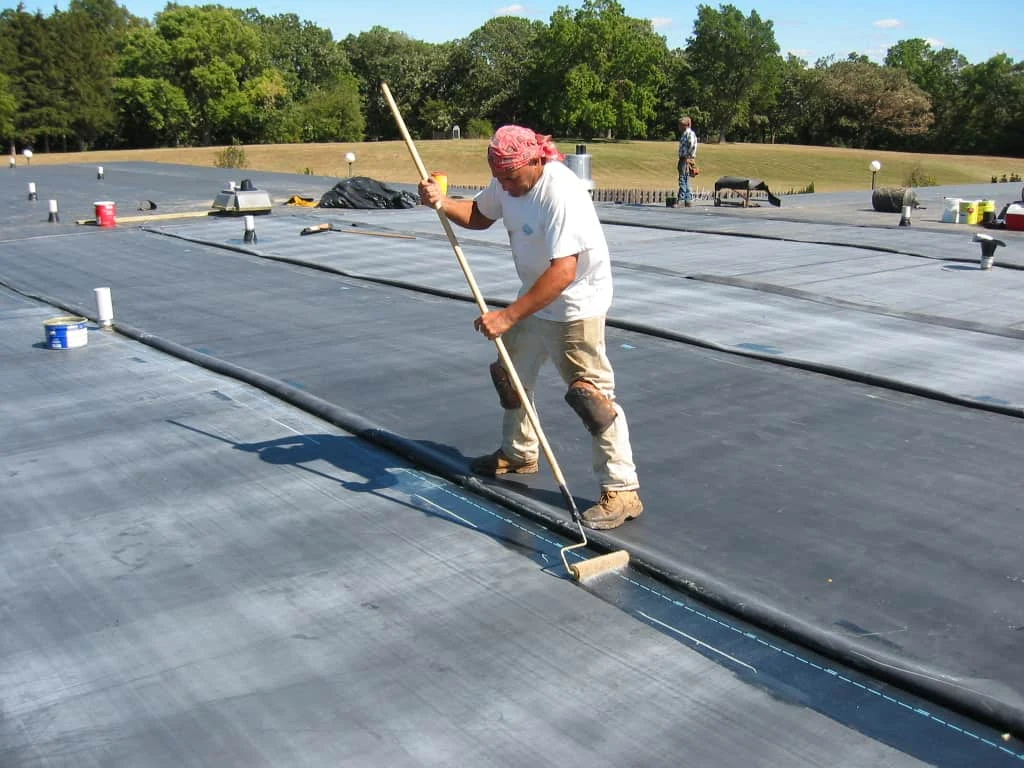
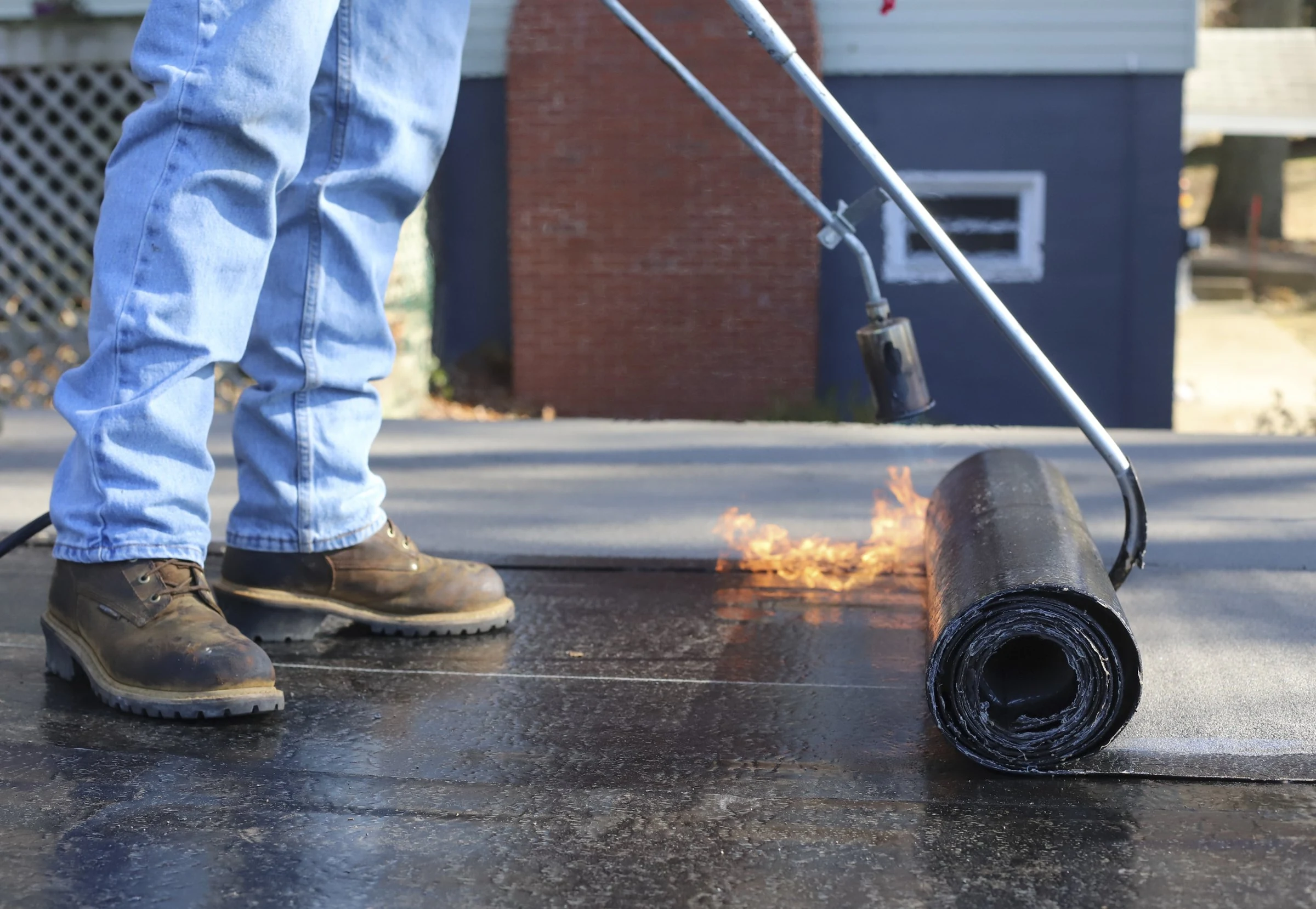
Recover Roofing for Buildings Between Repair and Full Tear-Off
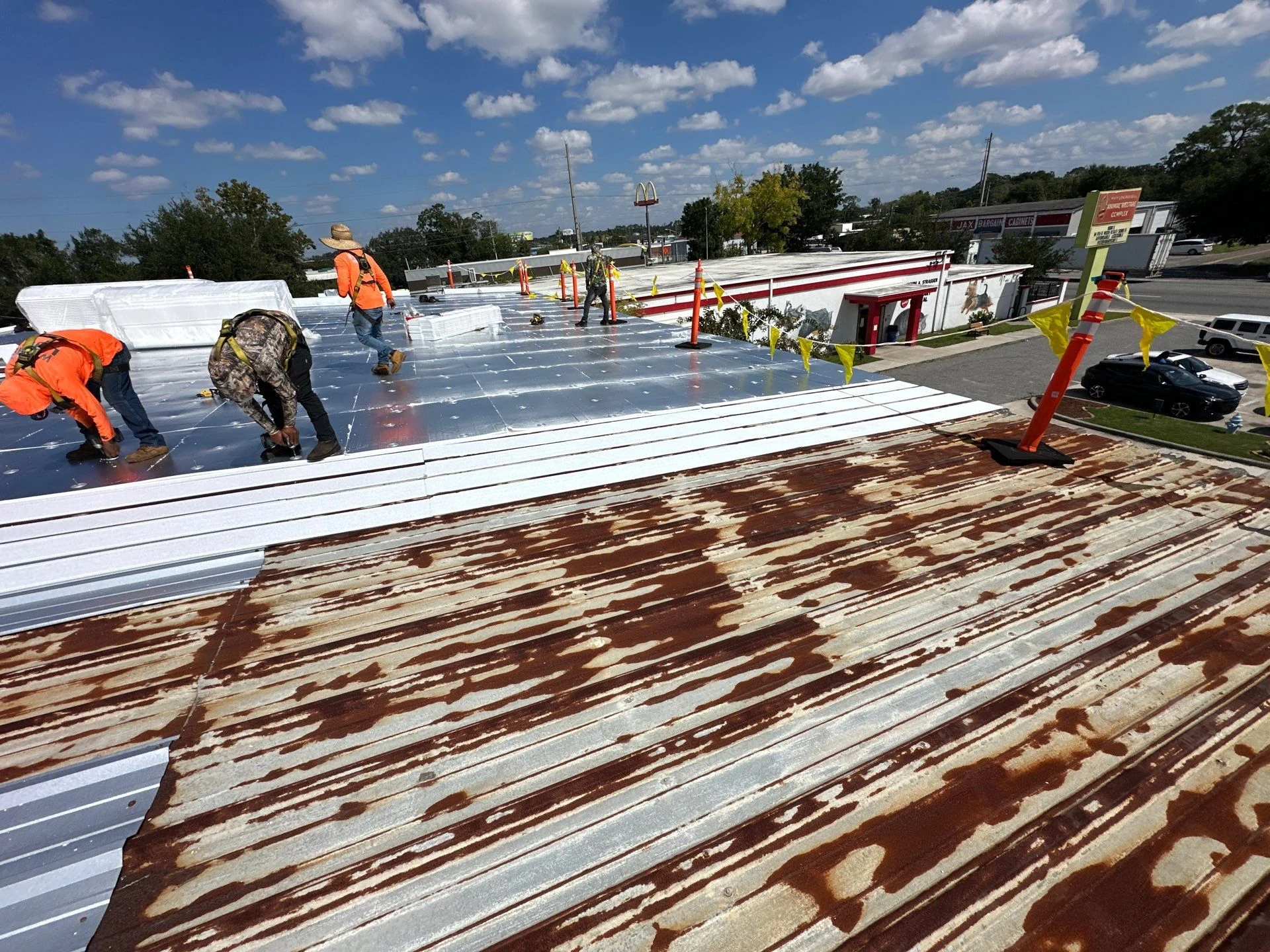
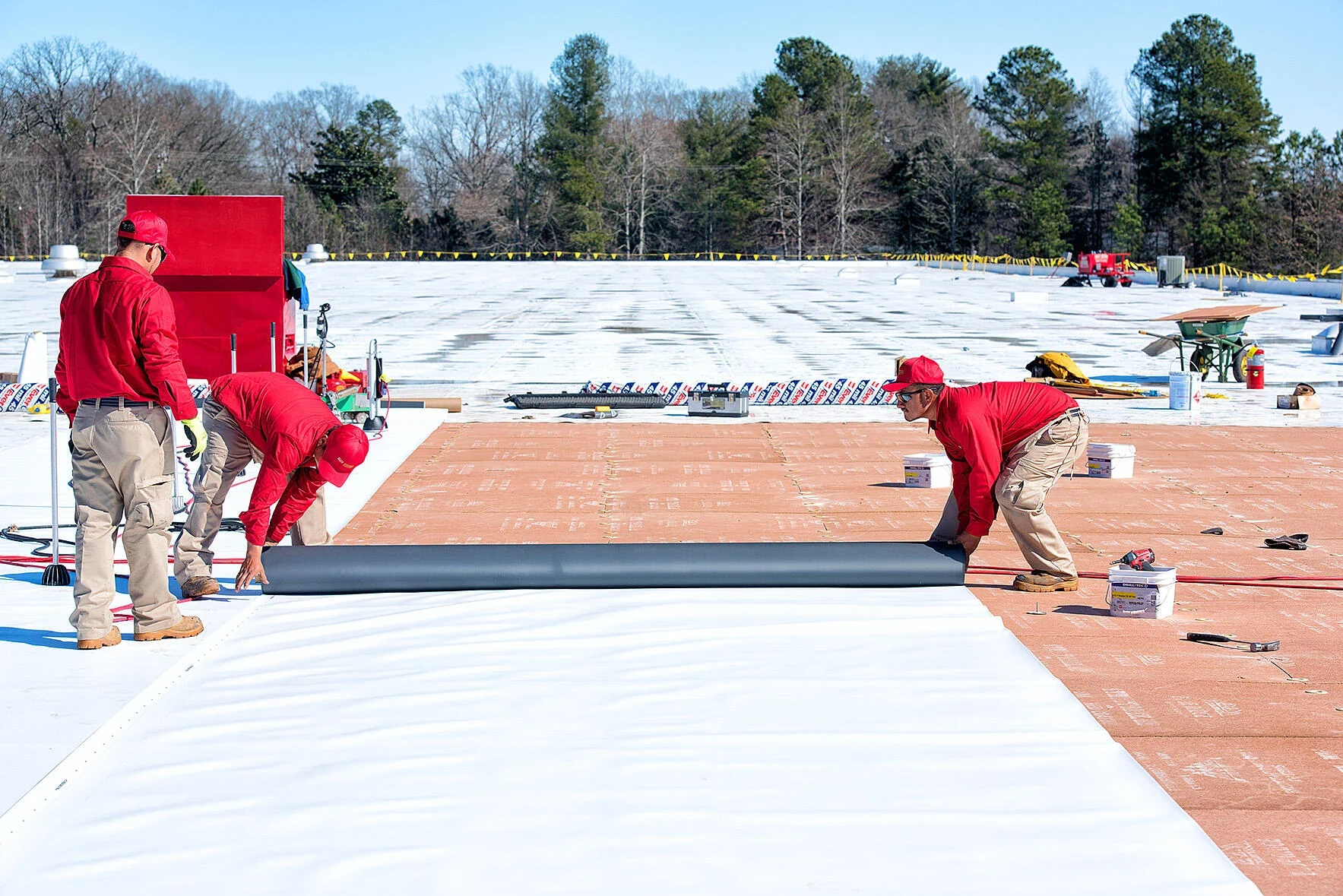
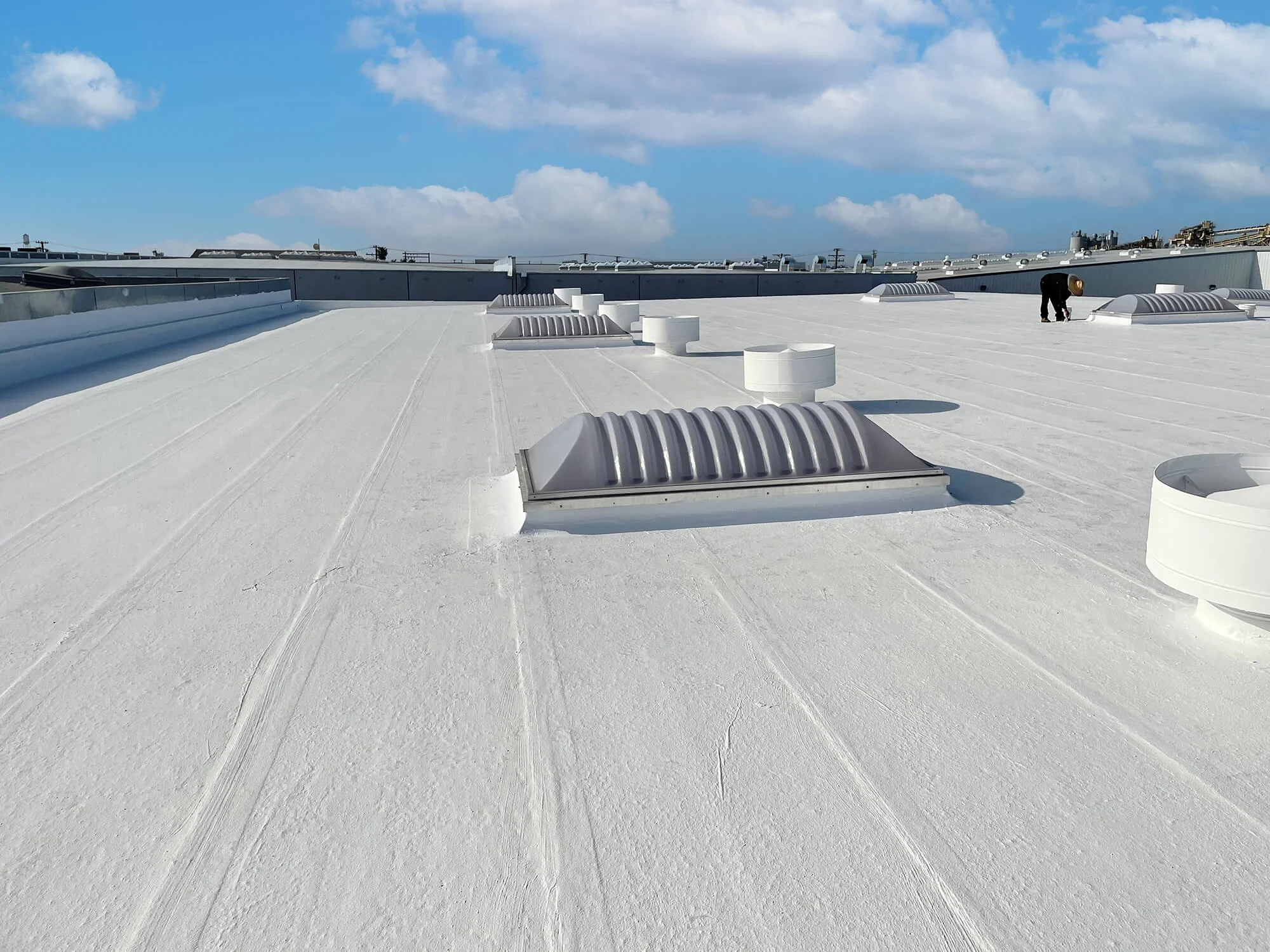
Recover work — installing a new membrane system over an existing roof rather than tearing the old one off first — is one of the most common conversations we have on Flint's older commercial buildings. It sits between coating an aging roof and fully replacing it, and for a lot of the converted plant buildings, aging retail strips, and institutional roofs across Genesee County, it's the option that actually matches the building's budget and condition.
Why Recover Makes Sense on This Building Stock
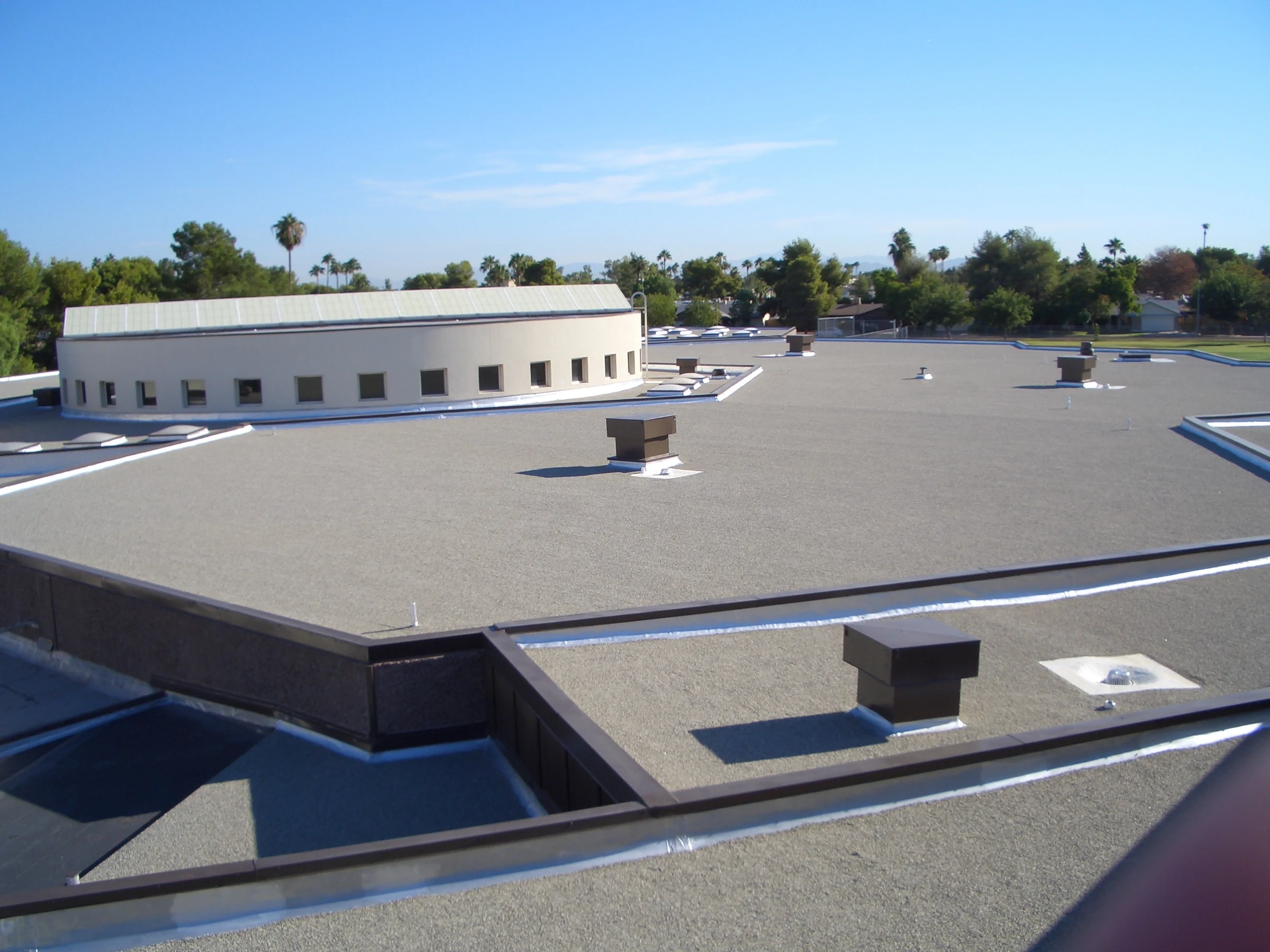
A large share of the commercial roofs we assess in this market are old enough to need real attention but structurally sound enough that a full tear-off would be spending money on demolition that doesn't need to happen. Recover systems install a new insulation and membrane layer directly over the existing roof assembly, provided that assembly is dry and structurally capable of supporting the additional weight. That approach avoids landfill disposal costs, cuts labor time significantly compared to tear-off, and lets us upgrade insulation value at the same time — a real advantage on former manufacturing buildings that were never insulated to a level appropriate for their current use as warehouse or flex space.
It's also often the fastest path to a new watertight roof for owners on a tenant timeline, since there's no demolition phase and less risk of weather exposure to the building interior during construction.
What Has to Be True for Recover to Work
Recover isn't the right call on every roof. The existing system has to be dry — wet insulation or a saturated felt system trapped under a new membrane will keep degrading and eventually cause the new roof to fail from underneath, which is one of the most expensive mistakes possible in commercial roofing. We check moisture content across the existing roof, often with infrared scanning or core sampling in multiple locations, before recommending recover over tear-off. A roof with significant trapped moisture needs that moisture addressed — sometimes through partial tear-off in wet areas combined with recover elsewhere — rather than a blanket recommendation either direction.
Structural capacity is the second requirement. Adding a new insulation and membrane layer adds weight, and on some of Flint's older buildings, particularly ones that have already been recovered once before, that additional load needs to be checked against the roof structure's actual capacity, not assumed. Building codes also limit how many roof layers can be stacked before a tear-off is required regardless of condition, which we factor into any recover recommendation on a building with prior roofing history.
Recover on Converted Industrial Buildings
Some of our most common recover work is on former GM-era manufacturing buildings now serving as warehouse and distribution space around Flint Township and Burton. These buildings frequently have an old built-up roof system, structurally sound but thermally inadequate for their current use, and a TPO recover over new insulation solves both problems in one project — a fresh, welded membrane and a real insulation upgrade for a building that was never designed to be thermally efficient in the first place. See our TPO page for more on how that membrane choice plays out specifically.
What We Assess Before Recommending Recover
- Moisture content throughout the existing roof assembly
- Structural capacity for additional dead load
- Number of existing roof layers and applicable code limits
- Condition of existing insulation and whether it needs replacement or can stay in place
- Drainage adequacy, since recover is a chance to correct tapered insulation issues
- Flashing height clearance at parapets and curbs after the new assembly raises roof height
When We Recommend Tear-Off Instead
We tell owners directly when recover isn't the right move — widespread trapped moisture, a building already at its code-permitted layer limit, or structural capacity that can't support additional weight all point toward tear-off instead. Recover done on a roof that shouldn't have qualified for it fails faster and costs more overall than doing the tear-off correctly the first time, so we don't stretch the recommendation to fit a smaller budget number. When tear-off is genuinely warranted, we walk through the same insulation and membrane decisions, just starting from a clean deck rather than an existing assembly.
Recover and Overlay Questions From Genesee County Owners
How do you know if my existing roof has trapped moisture?
We typically use infrared thermography during a roof scan, which detects temperature differences between wet and dry insulation, followed by core sampling to confirm and quantify what the scan finds.
Is recover actually cheaper than tear-off and replacement?
Usually, since it eliminates demolition labor and disposal costs, but the total savings depend on the specific building. We provide both options with real numbers when a roof qualifies for either.
Can you recover a roof that's already been recovered once before?
Sometimes, but building codes generally cap the number of roof layers allowed before a tear-off is required, and older buildings with multiple prior recovers are often already at or near that limit.
Does recover fix insulation problems on an old industrial building?
Yes, that's often the primary benefit on former plant buildings — recover is a direct opportunity to add a proper insulation layer that the original roof never had, since the building wasn't designed with today's thermal expectations.
What happens if you find wet insulation partway through a recover project?
We isolate and remove the wet sections rather than covering them, then recover the remaining dry area as planned. That's part of why we scope moisture assessment thoroughly before starting, to minimize surprises once the project is underway.
Related
Ready to review the roof scope?
Let’s Talk About Your Commercial Roof
Share the building, roof history, known leaks or damage, access constraints, and schedule. We’ll start with the roof condition and the facility below it.