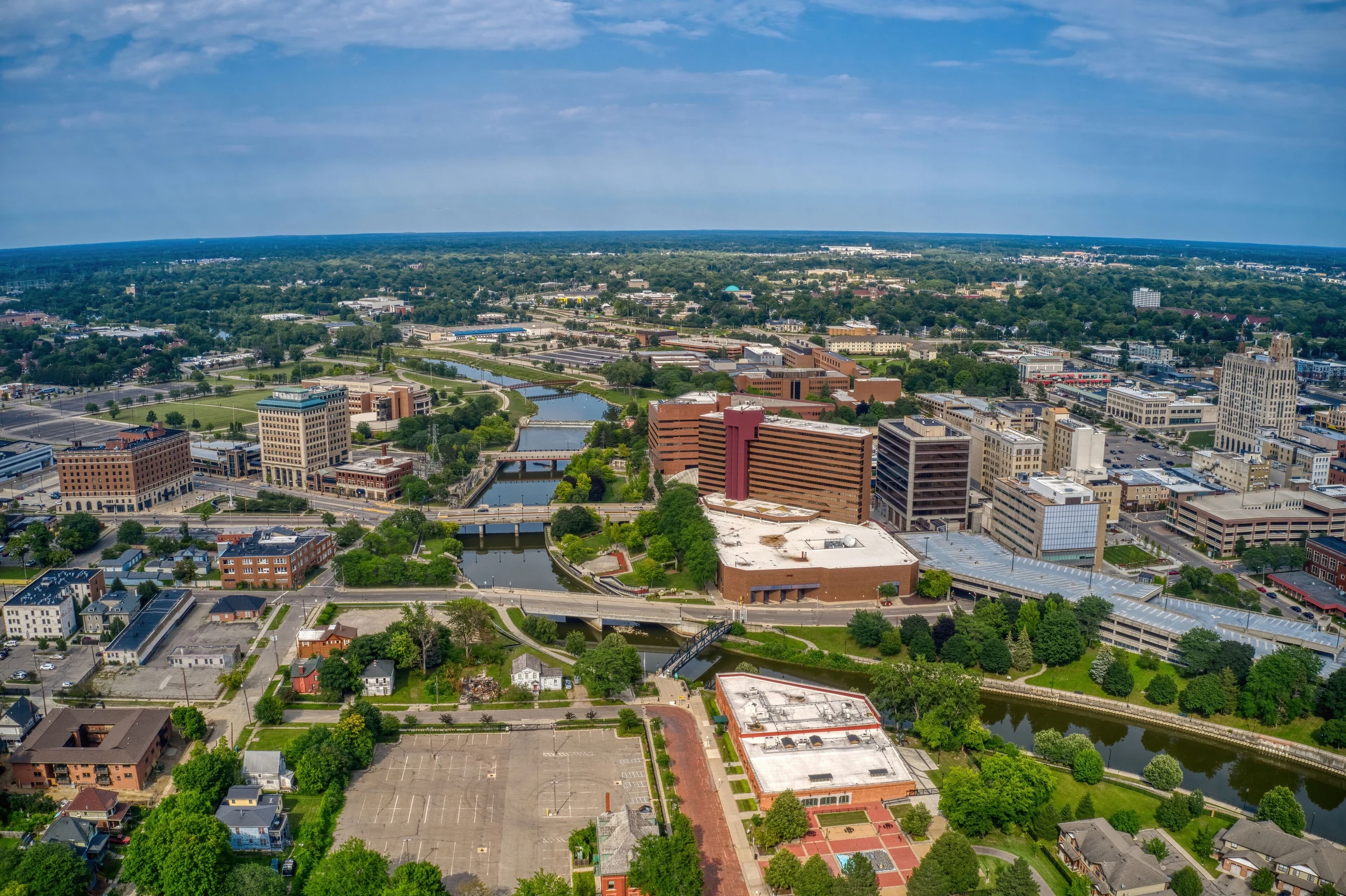

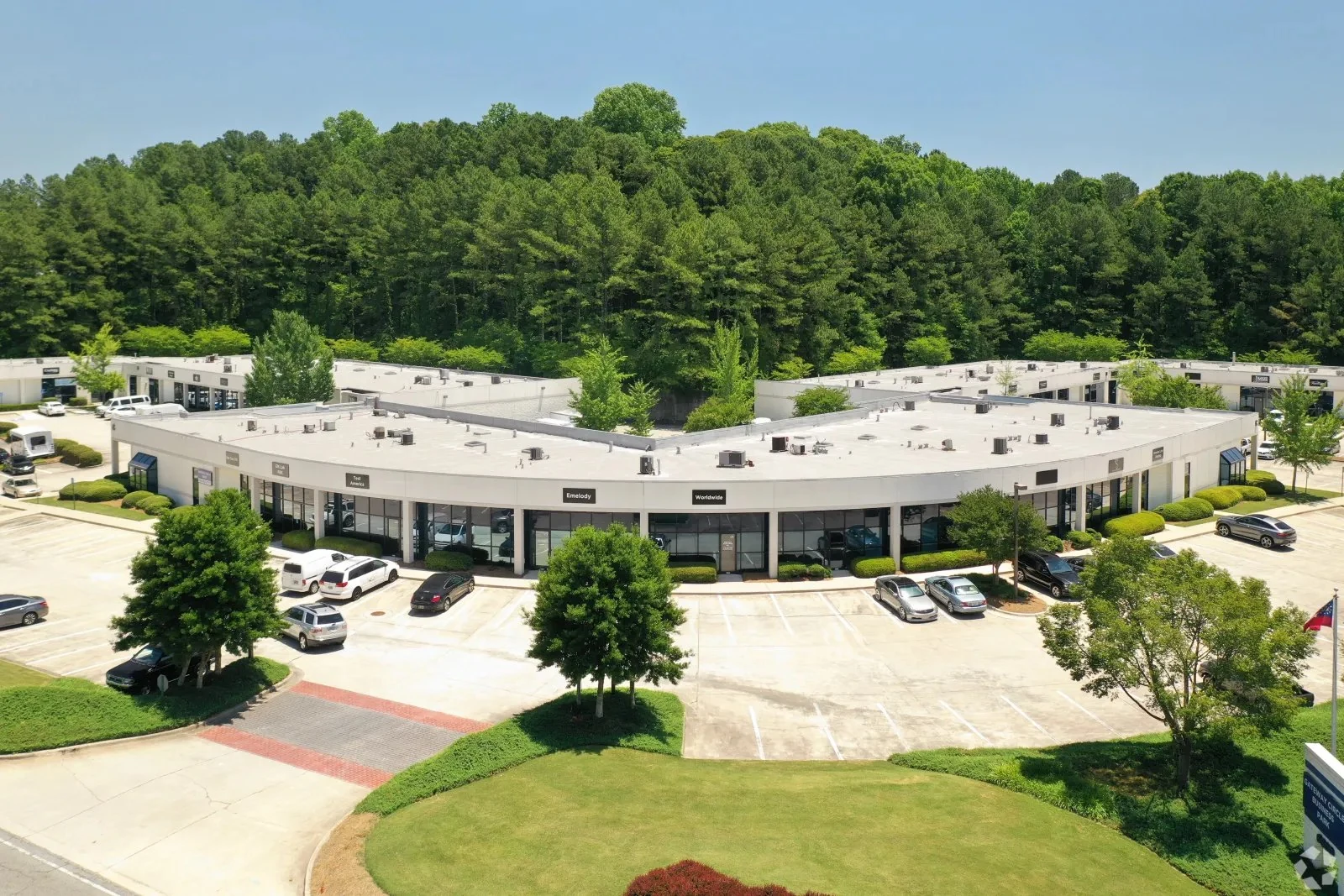
Commercial Roofing for Property Management Firms in Flint, MI
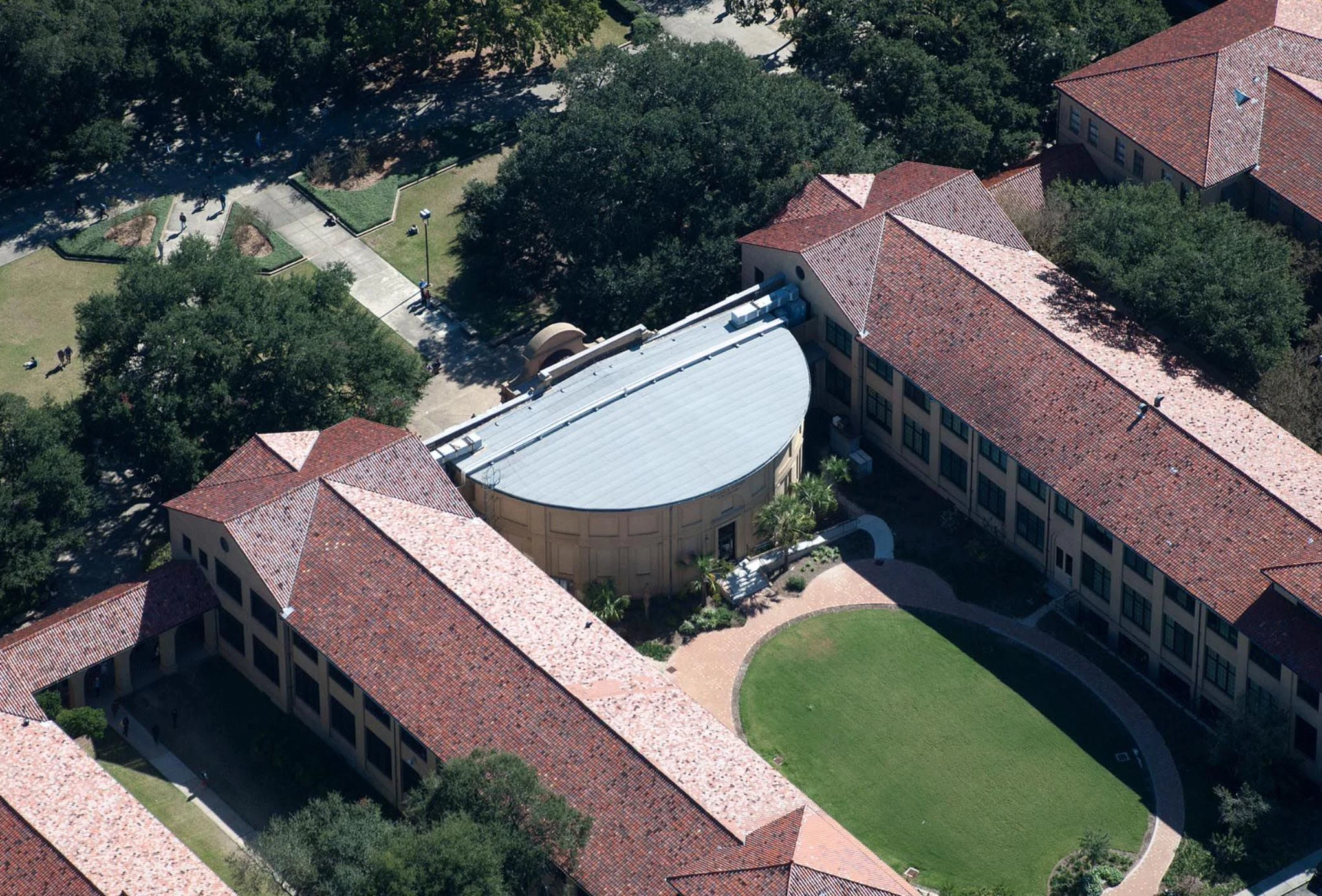
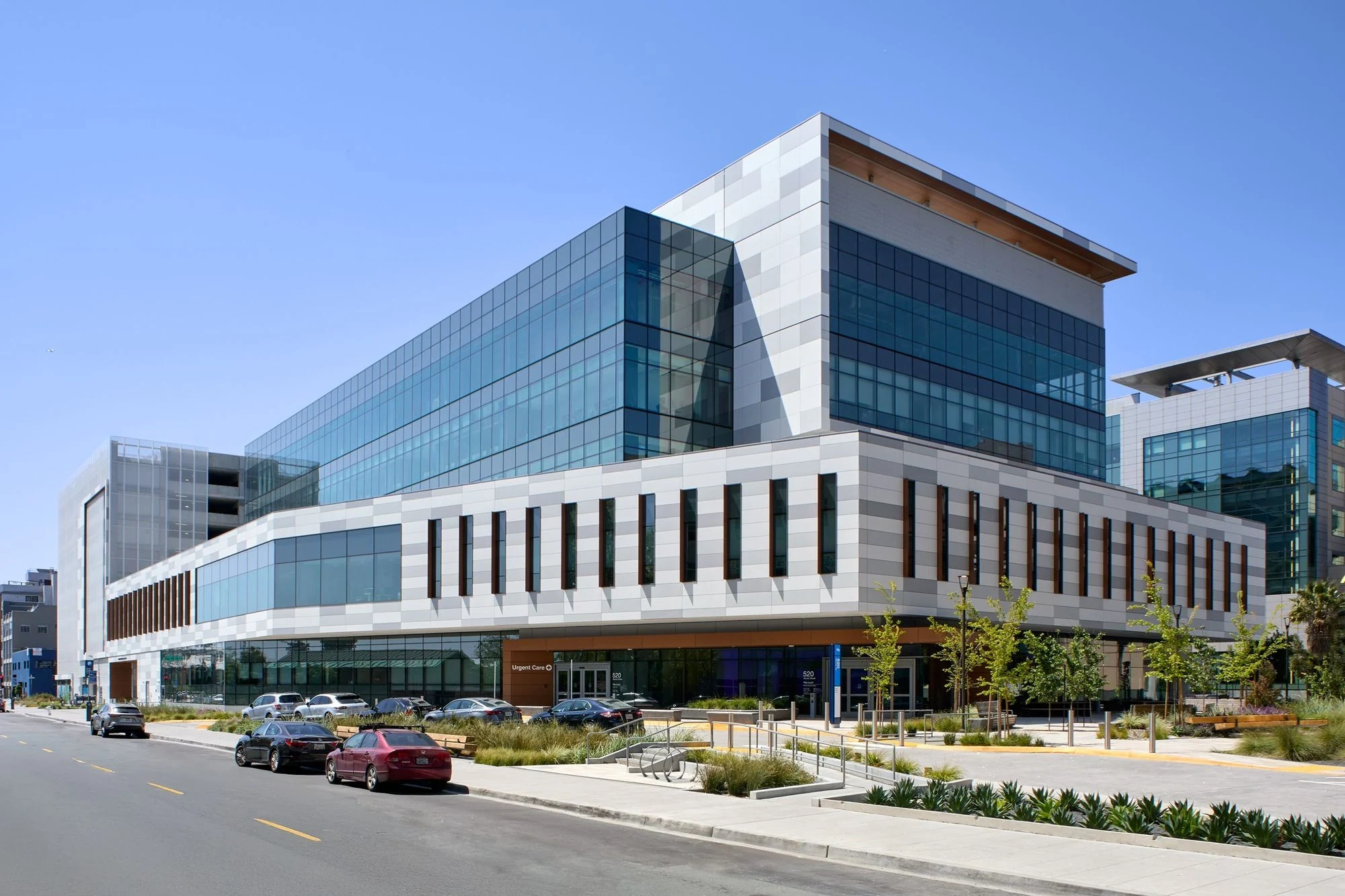

Roof Portfolio Support for Genesee County Property Managers
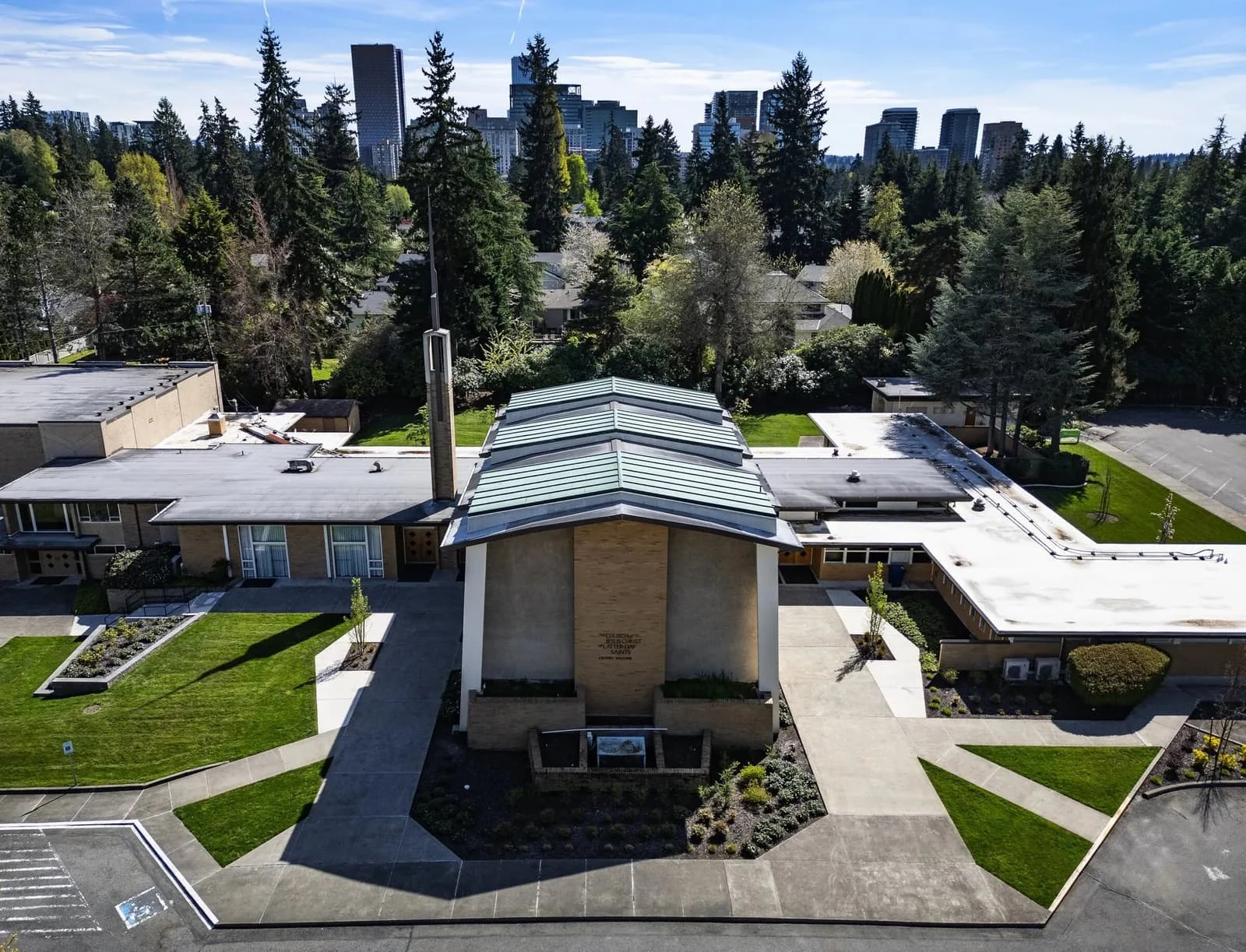
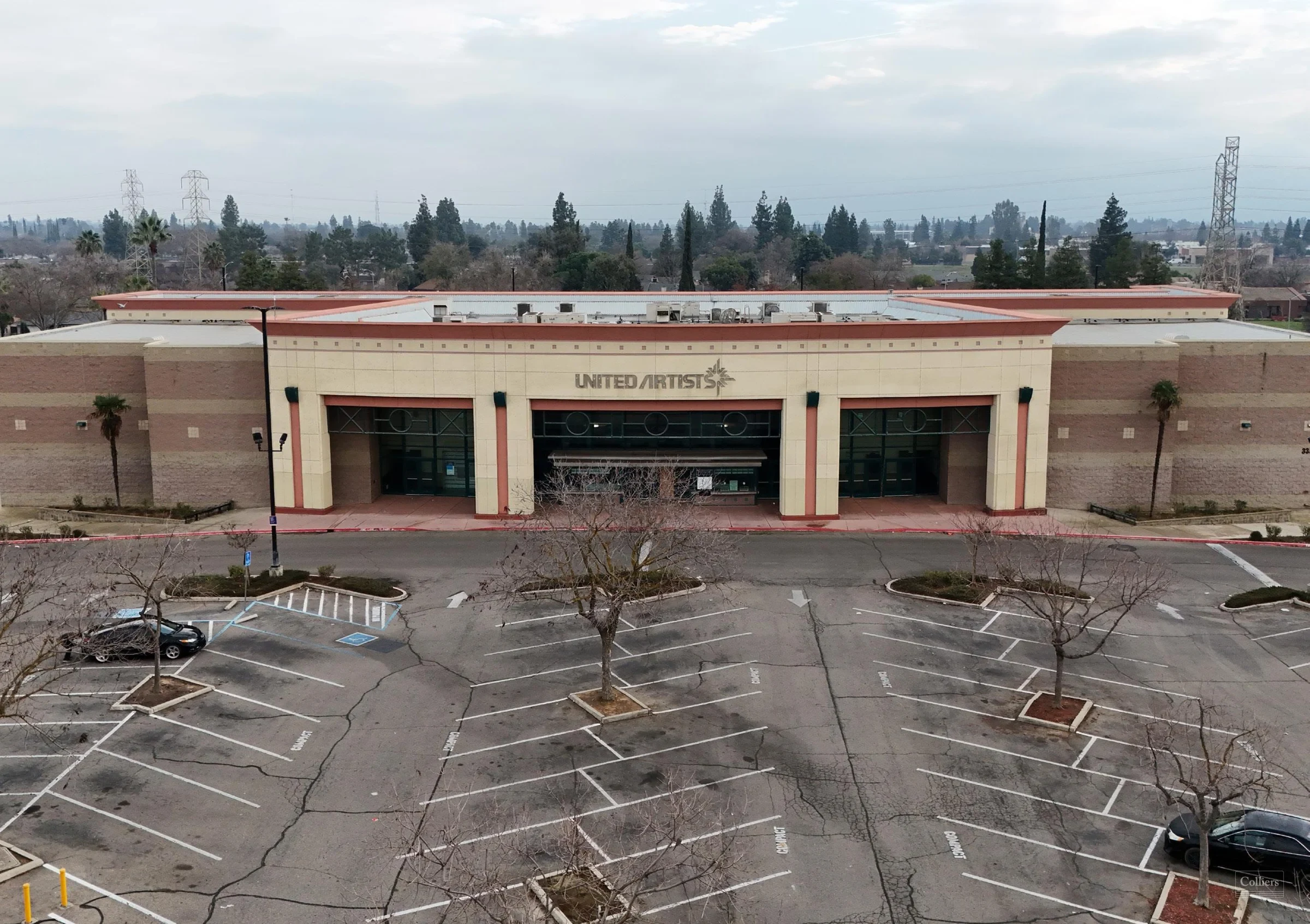
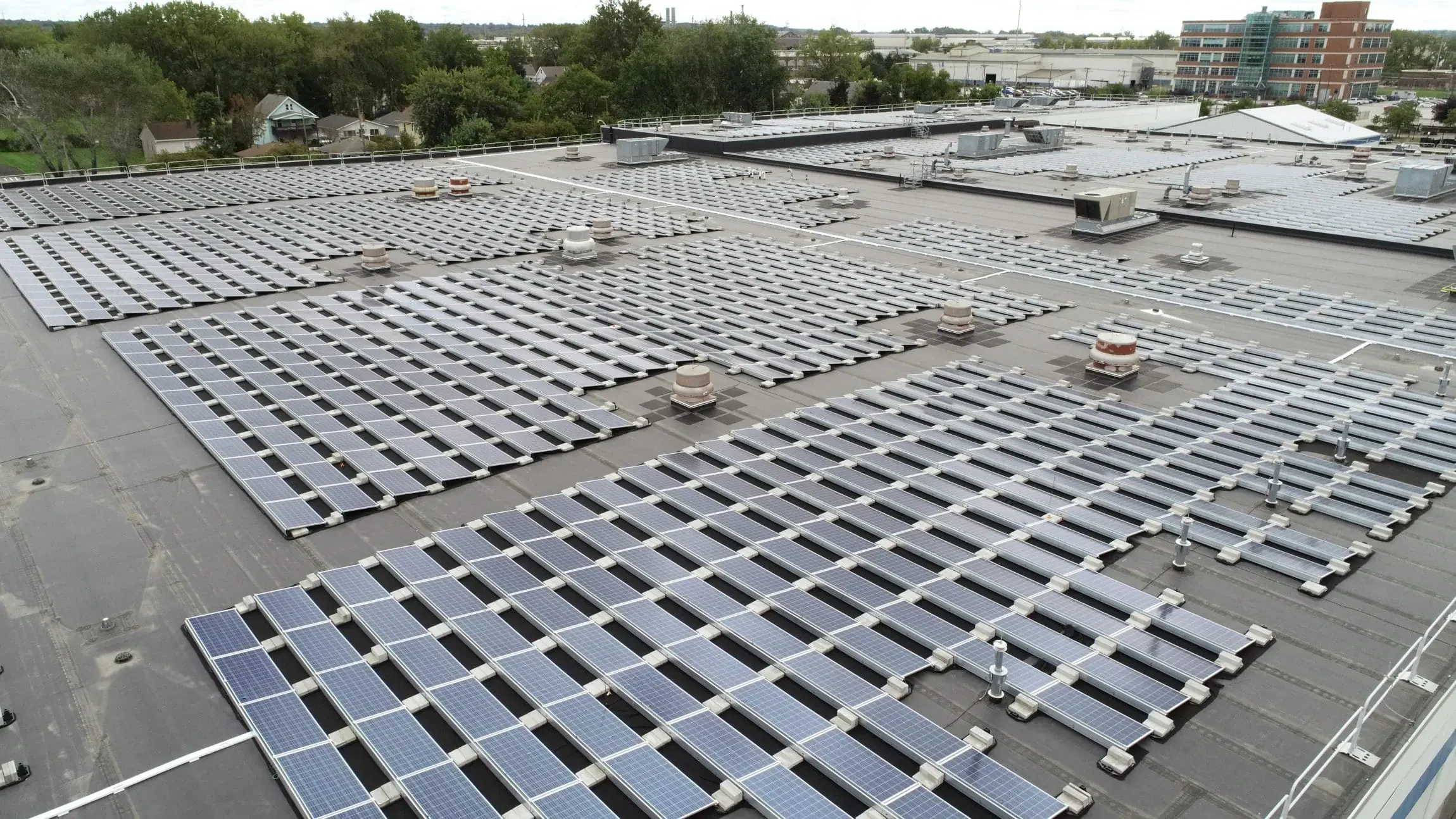
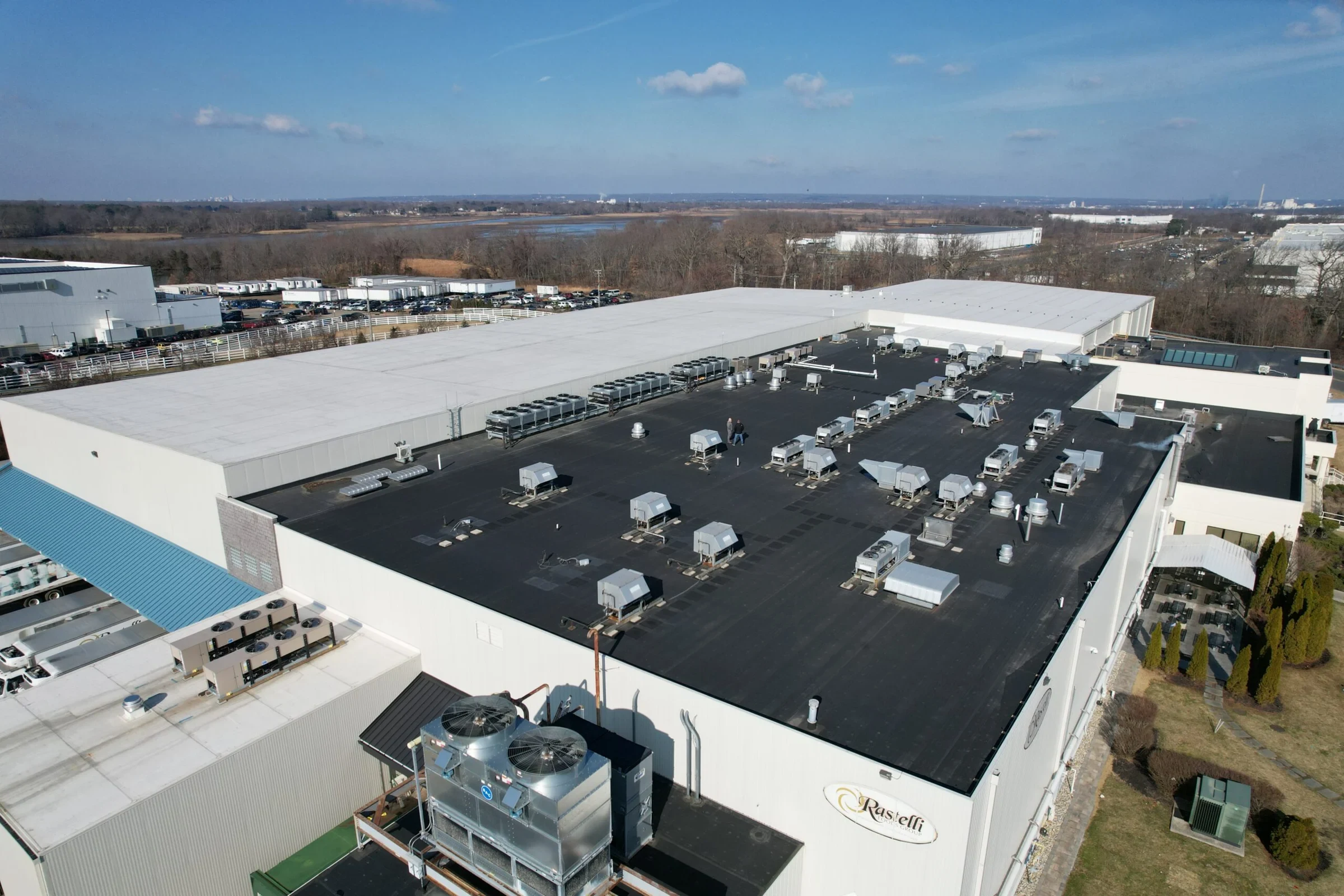
Property managers running scattered assets across Genesee County, strip retail off Dort Highway, office buildings downtown, mixed-use blocks in Flint Township or Grand Blanc, are usually managing roofs that were never budgeted together in the first place. We work as a single point of contact across that kind of portfolio, so roof condition stops being twenty separate unknowns and starts being one ranked list.
Managing Roofs Across an Aging Portfolio
Most of the commercial buildings we see in this county date to the 1960s through the 1980s, and the roofs have been through multiple owners, multiple patch jobs, and in many cases at least one prior recover. That history isn't documented consistently, if it's documented at all, which puts a property manager in the position of reacting to leak calls rather than planning ahead of them.
We start most new portfolio relationships with a baseline inspection across every property, so the manager has one document that ranks roof condition site by site instead of a folder of inconsistent old invoices.
Budget Planning Across Multiple Properties
Owners and asset managers plan capital spending in cycles, and a roof that fails outside that cycle creates a budget problem beyond the repair cost itself. We rank properties by urgency, not alphabetically and not by which owner calls first, so the roof that's actually closest to failure gets addressed before the one that just looks the oldest.
That ranking also supports phased replacement schedules spread across two or three budget years instead of one large unplanned expense, which is usually the difference between a manageable capital plan and a scramble.
Tenant Relations During Roof Work
Occupied buildings mean tenants dealing with noise, staging, and temporary access changes during roof work, and property managers are the ones fielding those calls. We give managers a specific schedule and scope in advance so they can communicate real information to tenants instead of a general "roofers will be here sometime."
Retail tenants in particular care about parking and storefront access staying open, while office tenants tend to care more about noise during business hours. We ask what matters most to a given property's tenant mix before we finalize a work schedule, rather than applying the same plan to a downtown office building and a Dort Highway strip center with completely different traffic patterns.
Emergency Leak Response Across a Portfolio
When a tenant calls a property manager about a leak, the manager needs an answer fast, not a callback in two days. We keep a defined response window for managed portfolio clients and prioritize active leaks over routine estimate requests, because a delayed response on an occupied building turns into interior damage and an angrier tenant call.
For portfolios with properties spread across the county, from downtown Flint to Fenton and Grand Blanc, we plan our own scheduling to keep response times reasonable no matter which site the call comes from, rather than treating outlying properties as an afterthought.
- Condition reports ranked by urgency across the portfolio
- Standardized system specs to simplify multi-property maintenance
- One point of contact instead of a different vendor per site
- Phased budget options spread across fiscal years
- Documentation packages for owners and investors
- A defined response window for emergency leak calls
Freeze-Thaw and Drainage Issues on Older Flat Roofs
Ponding water is the most common issue we find on older flat commercial roofs across this county, usually tied to a drain or scupper that was undersized to begin with or has been partially blocked for years. Once that water freezes and thaws repeatedly through a Genesee County winter, it accelerates membrane wear at exactly the low point where a roof is already weakest.
Fall is the right time to clear drains and check scuppers before leaves and debris compound the problem heading into the first freeze, and it's a line item we build into any ongoing maintenance program for a managed portfolio, especially on properties with mature trees standing close to the roofline throughout the county.
What a Managed Maintenance Relationship Looks Like
Rather than a one-time inspection, most property management clients settle into a recurring preventive maintenance program: spring and fall walk-throughs, a standing response time for leak calls, and an annual written update on where each roof sits against its expected remaining life. That structure gives a manager something concrete to bring to an ownership meeting instead of a verbal update based on memory.
Questions Property Managers Ask Us
Can you manage roofs across a portfolio with different owners?
Yes, we work directly with the management company as the point of contact, coordinating owner approvals as needed on a property-by-property basis.
How do you decide which roof gets addressed first?
By condition and urgency, based on inspection findings, not by which building is oldest or which owner calls most often.
Do you offer a standing maintenance program instead of one-off calls?
Yes, most portfolio clients settle into a recurring inspection schedule with a defined emergency response window built in.
What's included in a portfolio-wide condition report?
Photo documentation, a written condition assessment, and a remaining-life estimate for each roof, ranked so the whole portfolio can be reviewed at once.
Can you work with tenants directly during a roof project?
We typically coordinate through the property manager, but we can join tenant communication when a manager wants us to explain scope or timeline directly.
Related
Ready to review the roof scope?
Let’s Talk About Your Commercial Roof
Share the building, roof history, known leaks or damage, access constraints, and schedule. We’ll start with the roof condition and the facility below it.