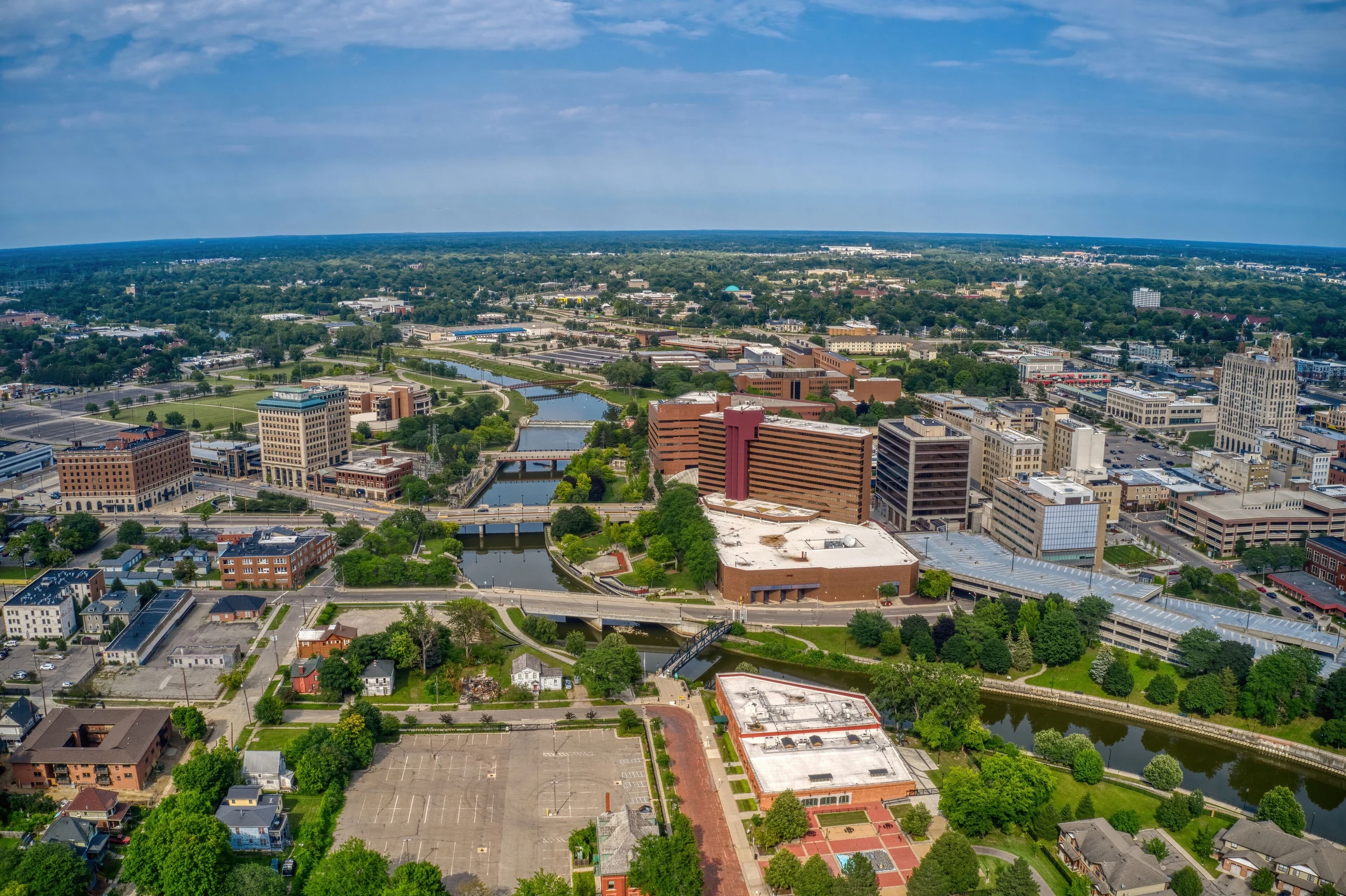

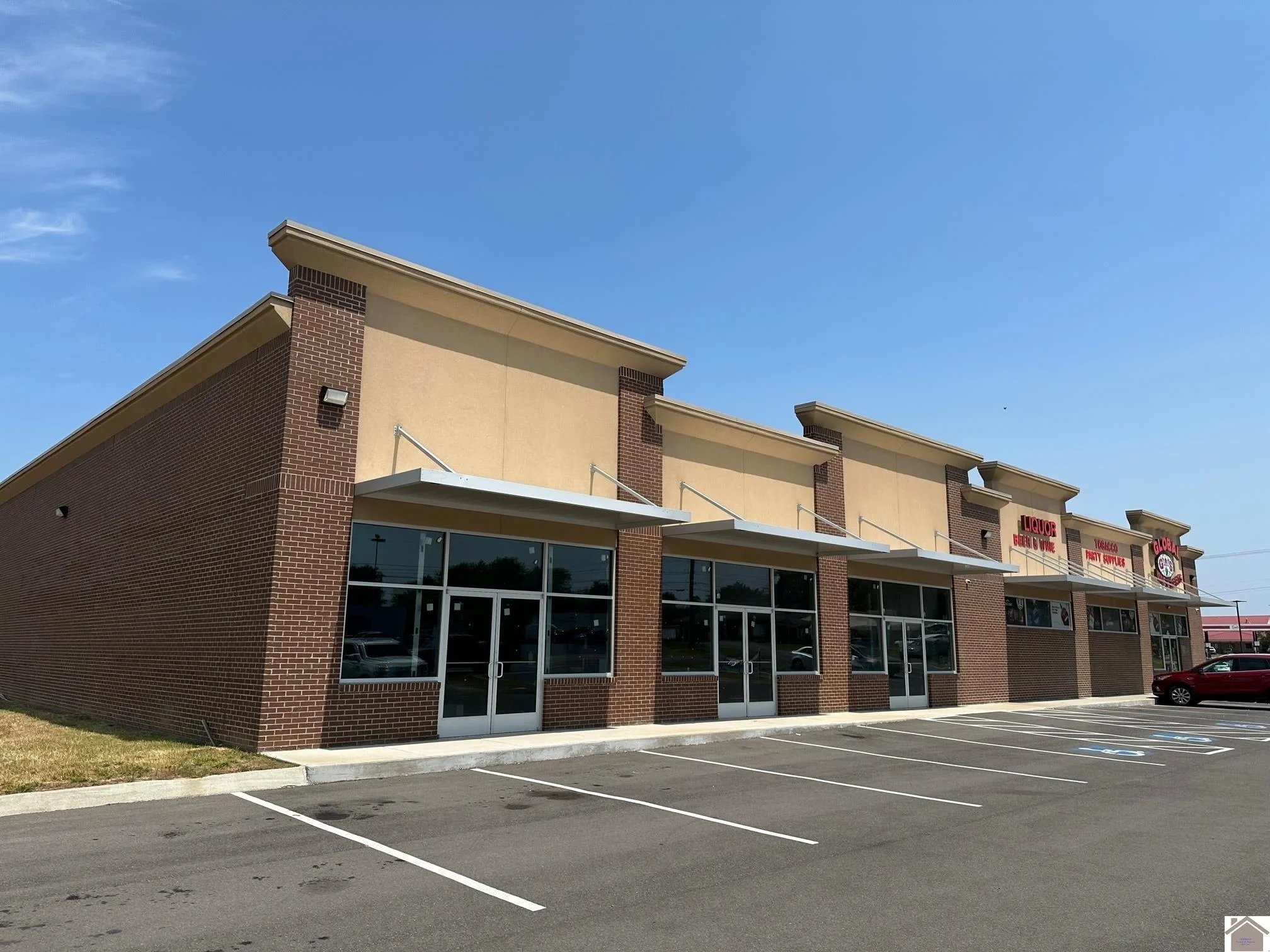
Big-Box Retail Roofing in Flint, MI
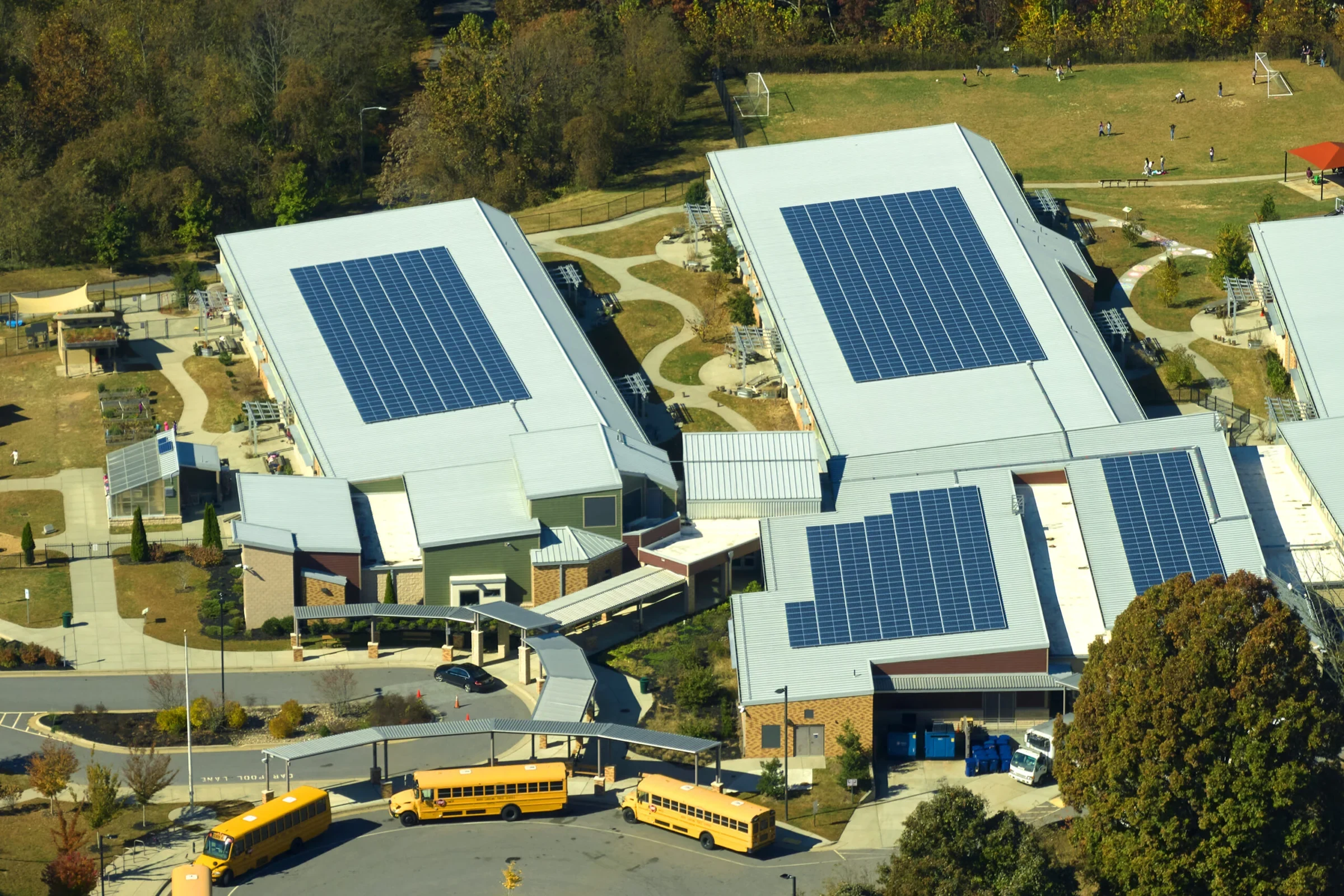
Roofing for Flint's Big-Box and Anchor Retail Buildings
Big-box stores and anchor retail buildings along Miller Road, Corunna Road, and near Genesee Valley Center, Courtland Center, and the Birch Run outlet corridor cover some of the largest single roof membranes in this market. A leak on a roof this size doesn't stay small for long, and the sales floor sitting directly below means a roof problem becomes a merchandising and customer-safety problem fast.
One of the Largest Roofs in the Retail Corridor
A typical big-box building can carry well over 100,000 square feet of low-slope roof, almost all of it visible from a single vantage point once you're up there, which makes these some of the more efficient roofs to inspect but also some of the most expensive to get wrong. Many of the big-box stores in this market date to the 1990s and early 2000s buildout along the Miller Road and Corunna Road corridors, which puts a lot of that original membrane well into the range where recover or replacement decisions are live conversations rather than future planning.
The outlet and expo center buildings near Birch Run see a different traffic pattern than a year-round grocery-anchored center, with sharper seasonal peaks around holiday shopping and tourist travel through the area. We factor that seasonality into scheduling recommendations, since a store that can absorb a slower construction week in February may have far less flexibility heading into the fourth quarter.
Sales Floor Below, Which Changes the Repair Priority
A leak over a stockroom is an inconvenience. A leak over the sales floor is a slip hazard, a merchandise-damage risk, and often a reason a store has to rope off an aisle during business hours. We prioritize leak calls at retail buildings based on what's directly below, and we treat anything over an active sales floor as urgent regardless of how small the visible leak looks from inside.
Roof drains and scuppers matter more on these buildings than the square footage alone would suggest, since a single clogged drain on a roof this size can direct a surprising volume of water toward whatever low point happens to sit over merchandise or checkout areas.
Things Specific to Big-Box Roofs
- Rooftop HVAC units sized for large open sales floors, often the heaviest equipment on the roof
- Skylights or roof monitors used for daylighting on some store designs
- Loading dock canopy tie-ins, a recurring source of flashing failure
- Anchor-store tie-ins where the roof meets a shared mall common area
- Signage structure penetrations and attachment points
- Drain capacity relative to a very large, flat membrane area
Working Around Store Hours and Loading Dock Operations
Retail stores generally can't close for roof work, so we schedule tear-off and membrane installation to keep the sales floor and loading dock functioning throughout the project. That usually means sequencing work over the stockroom and less customer-facing areas first, saving sales-floor sections for whatever timing a store manager identifies as lowest-traffic. Loading dock roofs and canopies get special attention on scheduling too, since blocking dock access even briefly can back up a store's entire delivery schedule.
Overnight stocking crews add another scheduling consideration most other building types don't have, since a store that looks closed from the parking lot at 2 a.m. often has a full crew working the sales floor below. We confirm overnight staffing patterns with store management before assuming any hour is truly quiet enough for the noisiest phases of a tear-off.
Aging Big-Box Stock Along Miller Road and Corunna Road
A lot of the big-box retail built along these corridors in the 1990s and 2000s is now reaching the point where a second or third recover isn't really an option within code, and a full tear-off becomes the honest recommendation. We walk owners through that transition directly, including what a phased tear-off looks like if the store needs to stay open through the project, rather than continuing to patch a membrane that's past the point where patching makes financial sense.
Where a big-box building has changed banners or ownership more than once, the roof's maintenance history often gets thinner with each transition, since incoming operators don't always inherit detailed records from the previous tenant. We start those relationships with a full core-sample inspection rather than relying on whatever partial history came with the lease.
Retail Facilities Managers Ask Us
Can you keep the store open during a full roof replacement?
In most cases, yes. We phase the work and coordinate closely with store management on which sections to prioritize based on customer traffic patterns.
How fast do you respond to a leak over the sales floor?
We treat sales floor leaks as urgent given the slip-hazard and merchandise-damage risk, and we aim to have a temporary dry-in in place quickly.
Do you work with mall or shopping center management on anchor-store roof tie-ins?
Yes, where an anchor store's roof connects to a shared mall structure, we coordinate directly with center management on that shared boundary.
Our roof has been recovered twice already — what now?
We check what's actually documented in the roof assembly before recommending anything. In many cases a building at that point needs a full tear-off rather than another recover layer.
Can you document storm damage for an insurance claim on a large retail roof?
Yes, and given the size of these roofs we typically use drone or aerial photography alongside ground documentation to give an adjuster a complete picture.
Related
Ready to review the roof scope?
Let’s Talk About Your Commercial Roof
Share the building, roof history, known leaks or damage, access constraints, and schedule. We’ll start with the roof condition and the facility below it.