
Storm Damage Roof Repair in Flint, MI

Repairing Storm Damage on Genesee County Commercial Roofs
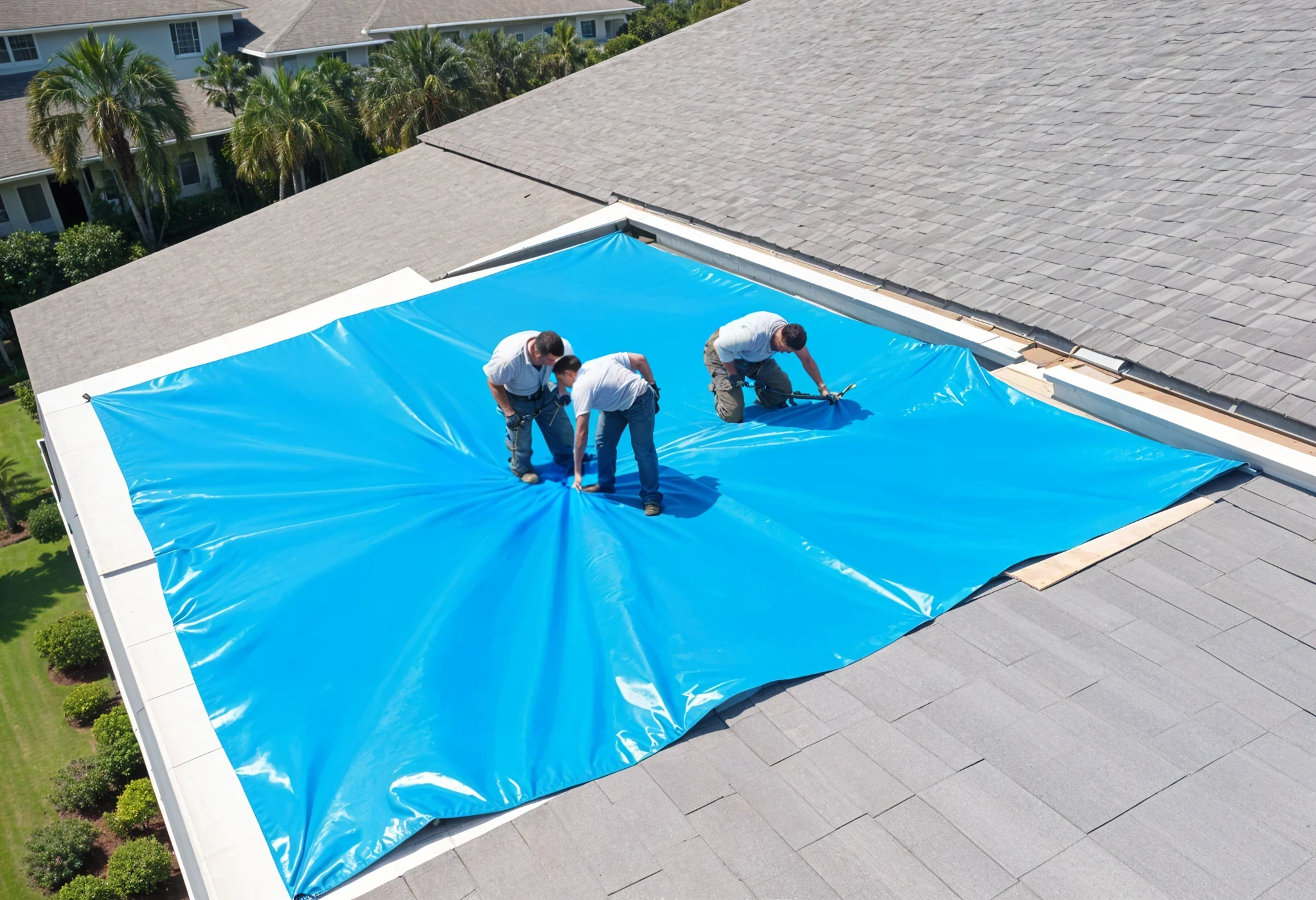
Summer thunderstorms and spring wind systems both leave marks on a commercial roof, but they don't leave the same marks, and the repair approach depends on telling those patterns apart correctly the first time. We assess and repair storm damage based on what the specific storm actually did to the specific system on the roof, not a generic damage checklist.
Hail Damage Patterns on Different Roof Systems
Hail bruises a membrane rather than punching through it in most cases, especially on TPO and PVC systems, which means the damage isn't always visible without a close inspection: granule loss on modified bitumen, mat exposure, or soft spots that will fail months later rather than immediately.
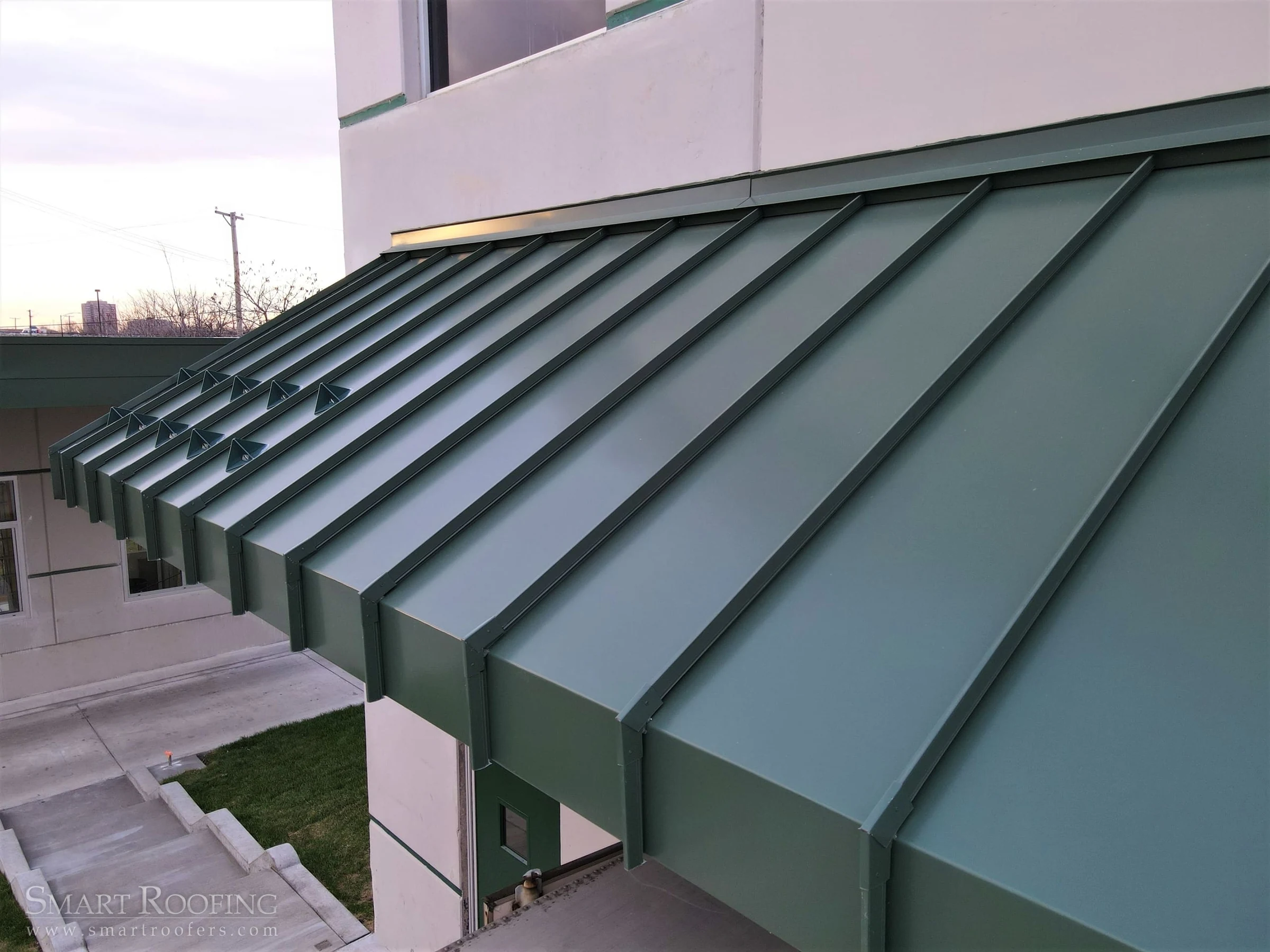
Metal roofing shows hail damage more obviously as denting, but the real question is whether the finish coating has cracked at the dent, which is what actually leads to corrosion over time rather than the dent itself being a structural problem.
EPDM tends to show hail impact as small, hard-to-spot circular indentations that don't crack the membrane immediately but do thin the material at the impact point, making that spot more likely to fail under future stress from wind or foot traffic. We mark and photograph every impact point we find during a hail assessment, even ones that look cosmetic at the time, since that record matters if a soft spot turns into an active leak months down the road.
Wind Damage: Where It Starts and How It Spreads
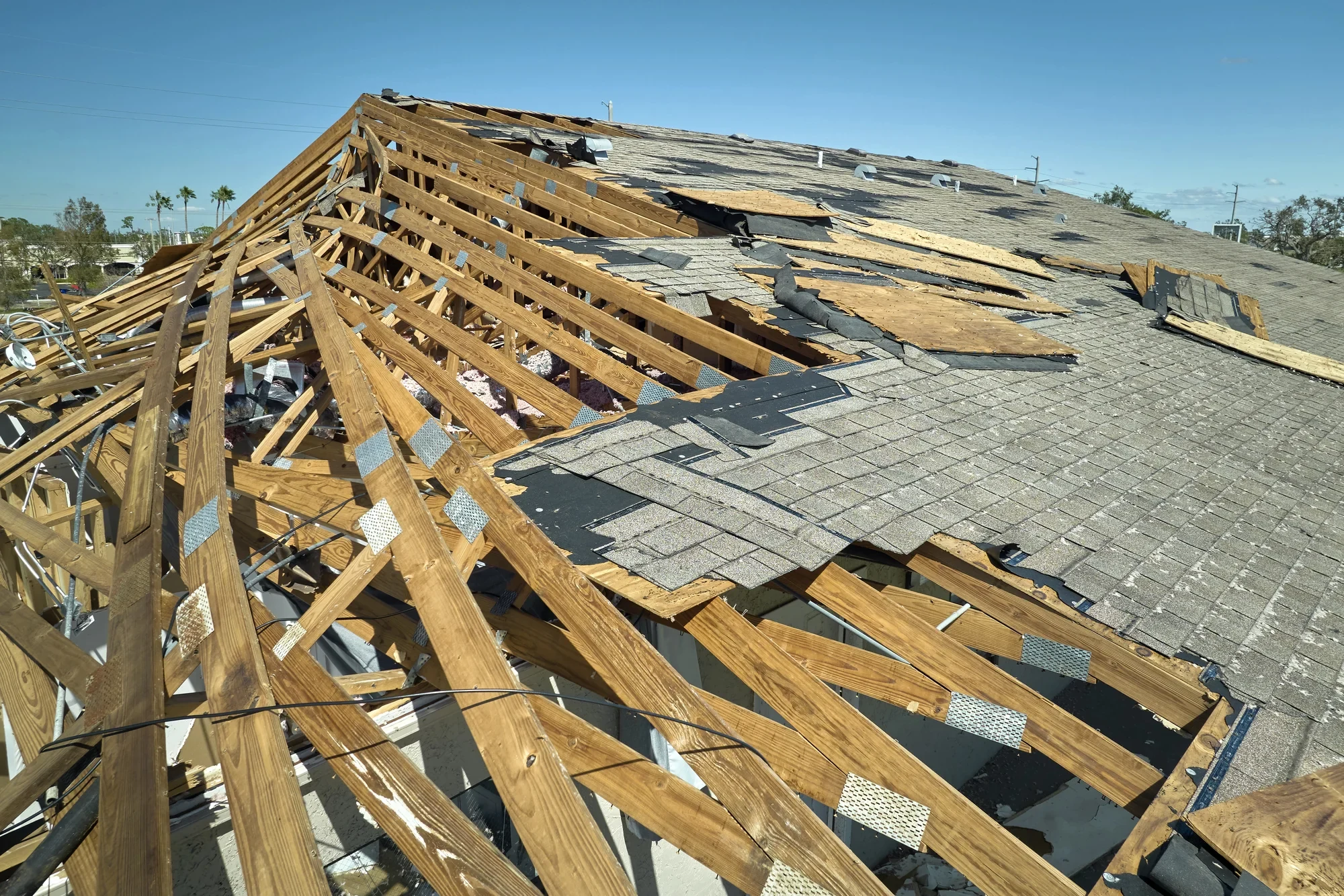
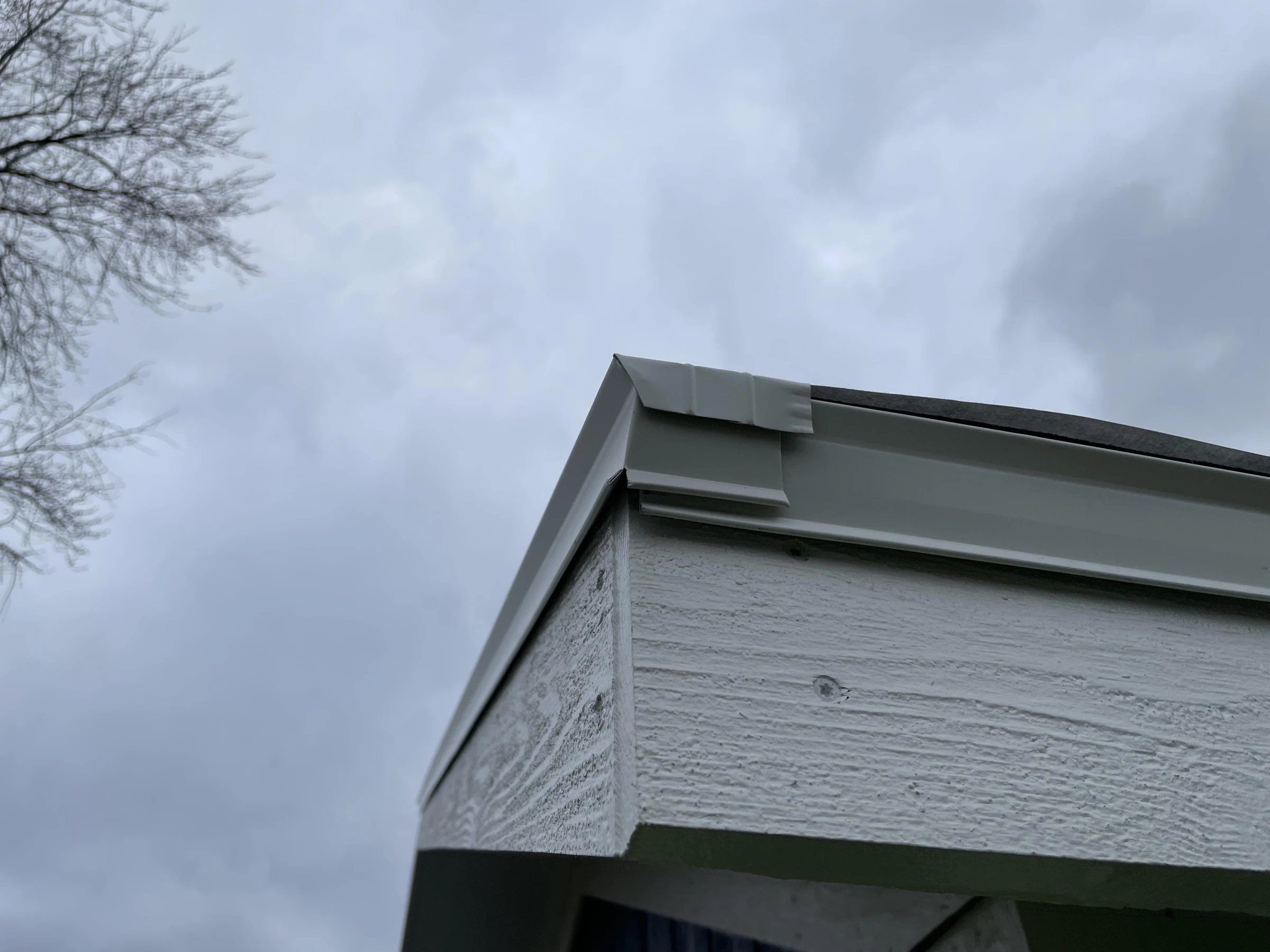
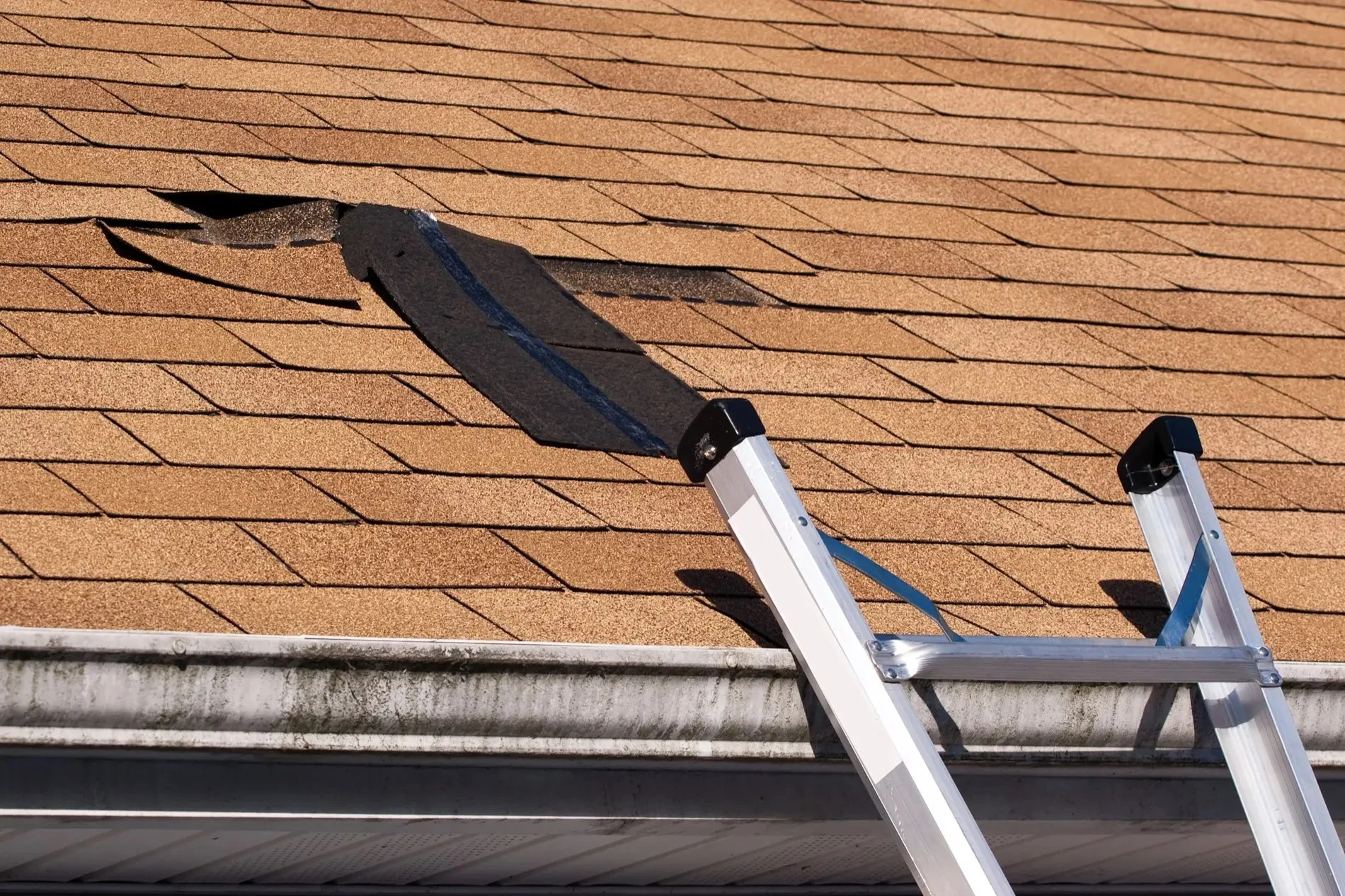
Wind uplift almost always starts at an edge: parapet coping, roof edge metal, or a corner where wind pressure concentrates rather than the middle of the field. Once wind gets under a membrane edge, it can peel back a much larger area than the initial failure point, which is why we inspect the entire roof perimeter after any significant wind event rather than only the spot that was reported.
Buildings along more exposed corridors, retail and industrial sites near US-23 and I-75 with fewer windbreaks around them, tend to see this pattern more than buildings tucked among other structures downtown.
Assessing Damage Before Repair, Not During
We don't price storm repair off a phone description or a photo an owner sends us. A proper assessment means being on the roof, checking the full perimeter and field, and distinguishing storm-caused damage from pre-existing wear that a storm just made visible.
This distinction matters for the repair scope and for any insurance documentation that follows. A roof with pre-existing age-related deterioration and a roof with a clean storm-caused failure point need different conversations, and we're direct with owners about which one they're looking at.
Repair Priorities on a Storm-Damaged Roof
Not every finding gets addressed with the same urgency. We generally prioritize:
- Active water intrusion points, addressed immediately regardless of scope
- Compromised edge metal and flashing, since these fail further under continued wind exposure
- Membrane punctures or tears in the field, sealed before they expand
- Cosmetic hail bruising with no active leak risk, documented but scheduled rather than rushed
This ordering keeps emergency response focused on what's actually letting water in, while lower-urgency findings still get addressed on a reasonable timeline instead of being ignored.
When Storm Repair Points Toward a Bigger Scope
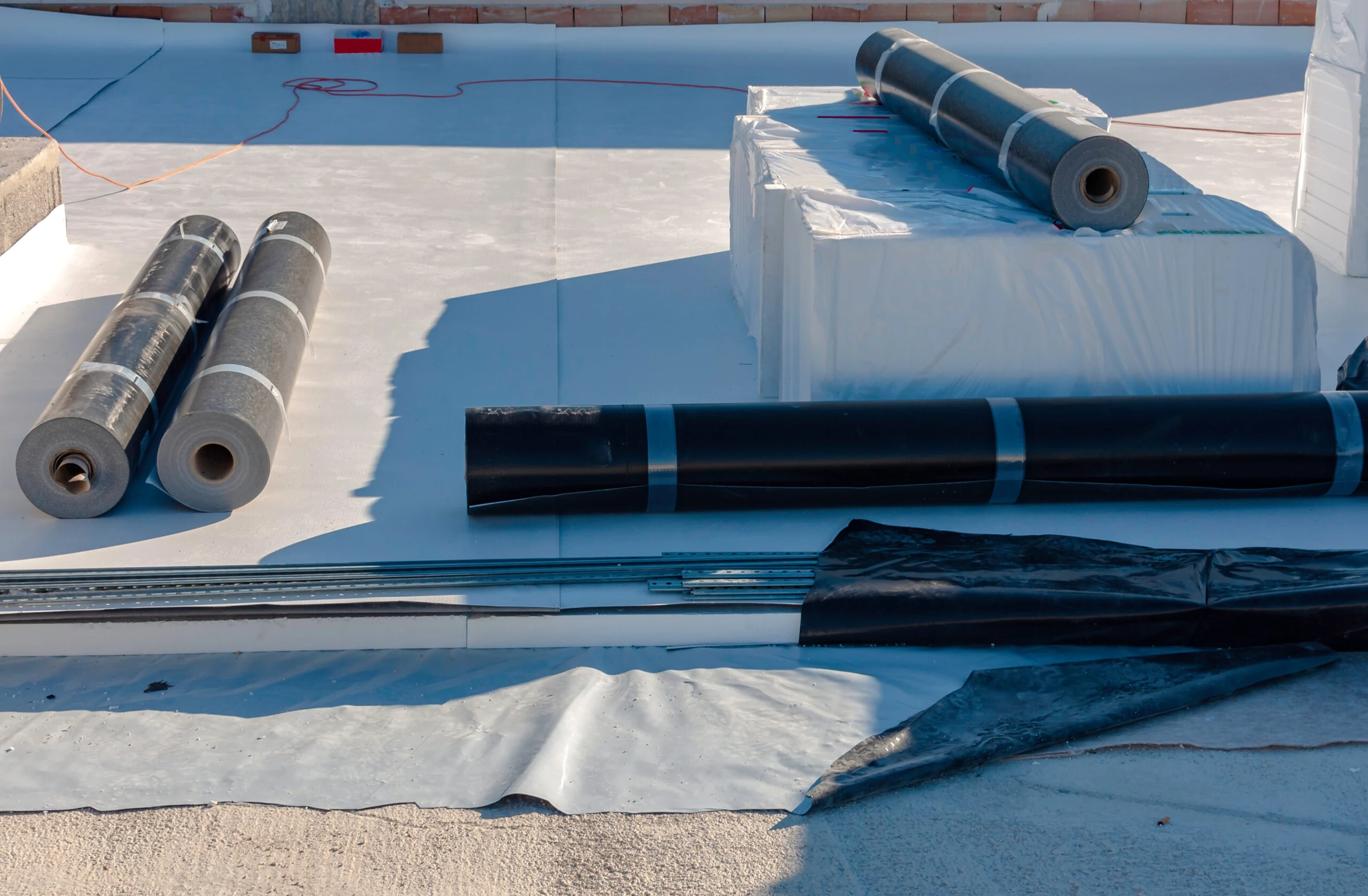
Sometimes a storm damage call reveals a roof that was already close to needing full replacement, and the storm just accelerated the timeline. We'll say that directly rather than doing repeated repair visits on a roof that's past the point where patching makes sense.
In those cases we walk owners through whether a targeted tear-off and replacement makes more sense than continuing to chase storm repairs on an aging system, especially if the building has already seen multiple storm events in recent seasons.
Storm Season Patterns Across a Typical Genesee County Year
Spring tends to bring the wind events — fronts moving through fast with gusts strong enough to test edge metal and coping across the county, sometimes with tornado watches attached. Summer shifts toward pop-up thunderstorm cells that can drop hail locally without affecting a building a few miles away, which is part of why two buildings on the same block sometimes have very different damage after the same afternoon.
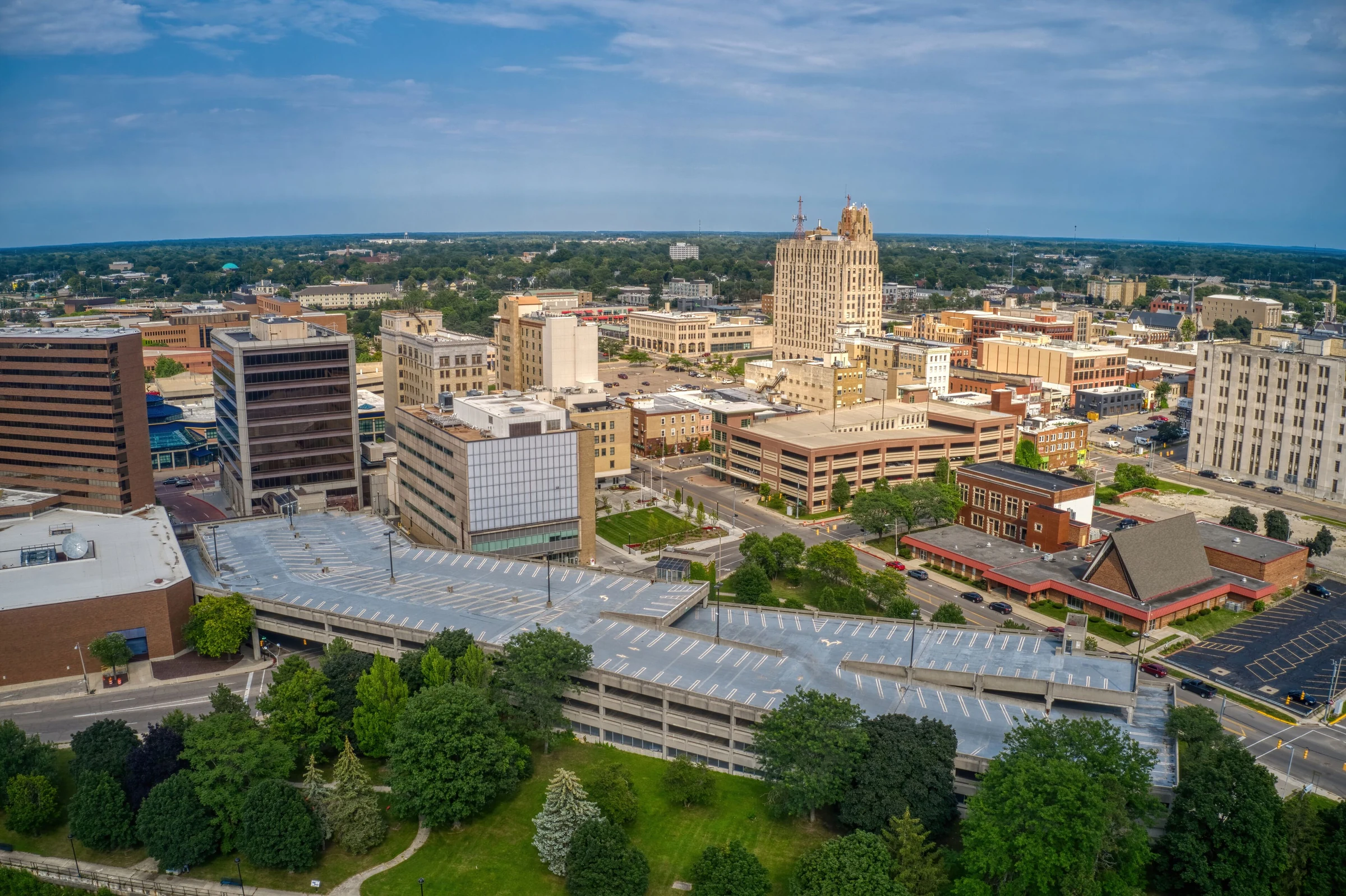
We track storm patterns loosely across our service area for exactly this reason: knowing that a specific storm cell tracked through Fenton and Grand Blanc but missed downtown Flint helps us prioritize where to expect calls and inspect proactively rather than waiting for every owner to notice damage on their own.
Storm Damage Repair Questions
How soon after a storm should a roof get inspected?
As soon as it's safe to do so, especially if there's any sign of interior water. Even roofs with no visible interior signs benefit from inspection soon after a significant hail or wind event, since some damage doesn't show up as a leak right away.
Can hail damage be invisible from the ground?
Yes, on most membrane systems hail bruising doesn't show as a visible dent the way it does on metal or on a car. It usually takes a roof-level inspection to find it.
Does wind damage always start at the edges?
Almost always, because that's where wind pressure concentrates on a flat or low-slope roof. That's why we check the full perimeter after wind events rather than only the area someone reported.
Will a repair be enough, or will you tell me if I need more?
We tell owners directly if what we're seeing points to a bigger problem than a targeted repair can solve, rather than doing repeat repair visits on a roof that needs a larger scope.
Do all storm-damaged roofs need documentation for insurance?
Not necessarily, but documenting the damage at the time it's found is worth doing regardless, since it's much harder to establish storm causation months later than at the time of assessment.
Related
Ready to review the roof scope?
Let’s Talk About Your Commercial Roof
Share the building, roof history, known leaks or damage, access constraints, and schedule. We’ll start with the roof condition and the facility below it.