
TPO 60-Mil Roof Systems in Flint, MI
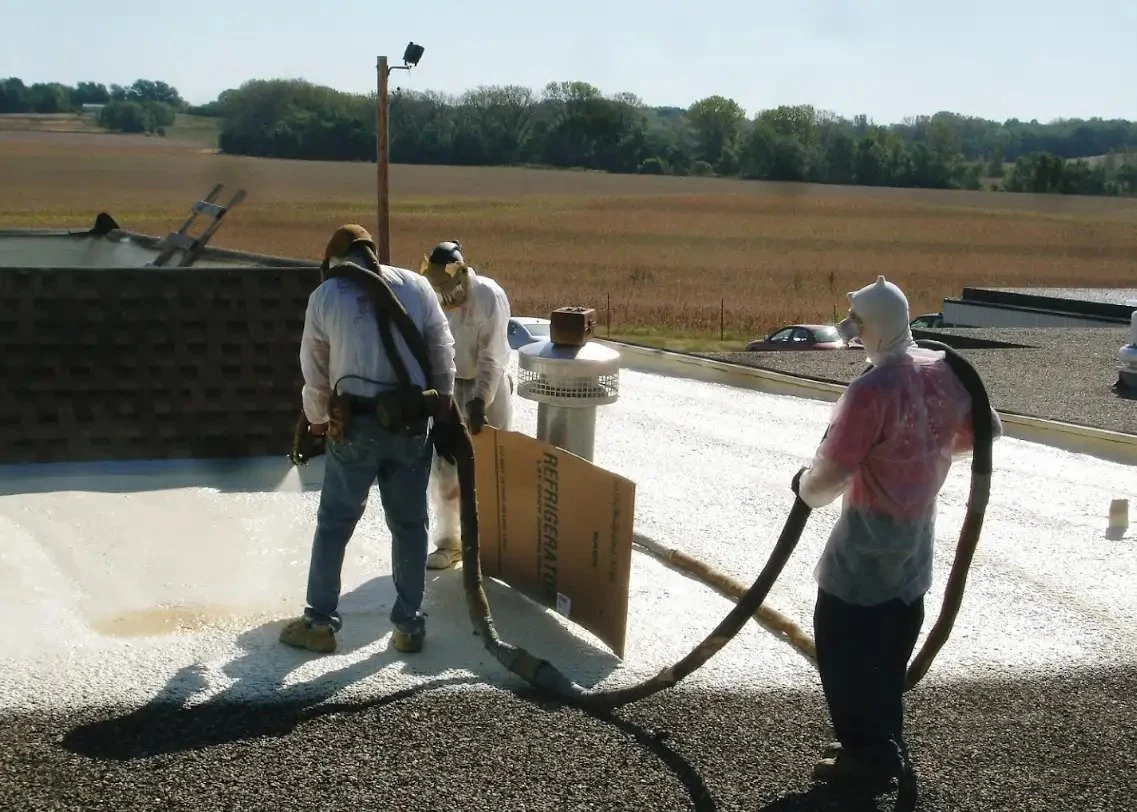
TPO 60-Mil: The Standard Membrane on Flint's Re-Roof Volume
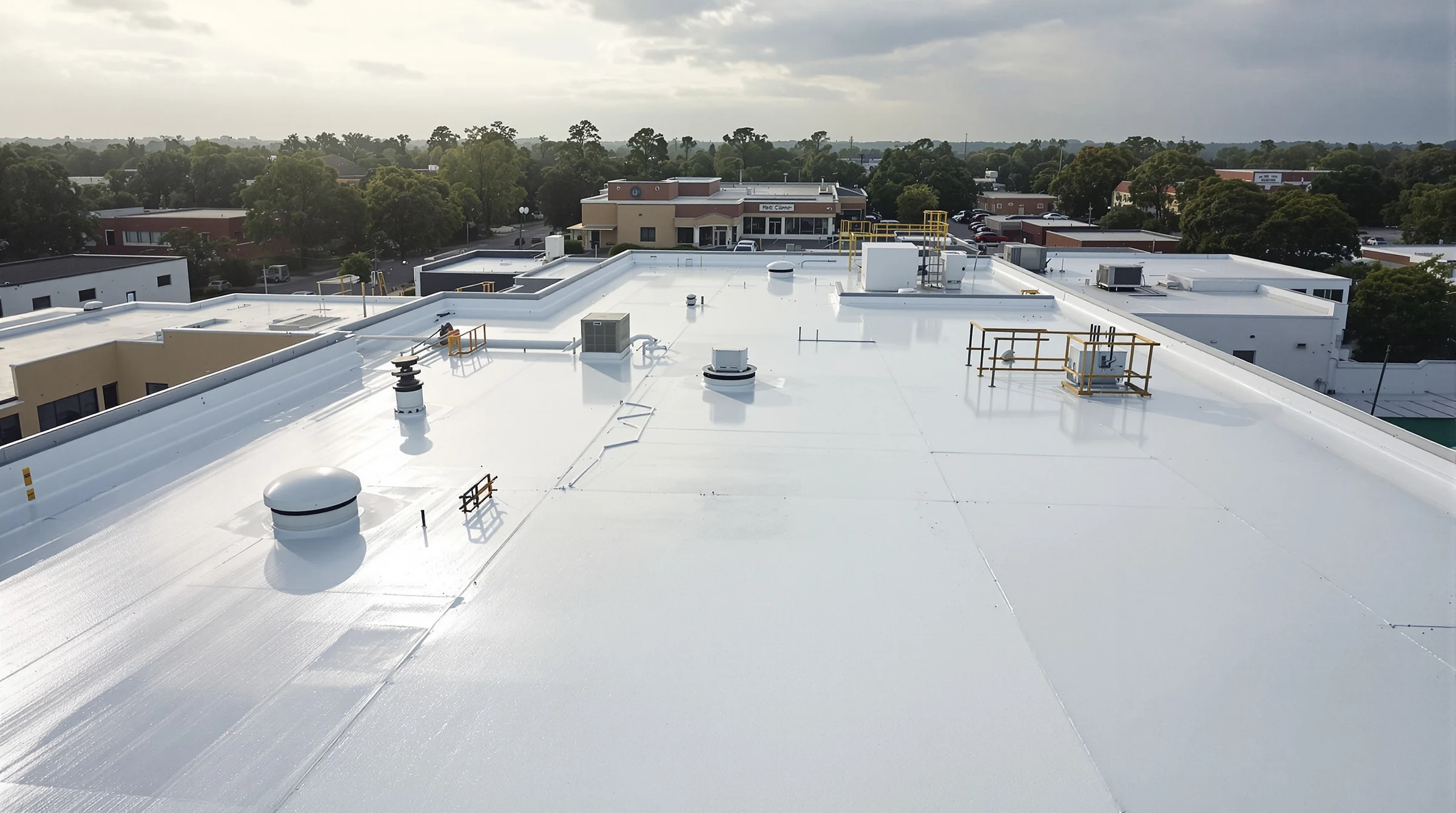
TPO 60-mil is the membrane we spec most often across Genesee County's older commercial buildings, from retail strips on Dort Highway to converted industrial space near the old Buick City footprint. It balances installed cost, seam reliability, and warranty support in a market where the work is almost always a re-roof, not new construction.
Why 60-Mil Fits Flint's Building Stock
Most of the low-slope roofs we quote sit on buildings put up during the auto-industry buildout of the 1950s through the 1970s: steel bar-joist decks, low parapets, and at least one prior recover layer already up there. TPO 60-mil gives us a membrane that installs over that history without adding more dead load than the structure should carry, and it qualifies for the standard manufacturer warranty path that most owners want before they sign off.
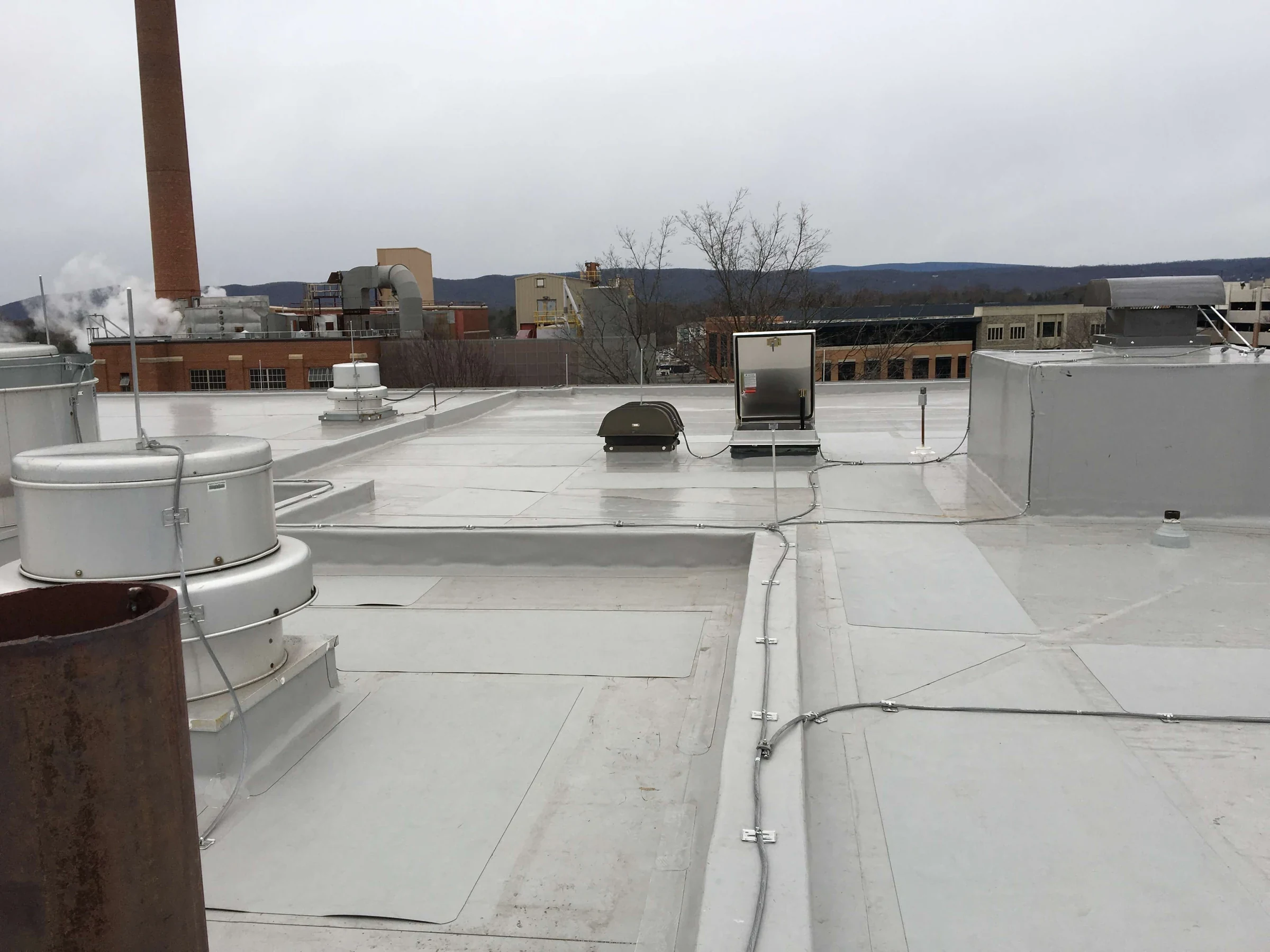
The buildings we see most, single-story medical offices near Hurley Medical Center, small manufacturing bays off Van Slyke Road, retail boxes along Miller Road, all share the same profile: flat or near-flat roofs with drains that were sized for a building half a century younger. 60-mil is thick enough to handle routine service-crew traffic to those units without a heavier spec that adds cost the project doesn't need.
Cold-Weather Seam Welding and the Michigan Install Window
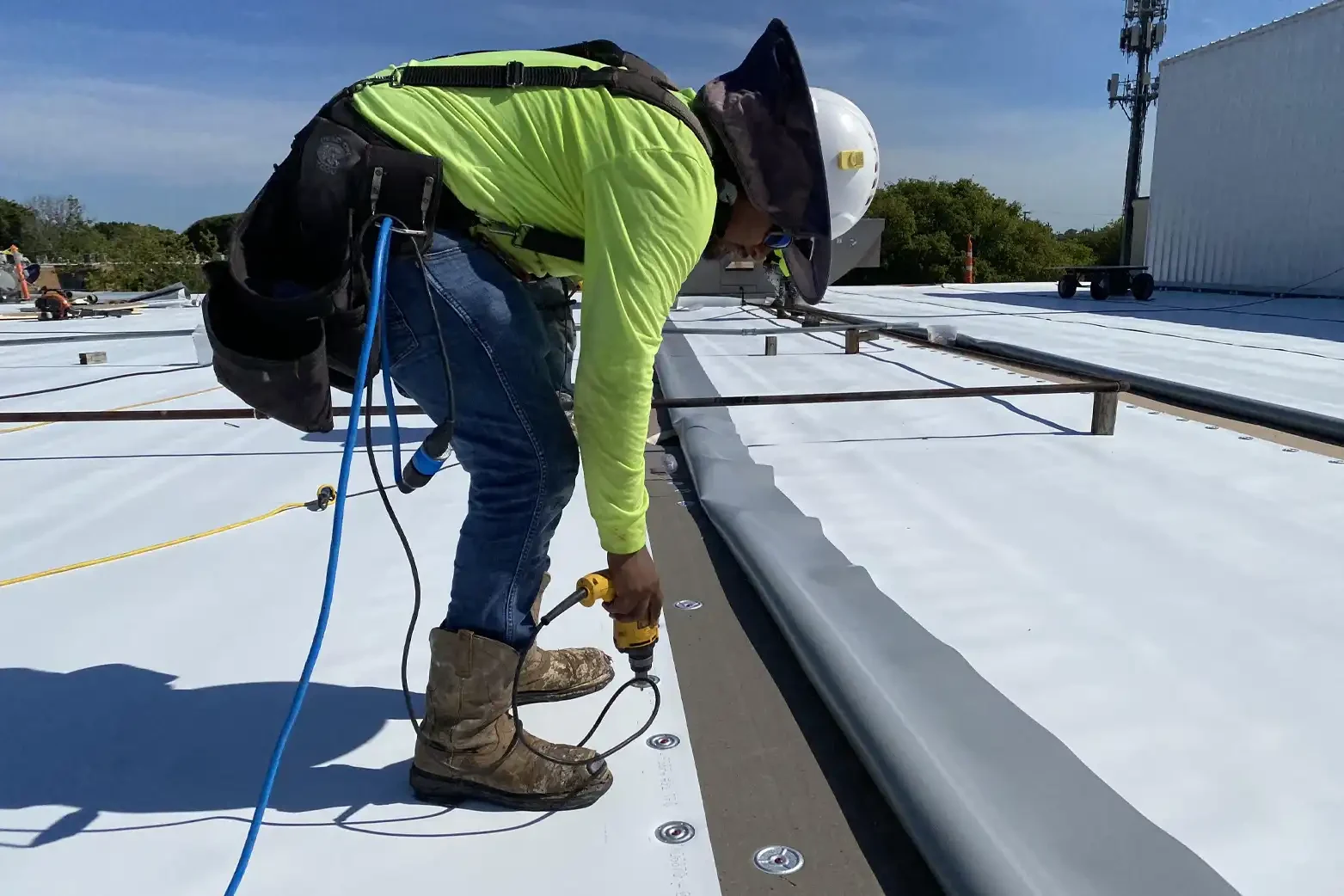
TPO seams are hot-air welded, and the weld quality depends on membrane temperature, ambient temperature, and roller pressure staying inside the manufacturer's range. Our install season here effectively runs spring through fall; late-October and November jobs are still doable, but they mean keeping rolls warmed before they go down and probing every seam before the crew leaves the roof, not after a complaint call in January.
A seam that looks welded on a 45-degree afternoon can open by half an inch once the membrane contracts through a hard freeze. That is why we probe test as we go rather than at the end of the day, and why we hold back from finishing a fully adhered detail in marginal weather rather than rush it to beat a forecast.
Freeze-Thaw, Ice Damming, and Standing Snow Load
Genesee County gets wet, heavy snow through the winter, some of it lake-influenced off Saginaw Bay, and it sits on flat commercial roofs longer than anyone likes. Where a roof has a low point away from a functioning drain, that snow melts and refreezes at the edge, and ice damming starts working under coping and behind parapet flashing rather than a hole in the membrane field.
We walk drains, scuppers, and low points before the first hard freeze on every roof we maintain, because a plugged drain in December turns into a January leak call that has nothing to do with the membrane's condition and everything to do with water that had nowhere to go.
What We Check Before Winter
Every roof we maintain gets a pre-winter walk that's separate from a leak-call inspection, because the point is catching a problem before the first freeze rather than after. It runs the same list every time so nothing gets skipped just because a roof looked fine from the parking lot.
The items below are what that walk covers, in the order our crews actually check them once they're up on the roof.
- Drain and internal scupper clearance
- Parapet cap and coping fastener condition
- Field seam probe results from the prior season
- Low points in the tapered insulation plan
- Penetration boot and pipe flashing seal
- Rooftop unit curb gasket condition
Recover or Tear-Off on a Plant-Era Deck
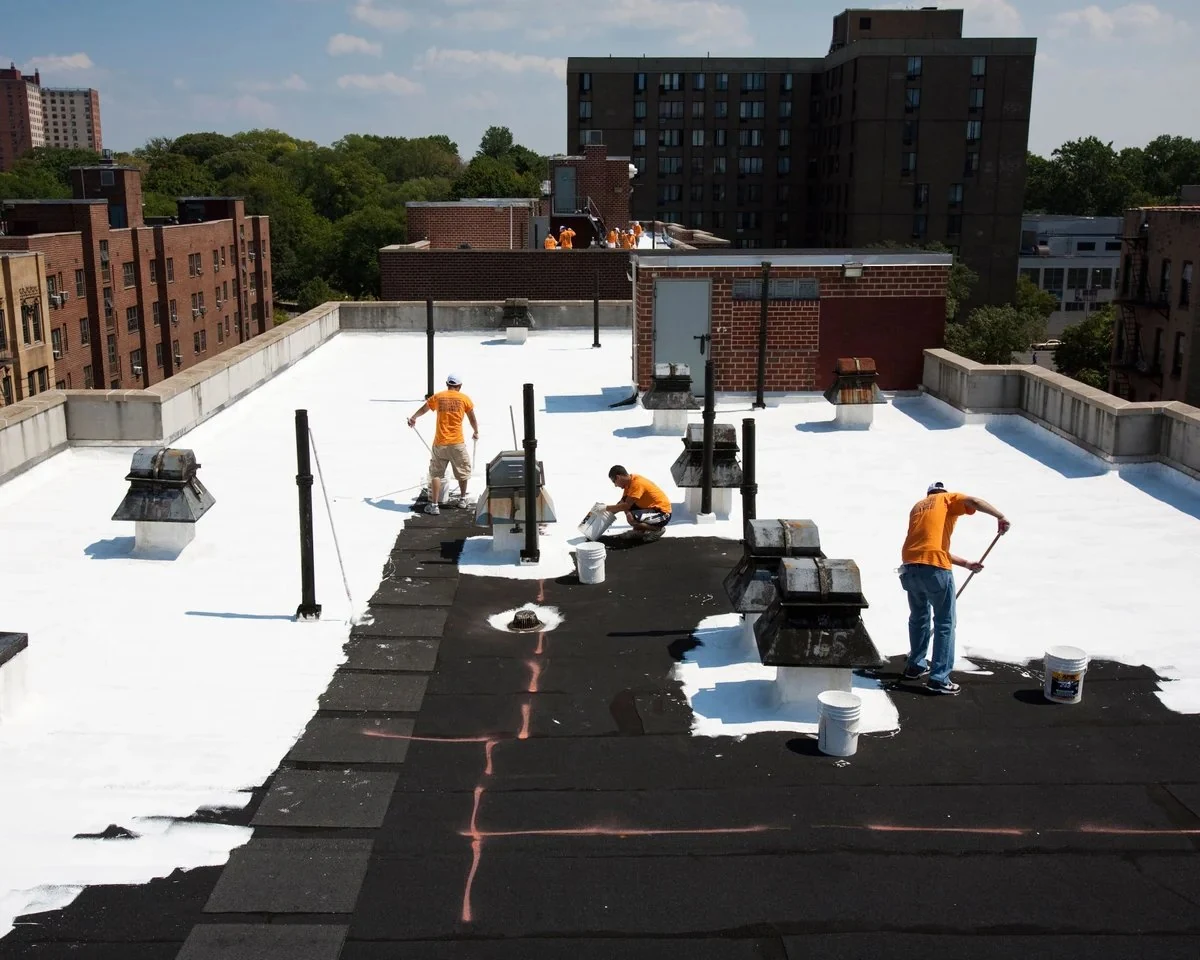
Before we quote a 60-mil job we pull cores to see what is actually under the existing surface. A lot of Flint's older commercial buildings already carry two membrane generations, sometimes a coal-tar or asphalt base layer under a later single-ply patch job, and code limits a roof to two membranes regardless of what the top layer looks like from the ground.
If the insulation underneath is dry and the deck is sound, a 60-mil recover over a properly prepared surface can save the tear-off and disposal cost. If the cores come back wet, or the building is already at its membrane limit, we say so before we write a price, not after demolition starts.
What the Manufacturer Warranty Actually Requires
A 60-mil TPO warranty path is not automatic just because the membrane is TPO. It requires installation matched to the manufacturer's published detail drawings at every parapet, curb, and penetration, and a field inspection of the finished roof before the paperwork issues. We build to those drawings because that is what gets checked at closeout, and we hand over the inspection sign-off and the assembly documentation as part of the project file, which matters if a wind or hail event ever puts the roof in front of an adjuster.
We keep a copy of that documentation ourselves as well, organized by property, so if an owner calls years later asking what's actually under their roof, we can answer from the record instead of guessing based on the roof's age.
Questions We Get on 60-Mil TPO
How is 60-mil different from 80-mil for a Flint roof?
The reinforcing scrim sits in the same place in both; the extra mils on 80-mil are added top-ply weathering material, which mostly matters on roofs with heavy equipment traffic or a longer planned hold. Most single-story retail and office buildings here do fine on 60-mil.
Can TPO still be installed in a Michigan November?
Yes, within limits. We keep membrane storage warm, monitor ambient and surface temperature through the day, and probe every seam before leaving the roof. If conditions push outside the manufacturer's welding range, we hold the detail rather than force it.
Will 60-mil TPO handle the snow load Genesee County sees?
The membrane itself is not the load-bearing element, the deck and structure are, and 60-mil is not a special snow-rated product. What matters more is drainage: keeping water and meltwater moving off the roof so it never sits long enough to refreeze at an edge or a low point.
Is 60-mil TPO a realistic recover option on an old plant building?
Sometimes. We pull moisture cores first. If the existing insulation is dry, the deck is sound, and the building has not already used up its two-membrane limit, recover is often on the table and saves real money over a tear-off.
What does a 60-mil TPO warranty actually cover?
A qualifying installation carries a no-dollar-limit path from the membrane manufacturer covering manufacturing or installation defects for the warranty term. Qualifying means the details match the manufacturer's drawings and the finished roof passes a field inspection, which is why we build to those drawings from the first day on the roof.
Related
Ready to review the roof scope?

Let’s Talk About Your Commercial Roof
Share the building, roof history, known leaks or damage, access constraints, and schedule. We’ll start with the roof condition and the facility below it.