

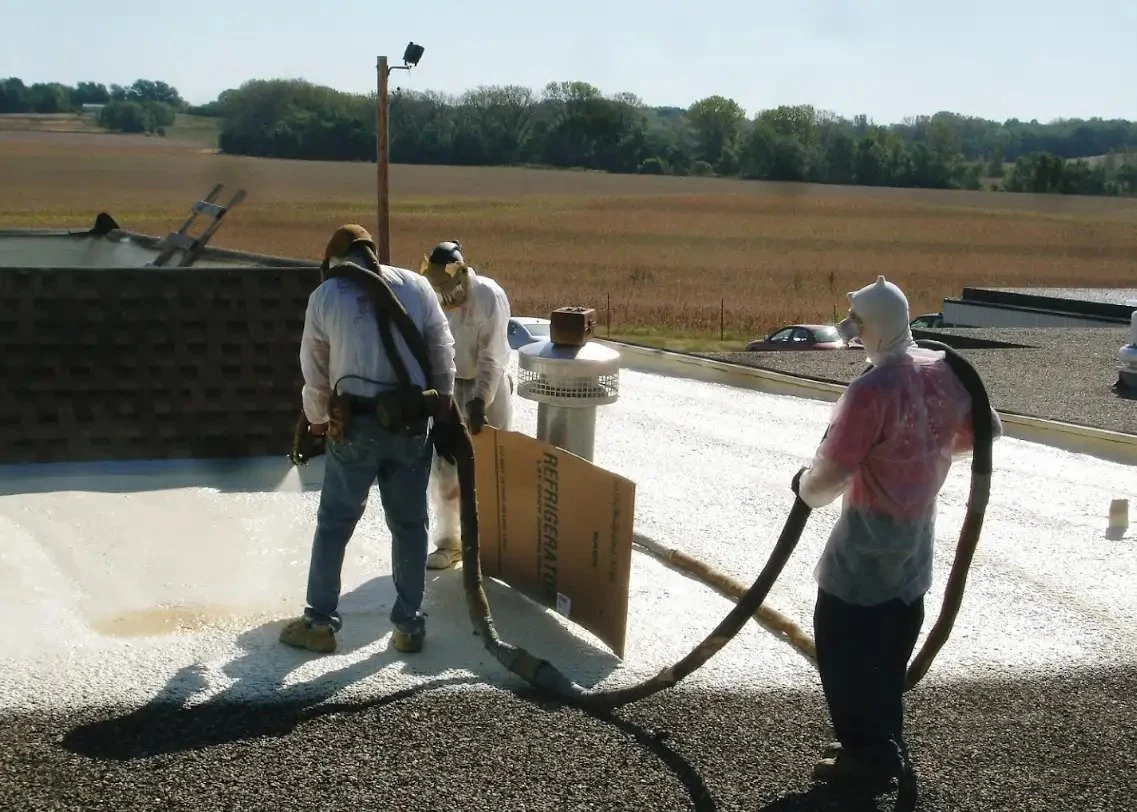
Spray Polyurethane Foam Roofing in Flint, MI
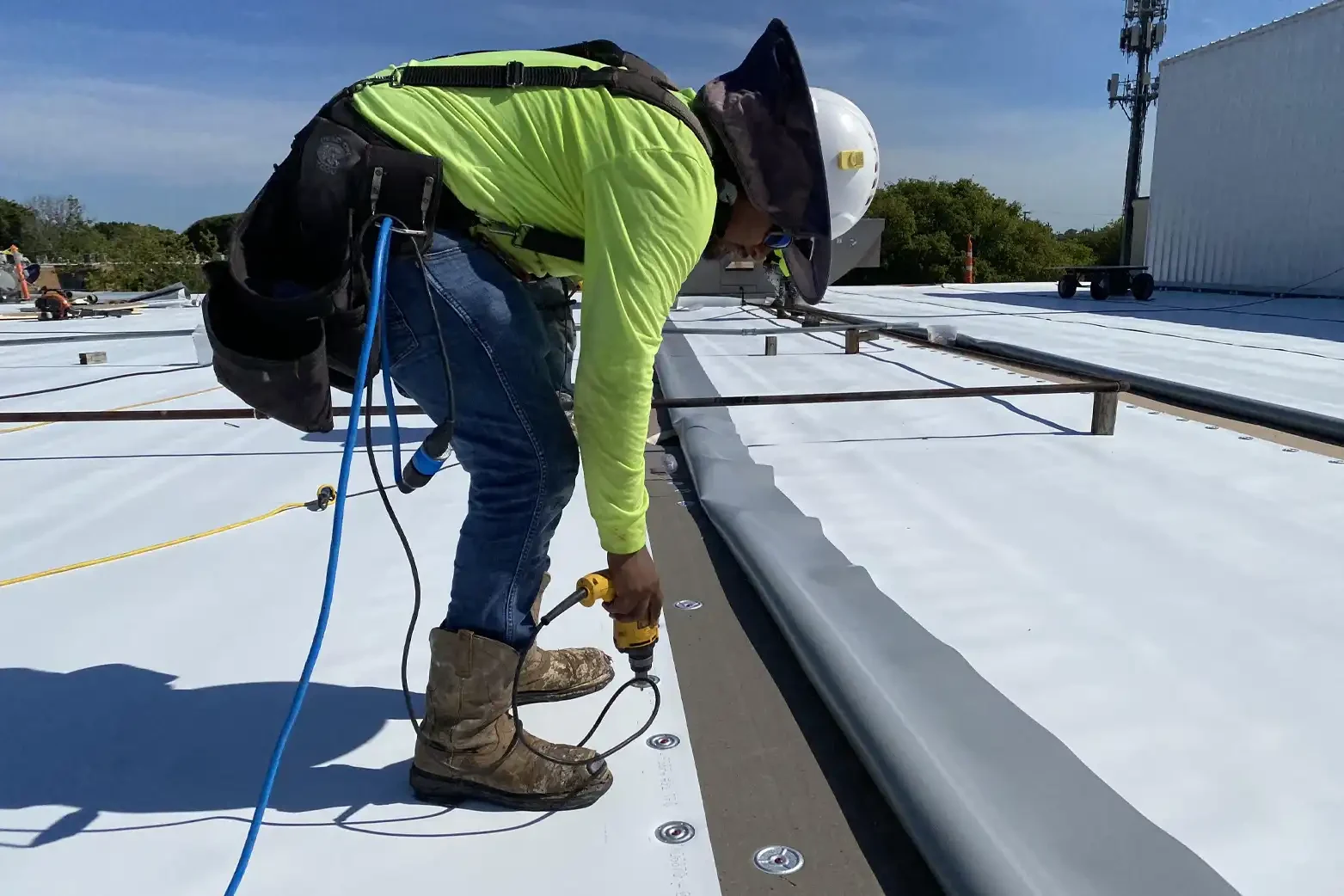
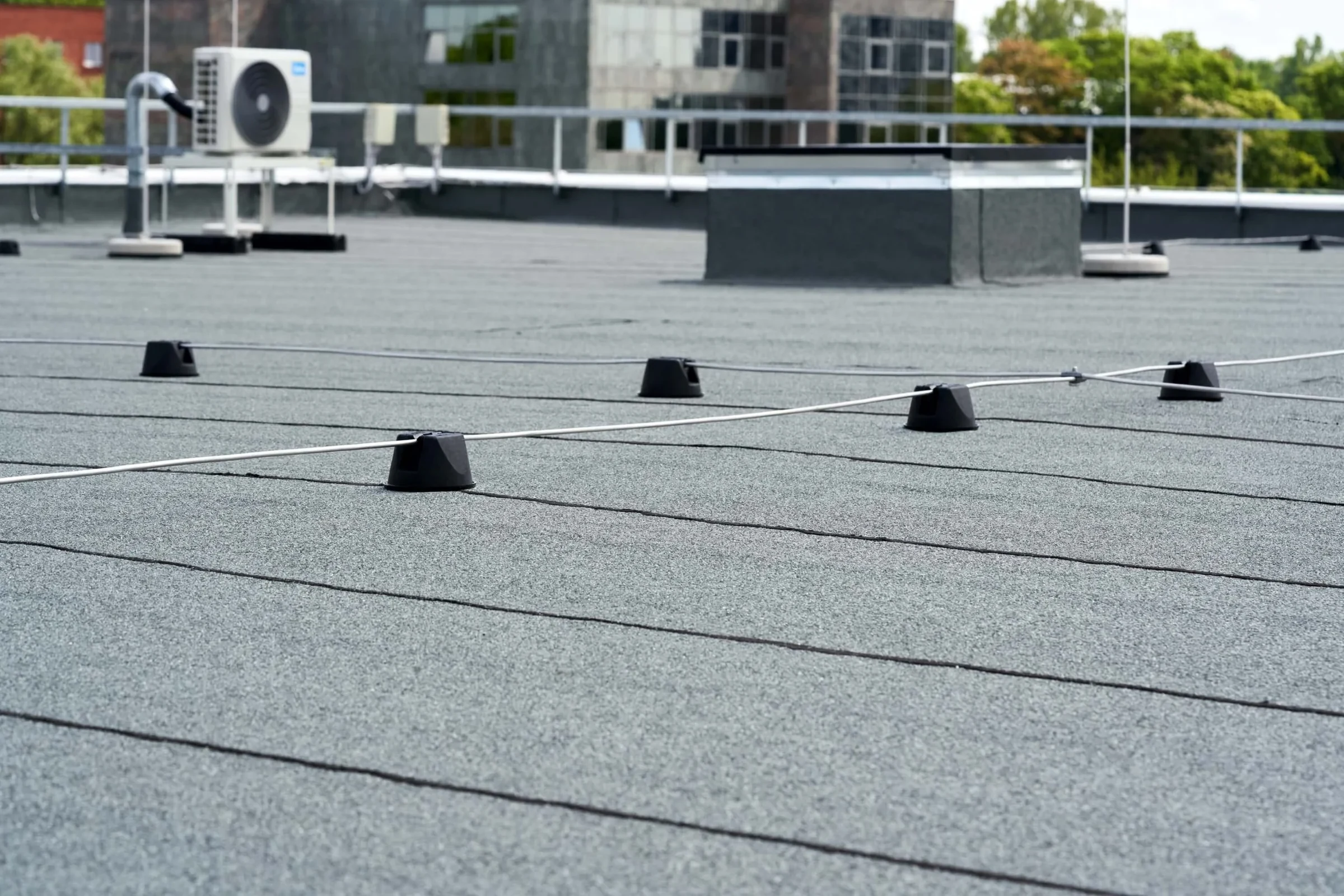
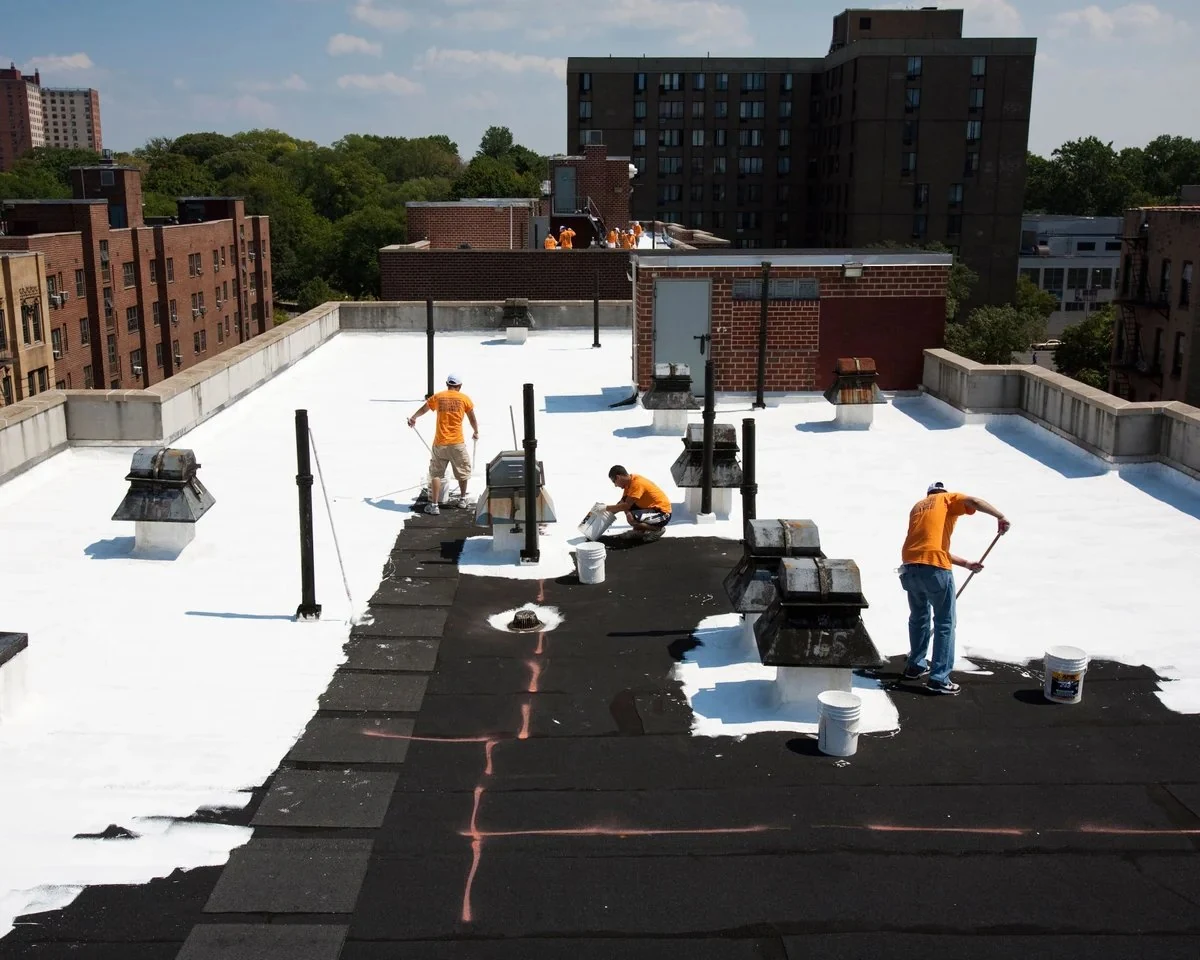
Spray Foam on the Roofs Where Shape Is the Real Problem
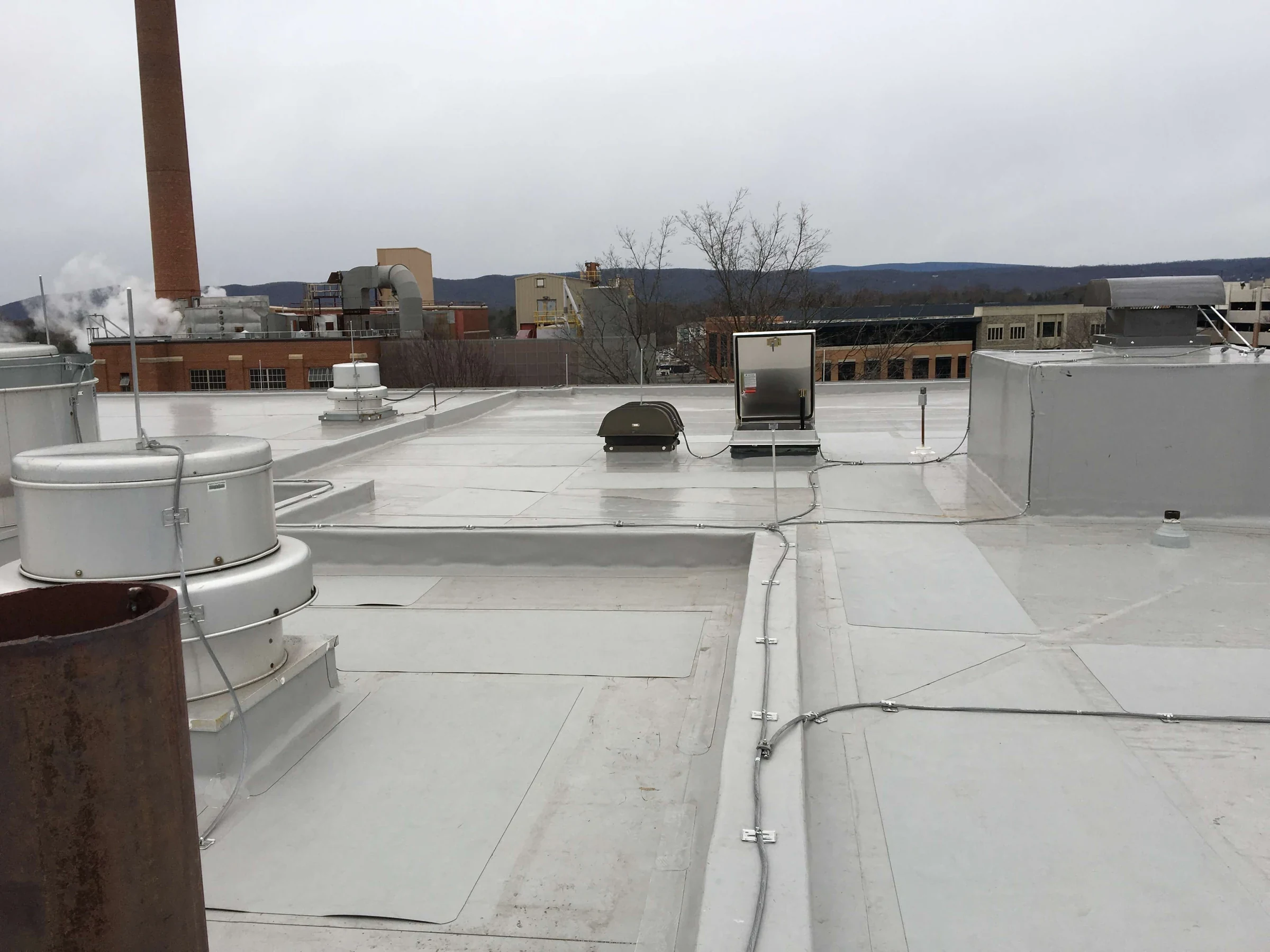
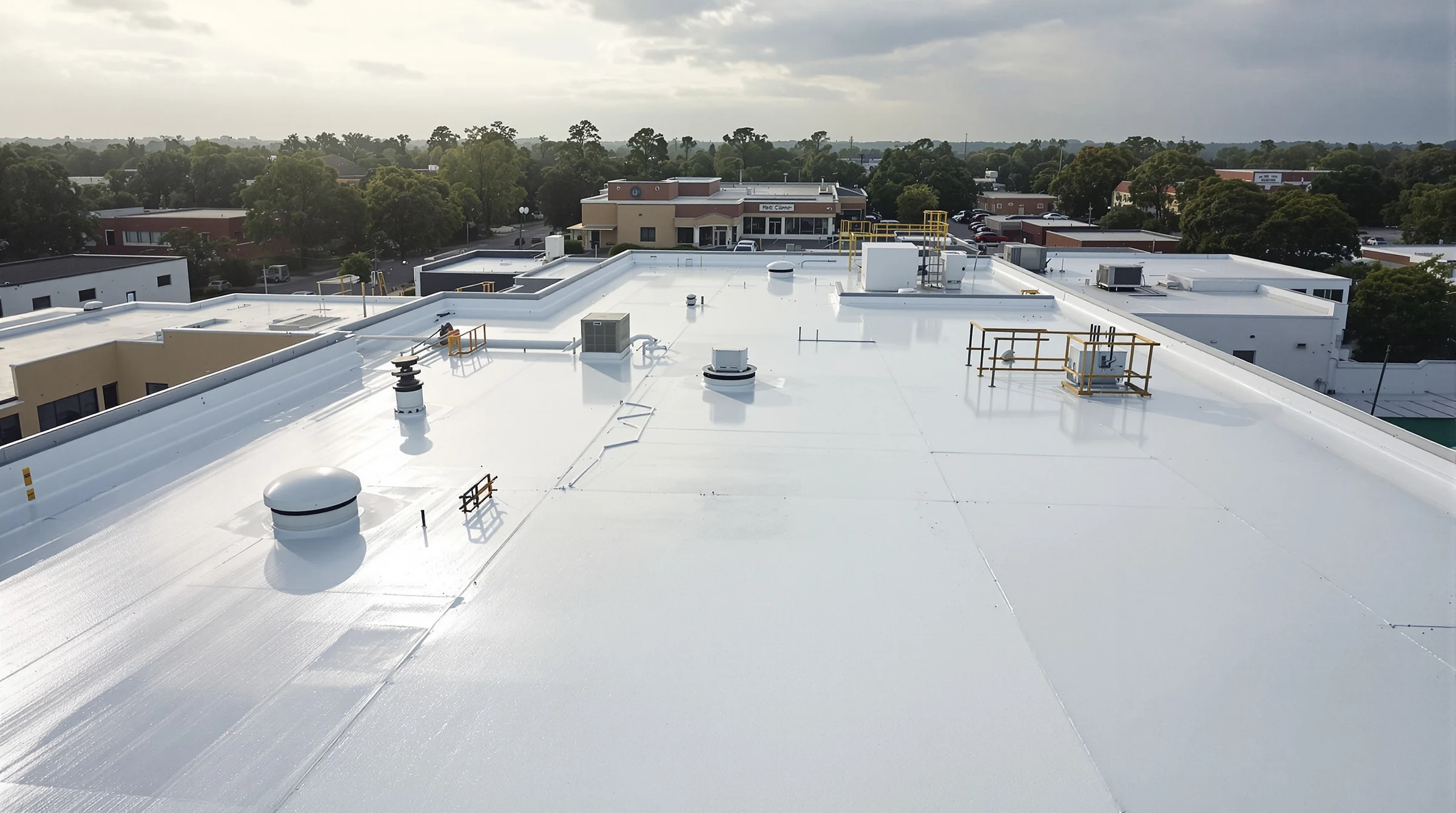
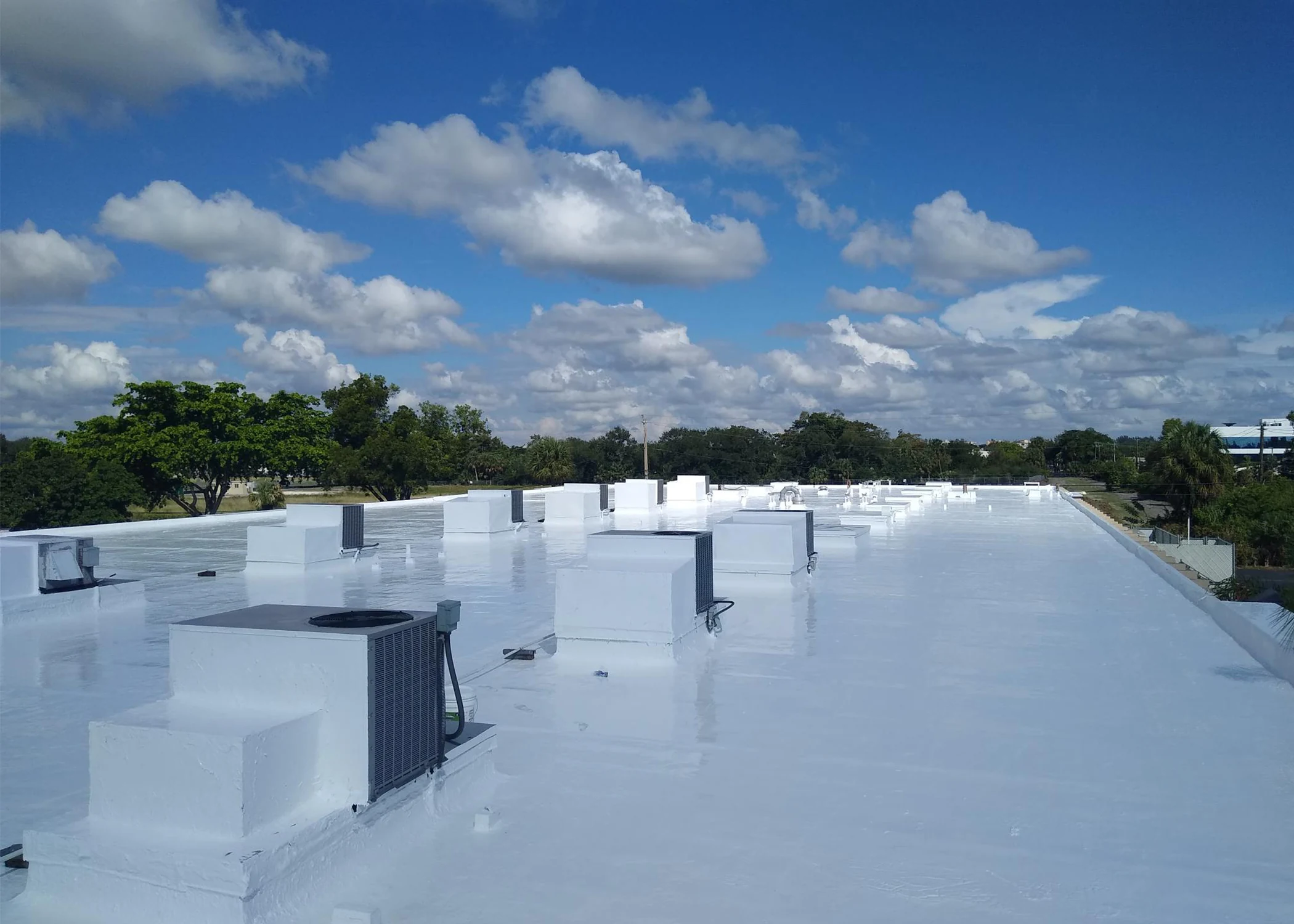
Spray polyurethane foam earns its place on the roofs other systems struggle with, buildings with irregular geometry, dozens of penetrations from decades of added equipment, and additions bolted onto additions. It self-flashes around obstacles that would otherwise mean a long list of custom detail work.
Where Foam Solves a Problem Other Systems Don't
A lot of Flint's older industrial and institutional buildings picked up rooftop equipment in stages over fifty or sixty years, exhaust stacks, conduit runs, old skylights, mechanical curbs added by whichever tenant occupied the building at the time. Sheet membrane handles that kind of roof with a long list of individually flashed penetrations. Foam flows around and seals to each obstacle as it's sprayed, which turns a complicated detailing job into one continuous applied surface.
We see foam requested most on repurposed manufacturing buildings near the old industrial corridors and on institutional roofs around the university campuses, where the roof shape and penetration count make a sheet-membrane bid balloon in both cost and risk.
Insulation Value Built Into the Membrane Itself
Unlike sheet membranes, which need separate rigid insulation board underneath, foam provides both the insulation and the waterproofing surface in one applied layer, sprayed to whatever thickness the R-value target requires. On a building with real heating cost exposure through a Michigan winter, that combined function can mean a meaningful improvement in the roof assembly's thermal performance compared to what was there before, without adding a separate insulation layer to the build-up.
That's a real practical benefit on older buildings around Genesee County that were originally built with minimal or no roof insulation at all, common on structures from the manufacturing era when heating costs weren't the design priority they are today.
The Recoat Cycle That Foam Depends On
Foam itself is not UV stable, it needs a protective coating, usually silicone or acrylic, applied over it and maintained on a recoat schedule for the life of the roof. Skipping recoats is the single most common reason a foam roof fails early: the foam degrades under direct sun exposure once the coating wears thin, and by the time that shows up as a leak, the damage is already done.
We build the recoat interval into the maintenance plan from day one, because a foam roof that's recoated on schedule can run decades, and one that isn't can fail well inside a typical membrane's warranty term.
Application Conditions and the Michigan Install Window
Foam has to be sprayed within a specific temperature and humidity range, and it can't go down on a wet deck or during precipitation, which narrows the practical application window in Michigan to the drier stretches of spring through fall. Wind is a factor too: overspray drift is a real concern on tighter urban sites, which affects how we sequence and mask a job downtown versus one on an open industrial lot.
We schedule foam jobs around forecast windows more tightly than membrane work, since a rained-on or humidity-compromised foam pour can trap moisture and blister rather than curing into a sound insulating layer.
- Coating thickness and coverage across the field
- Bird or wildlife damage to exposed foam areas
- Foot-traffic wear near service and access paths
- Penetration seal continuity at equipment bases
- Drainage and ponding at low points in the foam contour
- Recoat interval status against the maintenance schedule
Where Foam Is the Wrong Answer
Foam isn't the right spec everywhere. On a simple rectangular roof with few penetrations, sheet membrane usually costs less and needs less specialized maintenance discipline. We also steer owners away from foam on buildings where regular recoat maintenance isn't realistic, a foam roof that gets neglected degrades faster and less predictably than a neglected sheet membrane does.
We tell owners this up front even when it costs us the job, because a foam roof sold to a building or an owner that isn't set up to maintain it ends up as a callback we could have avoided by recommending membrane in the first place.
Inspection and Maintenance on a Sprayed Roof
Foam roof inspections focus on coating thickness and coverage, since that's the layer actually protecting the insulation-and-waterproofing foam underneath. We check for bird pecking, mechanical damage from foot traffic, and any spot where the coating has thinned enough to expose foam directly to UV, catching those areas before they become active leak points.
We document coating thickness readings at consistent survey points every visit, so a thinning trend over several years shows up clearly instead of being judged from memory or a single visual impression during a walk-through.
Spray Foam Roofing Questions From Building Owners
Why would I choose foam over a standard membrane roof?
Foam makes the most sense on roofs with complicated geometry or a lot of penetrations, where it seals around obstacles as a continuous surface instead of requiring individual flashing at each one. On a simple roof shape, membrane is usually the more cost-effective choice.
Is spray foam roofing durable in Michigan winters?
Yes, when it's properly coated and maintained on schedule. The foam itself needs a UV-protective coating to hold up long-term, and that coating, not the foam, is what stands between the roof and weather exposure.
What happens if a foam roof isn't recoated on time?
The coating thins under UV exposure and the foam underneath starts degrading once it's directly exposed to sunlight. That's the most common cause of early foam roof failure, and it's preventable with a maintained recoat schedule.
Does spray foam actually improve a building's insulation?
Yes. Foam provides both insulation and a waterproofing surface in a single applied layer, sprayed to the thickness needed for the target R-value, which can meaningfully improve thermal performance compared to an older, undersized roof assembly.
Can foam be applied over my existing roof without tearing it off?
Often yes, if the existing surface is clean, dry, and structurally sound enough to serve as a substrate. We inspect and, where needed, prep the existing roof before spraying rather than assuming every substrate is foam-ready.
Related
Ready to review the roof scope?

Let’s Talk About Your Commercial Roof
Share the building, roof history, known leaks or damage, access constraints, and schedule. We’ll start with the roof condition and the facility below it.