
Commercial Roofing for Government and Public Sector in Flint, MI
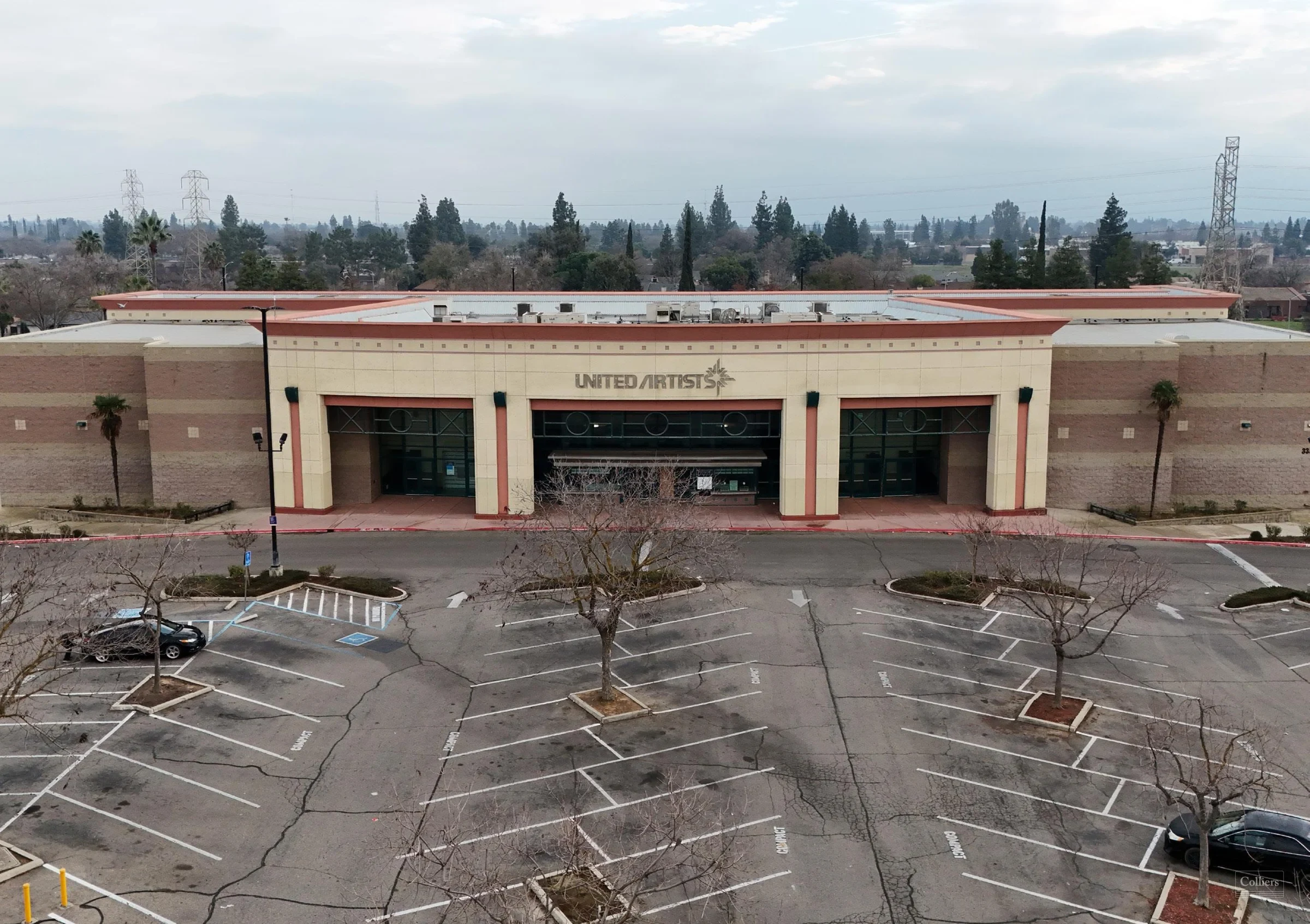
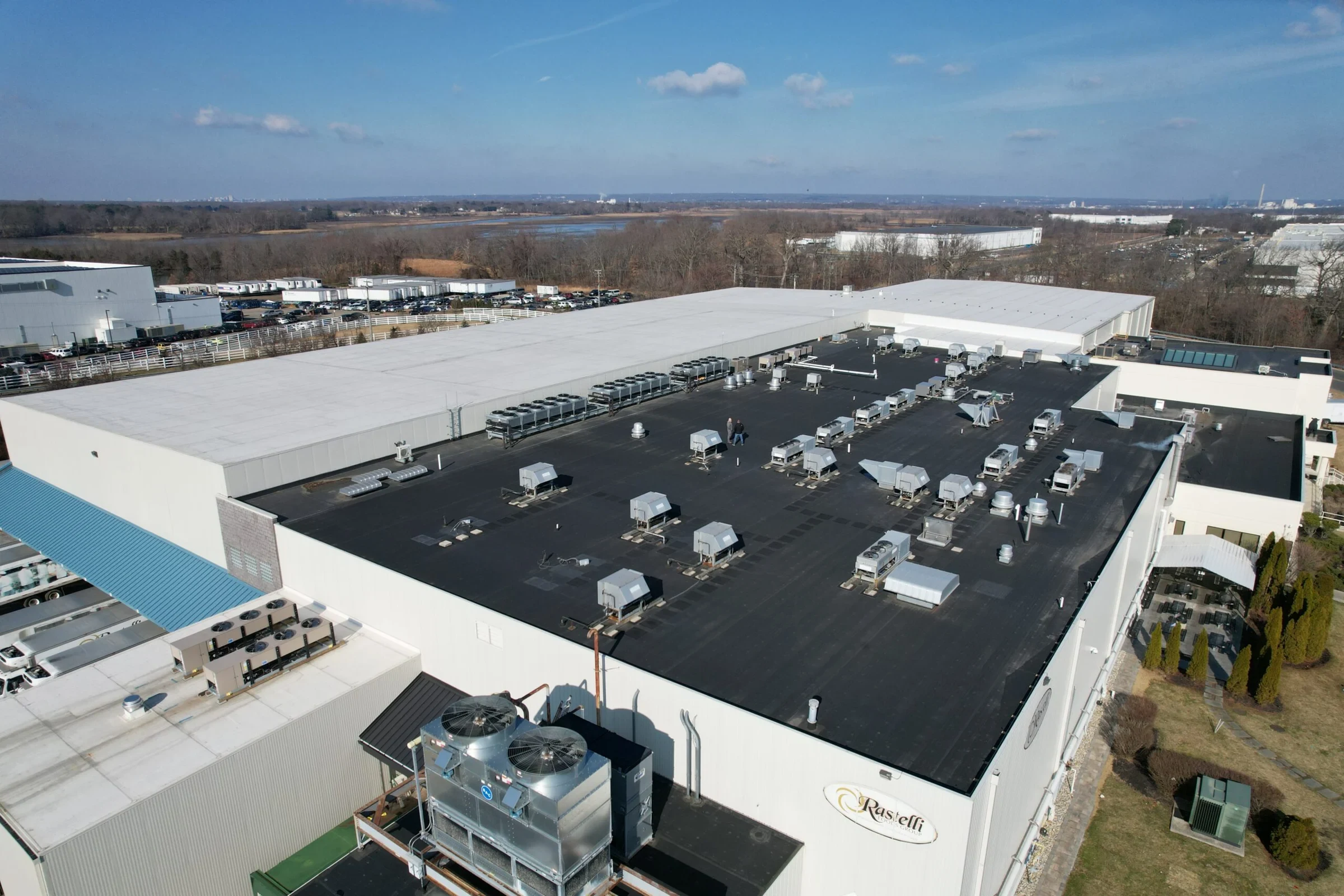
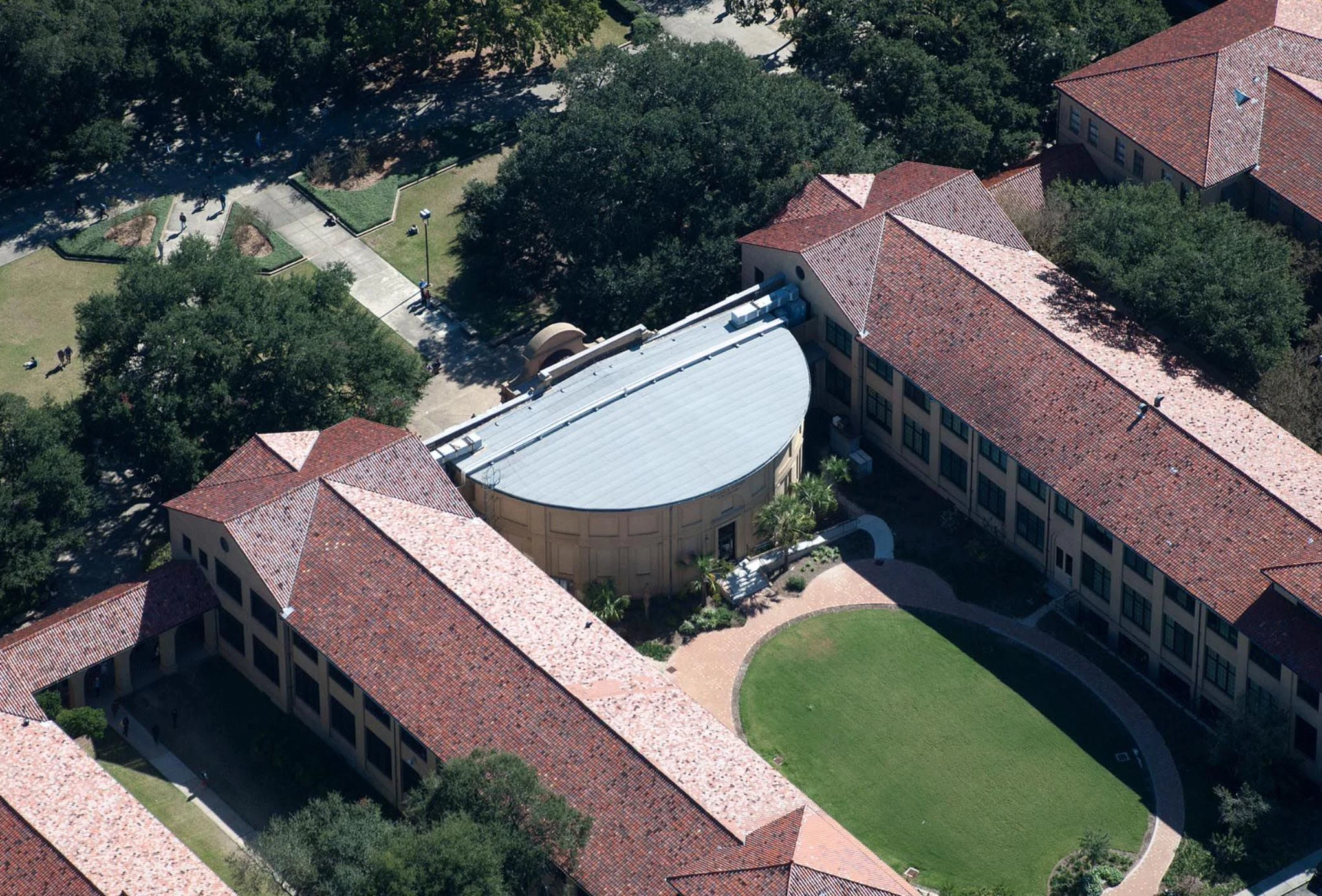
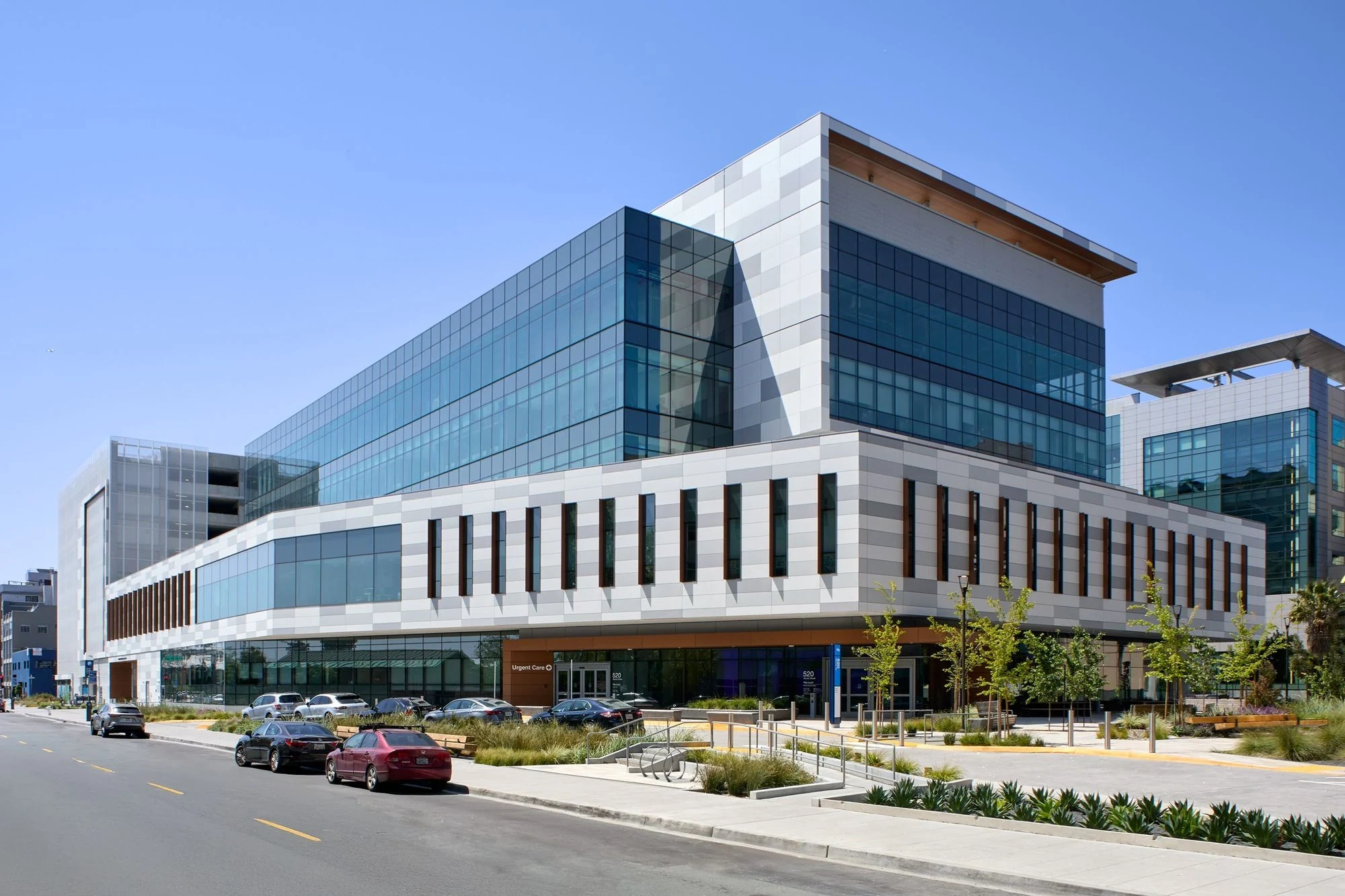
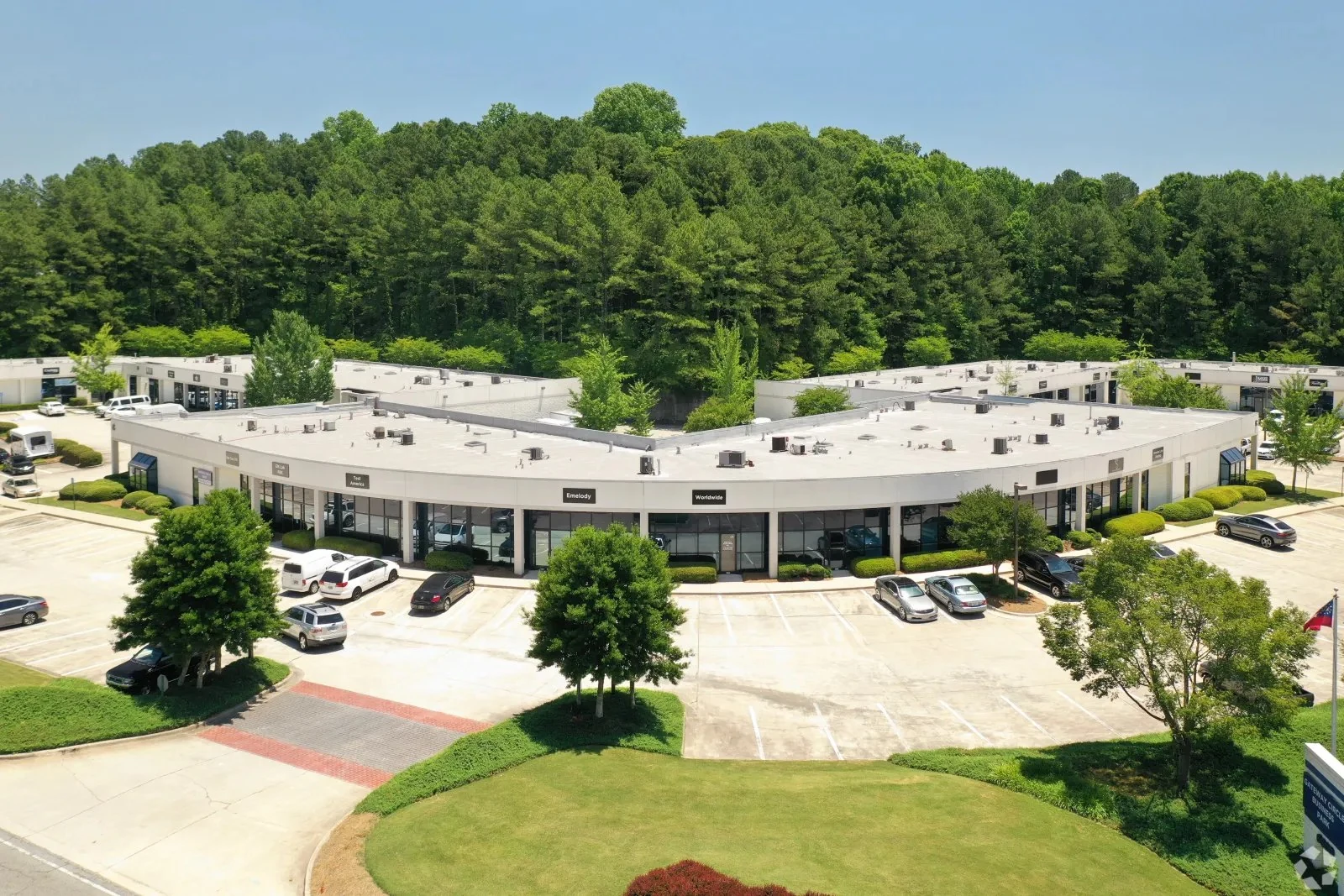
Roof Work on Genesee County's Municipal and Public Buildings
Genesee County's public building stock, county offices downtown, city facilities, and the township halls spread across Burton, Flint Township, Davison Township, Mount Morris Township, and the rest of the county's 28 communities, is old and mostly running on maintenance budgets rather than replacement budgets. We work inside that reality: practical scope, honest pricing, and paperwork that fits a public procurement process.
Aging Municipal Buildings on Tight Budgets
Most public buildings we inspect in this county are carrying original or once-recovered roofs from decades ago, with maintenance funded year to year rather than through a dedicated capital reserve. That usually means the right answer is a targeted repair or a recover rather than a full replacement, at least until the building's condition or budget cycle points clearly toward tear-off.
We give facilities managers a straight answer on which path makes sense for a given roof and budget year, instead of defaulting to the most expensive option because it's easier to spec. That distinction, repair versus recover versus full replacement, is usually the single most consequential decision a public facilities manager makes on a roof, and we lay out the tradeoffs in plain terms rather than a sales pitch toward the largest project.
Township and City Halls Across the County
A lot of Genesee County's local government and municipal roofing stock is modest in size, township halls, small city offices, road commission buildings, each with its own roof and its own limited maintenance budget. These jobs tend to be smaller in scope than a school or hospital project, but they still need the same level of documentation and code compliance a larger public building requires.
Bid and Procurement Process Fluency
Public building roofing work usually runs through a formal bid or quote process, with scope-of-work documentation that has to hold up to review. We write specific, itemized scope language rather than vague line items, which makes it easier for a public works director or township supervisor to compare bids and defend the selection to a board or council.
- Itemized scope-of-work suitable for a public bid package
- Phased repair options that fit within a single fiscal year
- Photo documentation for capital-improvement planning
- Emergency leak response for occupied public buildings
- Direct coordination with facilities or public works staff
- Warranty documentation kept on file for public records
Public Safety and Essential Buildings Can't Wait
Fire stations, DPW garages, and road commission equipment buildings run on a different clock than a typical office building, since they're operational at all hours and often house apparatus or equipment that can't tolerate water intrusion. We treat leak calls at these buildings as a priority, given what's usually parked or stored underneath the roof deck.
Salt storage and vehicle maintenance buildings in particular tend to have unusual roof conditions from years of exposure to corrosive materials and heavy equipment traffic, which we account for separately from a standard office roof inspection. Road commission facilities in Genesee County also see more overhead crane and equipment movement inside the building than a typical municipal office, which changes how we plan access and staging for any roof work above.
Planning Roof Work Around a Fiscal-Year Budget
Public budgets close and open on fixed dates, and a roof project that slips past a fiscal-year deadline can mean waiting another year for funding. We build our proposals and timelines with that constraint in mind, and where a project's scope is larger than one year's budget can absorb, we'll lay out a phased plan that a township board or city council can approve in pieces.
We also account for the review timeline a public project usually requires, board meeting schedules, sign-off from a township supervisor or city administrator, and any competitive-quote thresholds that apply, so the proposal we submit reflects a schedule that's actually achievable inside the local approval process rather than a private-sector timeline.
Roofs on Vacant and County-Held Properties
Genesee County's local government also ends up responsible for a share of vacant and tax-foreclosed commercial buildings that pass through county or land bank ownership before resale or demolition. Roofs on these properties are often in worse condition than an occupied building's, since deferred maintenance is usually what put the property in that position to begin with. We can provide condition assessments on these properties to support a disposition or stabilization decision, scoped to what the situation actually calls for rather than a full commercial specification on a building that may not stay in public hands.
Questions From Genesee County Public Facilities Staff
Can you provide pricing that fits our bid or quote process?
Yes, we write itemized scope documentation suitable for public procurement review and comparison against other bids.
Do you work on smaller buildings like township halls?
Yes, township and small municipal buildings make up a regular share of our public-sector work, scoped appropriately to their size and budget.
How quickly can you respond to a leak at a fire station or DPW building?
We prioritize leak calls at public safety and essential-service buildings given the equipment and apparatus these buildings typically house.
Can a roof project be split across multiple fiscal years?
Yes, we regularly propose phased plans that let a board or council approve work in pieces that fit successive budget cycles.
Do you provide documentation for capital-improvement plans?
Yes, photo documentation and written condition assessments are standard on public building inspections and support longer-range capital planning.
Related
Ready to review the roof scope?
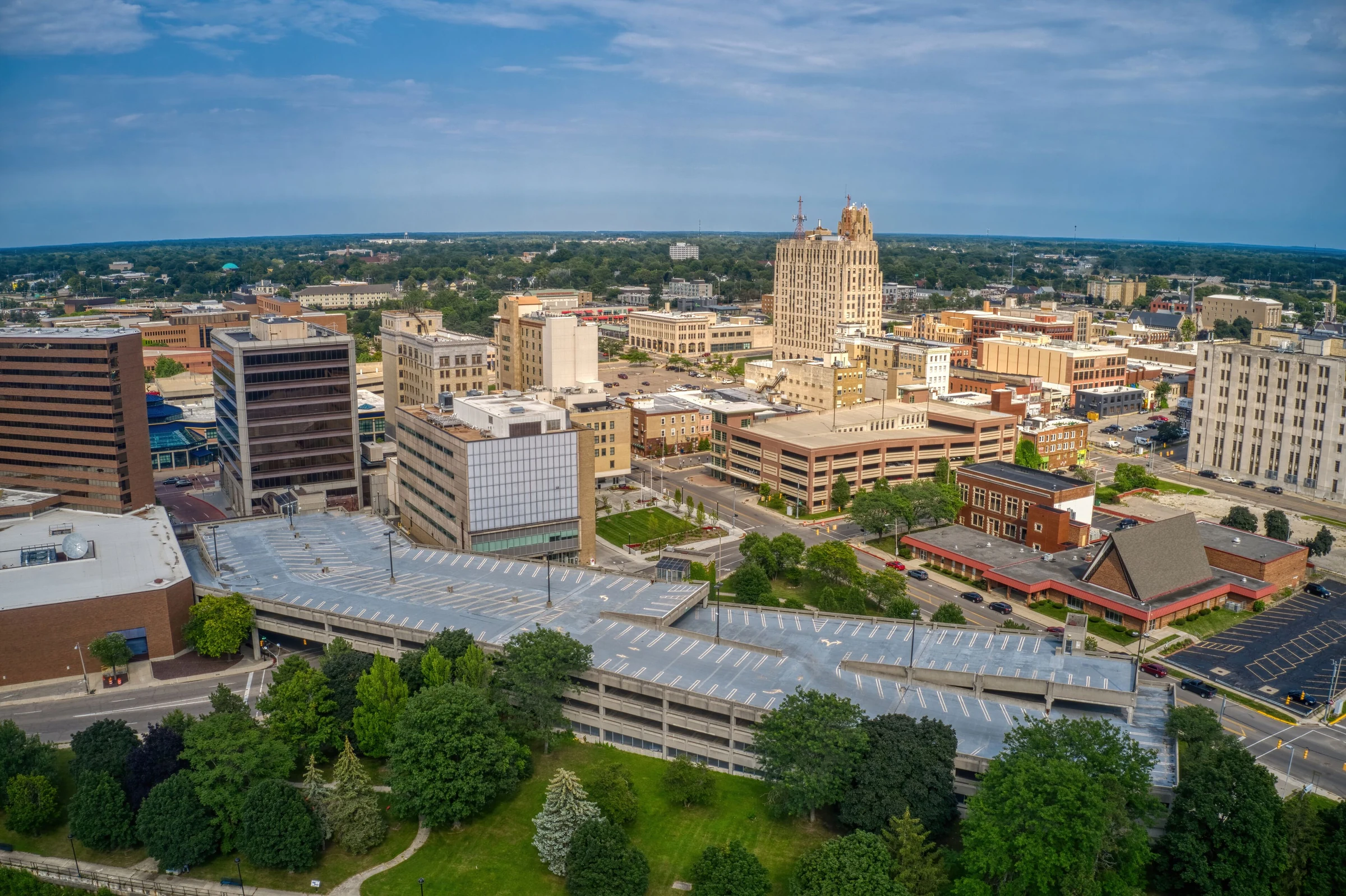
Let’s Talk About Your Commercial Roof
Share the building, roof history, known leaks or damage, access constraints, and schedule. We’ll start with the roof condition and the facility below it.