
Edge Metal, Coping & Gutter Repair in Flint, MI
Edge Metal and Coping Failures That Start Small and Spread Fast
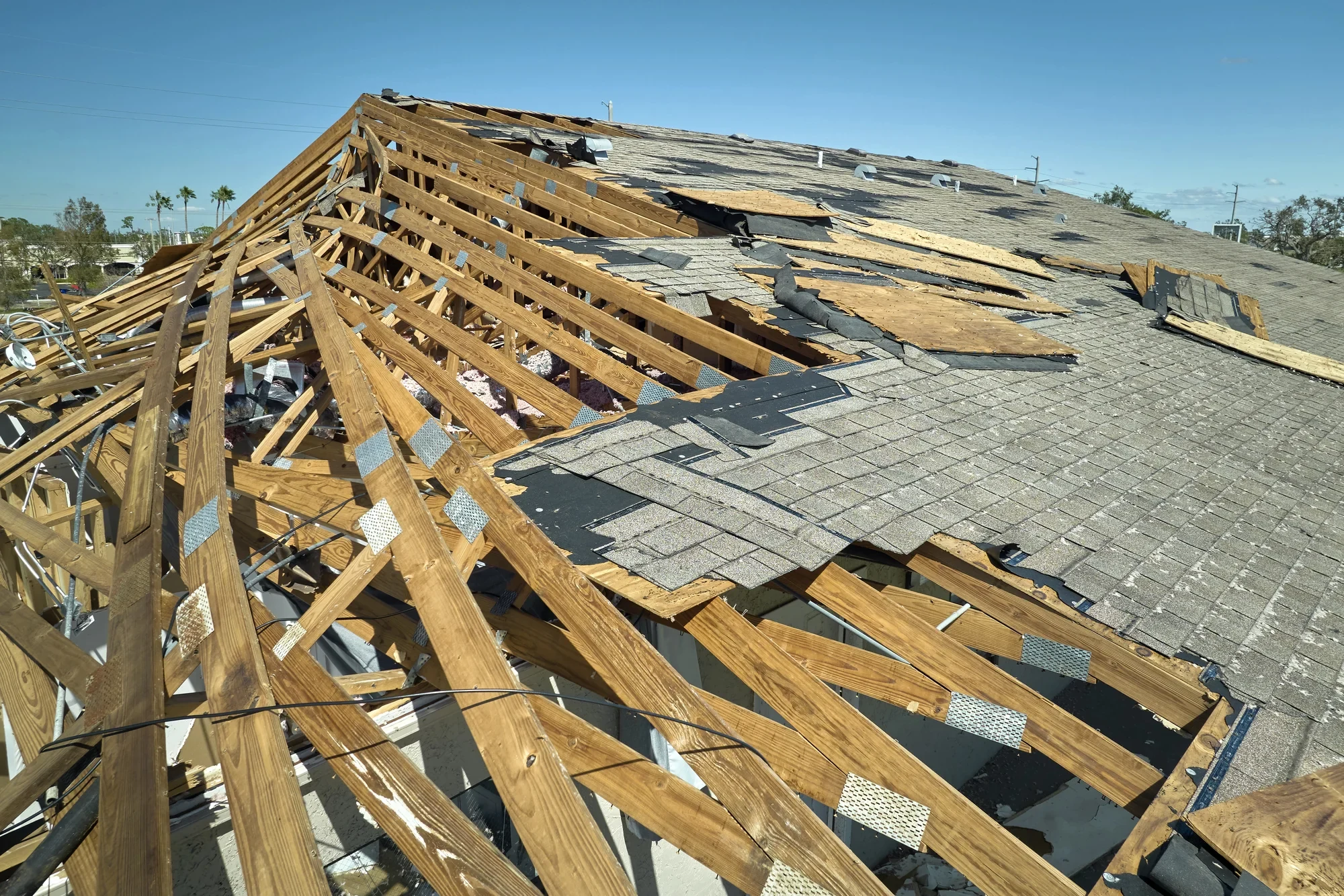
More roof failures start at the edge than in the field of the membrane. Edge metal, parapet coping, and gutter systems take the brunt of wind uplift and water shedding on a commercial roof, and once a seam or fastener lets go at the perimeter, the damage doesn't stay contained to that one spot for long.
Why Edges Fail Before the Field Does
Wind pressure concentrates at roof corners and edges more than anywhere else on a flat or low-slope roof, which is basic wind uplift physics, not a defect specific to any one building. Edge metal and coping are the first line holding the membrane down at that stress point, so fastener spacing and cleat engagement matter more here than almost anywhere else on the roof.
Older buildings around Genesee County, particularly ones near open corridors like US-23 and I-75 with fewer windbreaks, often have edge metal that was fastened to a spec that's outdated by current wind uplift standards, which is one of the more common issues we find during inspection that isn't obvious just looking at the roof from the ground.
Coping Specifically: A Small Detail With Outsized Consequences
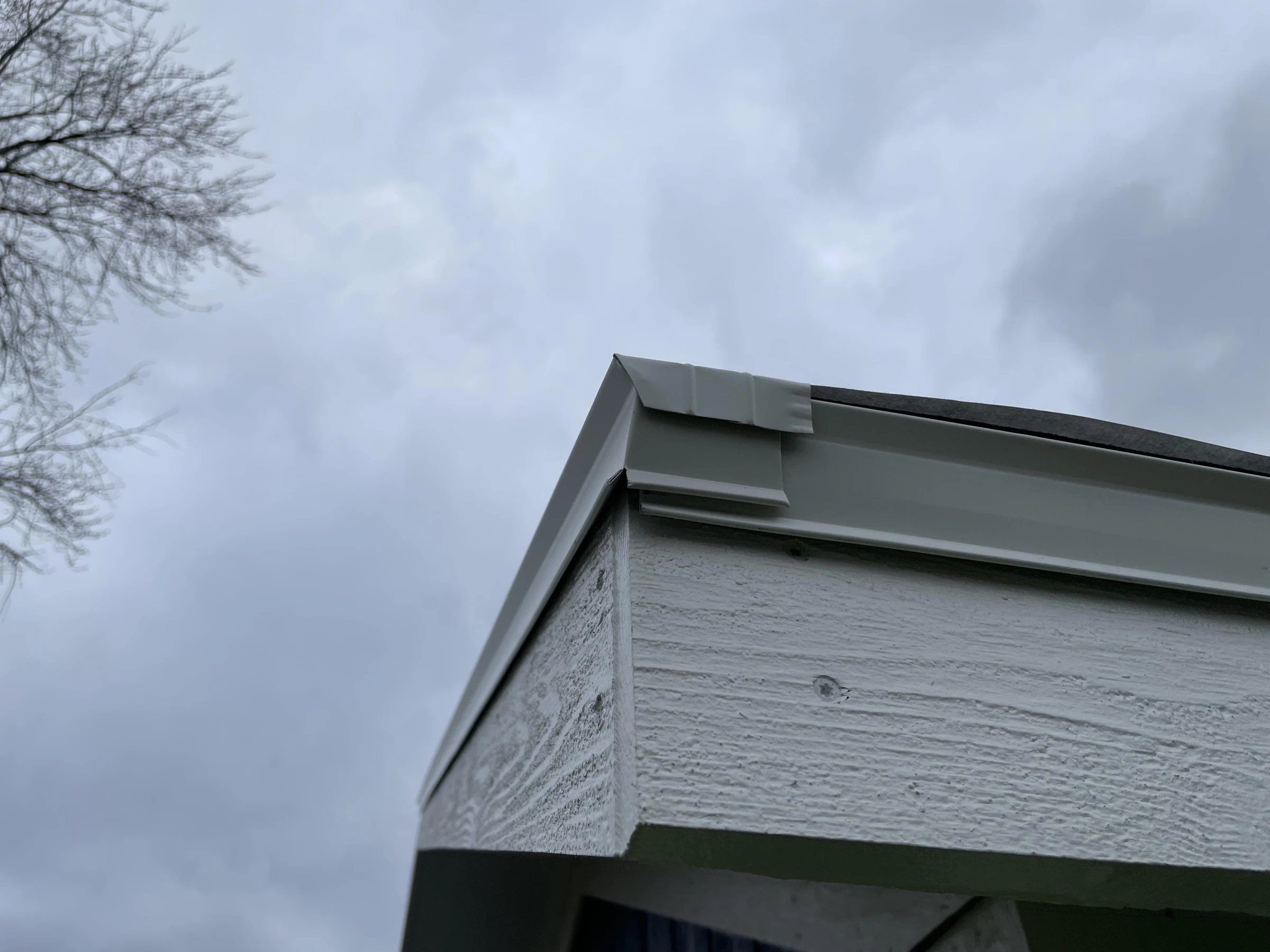
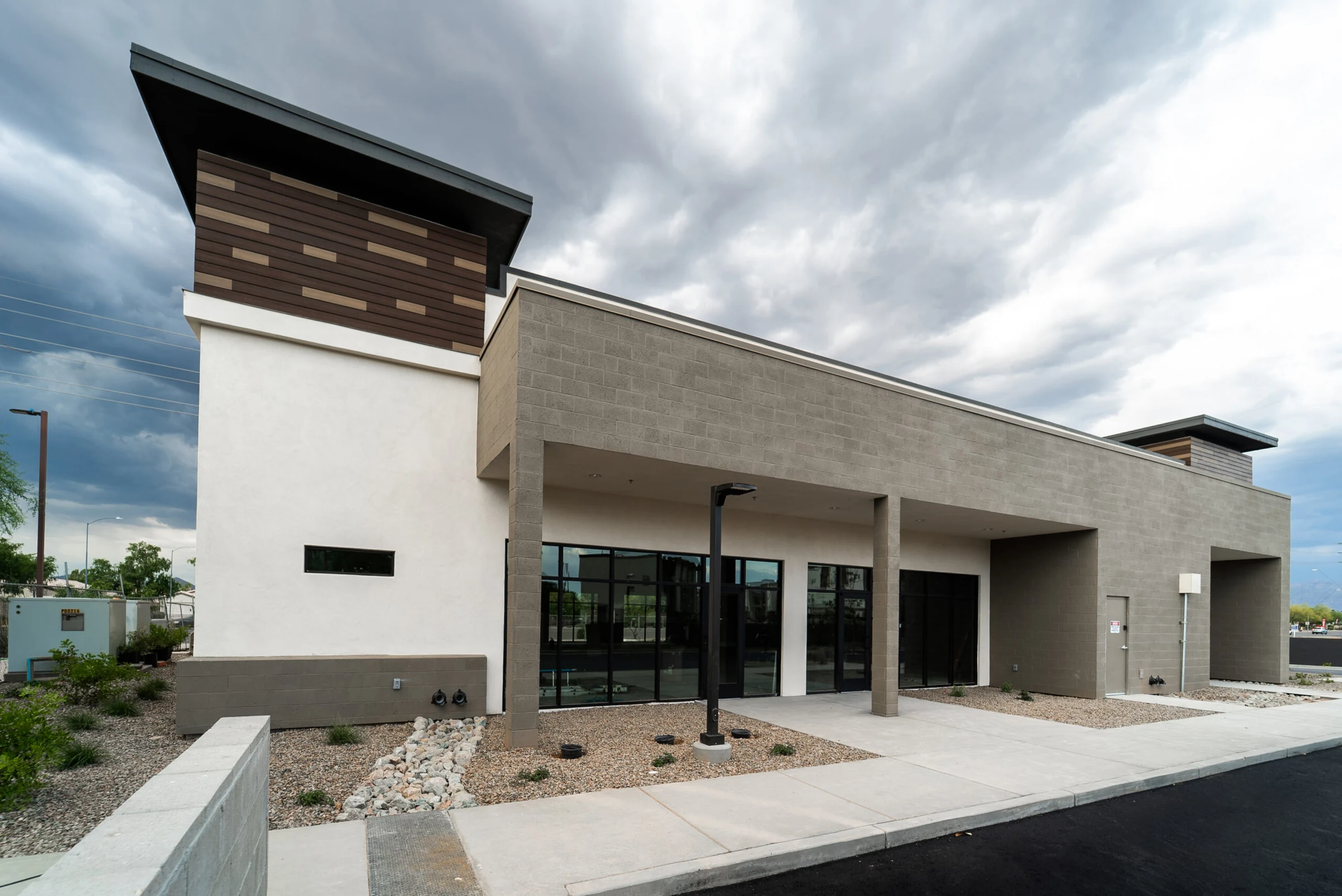
Parapet coping caps the top of a wall and sheds water away from both the roof side and the building face, and when a coping seam or end cap fails, water gets behind it and runs down inside the wall assembly rather than off the roof. That kind of failure can go unnoticed for a long time because the visible symptom, interior staining several floors down, looks unrelated to the roof.
On older downtown Flint buildings with taller parapet walls, we see this pattern more than on single-story retail boxes, simply because there's more wall height and more coping seam length for water to find a way through.
Gutter and Downspout Systems on Commercial Roofs
Not every commercial roof has exterior gutters; a lot of flat roofs drain internally. But buildings with sloped sections, canopies, or older construction often do, and those systems need the same attention as the roof membrane itself. Undersized or clogged gutters back water up onto the roof edge, which stresses the same edge metal and coping details already under wind load.
Debris load is a bigger factor here than people expect, especially on buildings near tree cover in areas like Grand Blanc or Fenton, where leaf and seed debris clogs gutters seasonally and creates standing water at the roof perimeter that has nowhere to go.
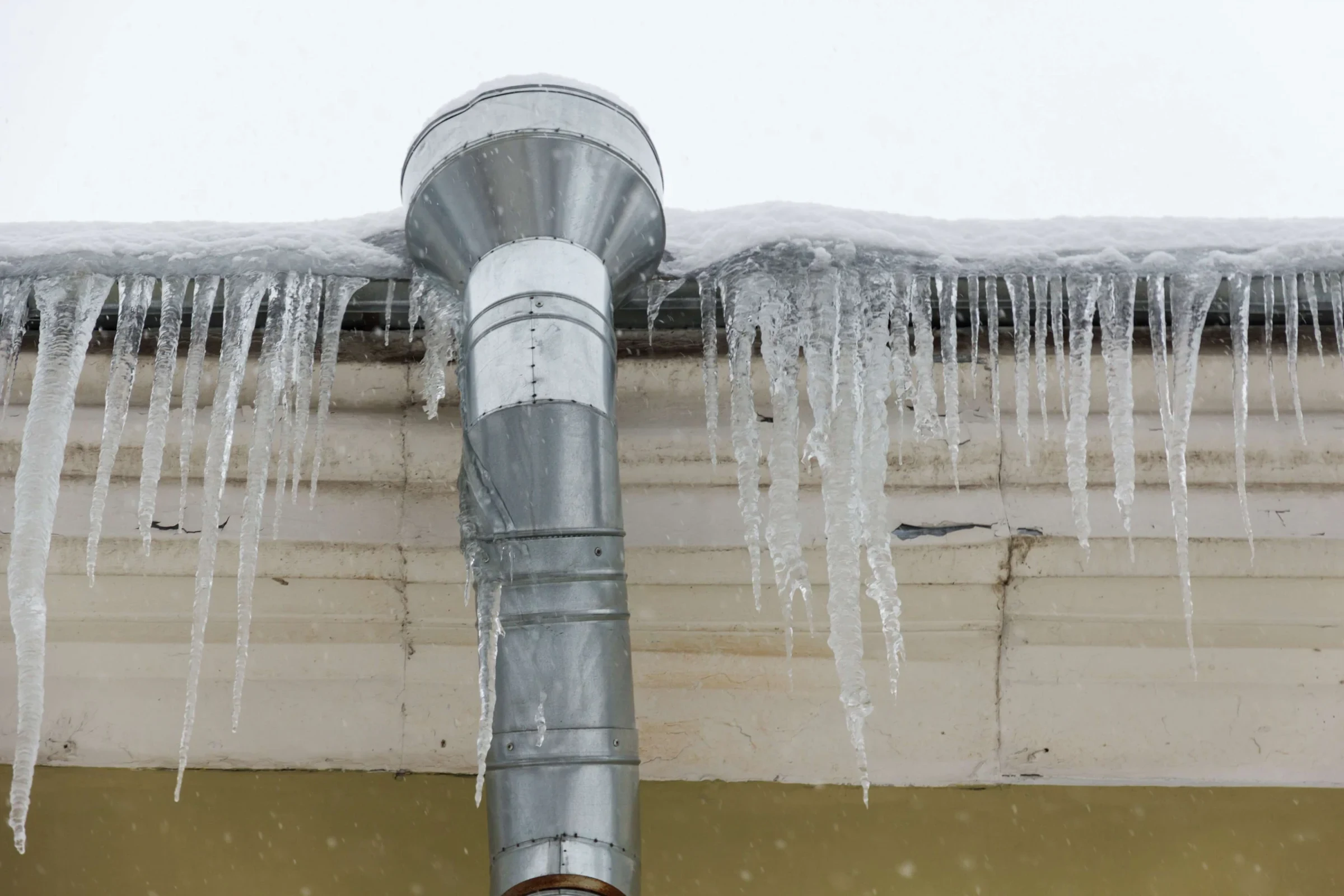
Ice is the other seasonal factor specific to this region. A gutter or downspout that freezes solid during a cold snap stops draining entirely, and meltwater from the roof above has to go somewhere once it can't move through a blocked gutter, which often means it backs up under the roof edge instead.
What We Check During an Edge Metal and Coping Inspection
A perimeter-focused inspection covers more ground than it sounds like, because the failure points repeat at predictable spots:
- Fastener spacing and cleat engagement along edge metal runs
- Coping seams, end caps, and miters at wall corners
- Sealant condition at all coping and edge metal joints
- Gutter and downspout clogging or undersizing relative to roof drainage load
- Corrosion at metal-to-metal contact points, especially on older galvanized systems
Any one of these on its own might not be urgent, but on an older roof several of them showing up together usually means the entire perimeter detail needs attention rather than a spot repair.
Repair Versus Full Replacement of Edge Systems
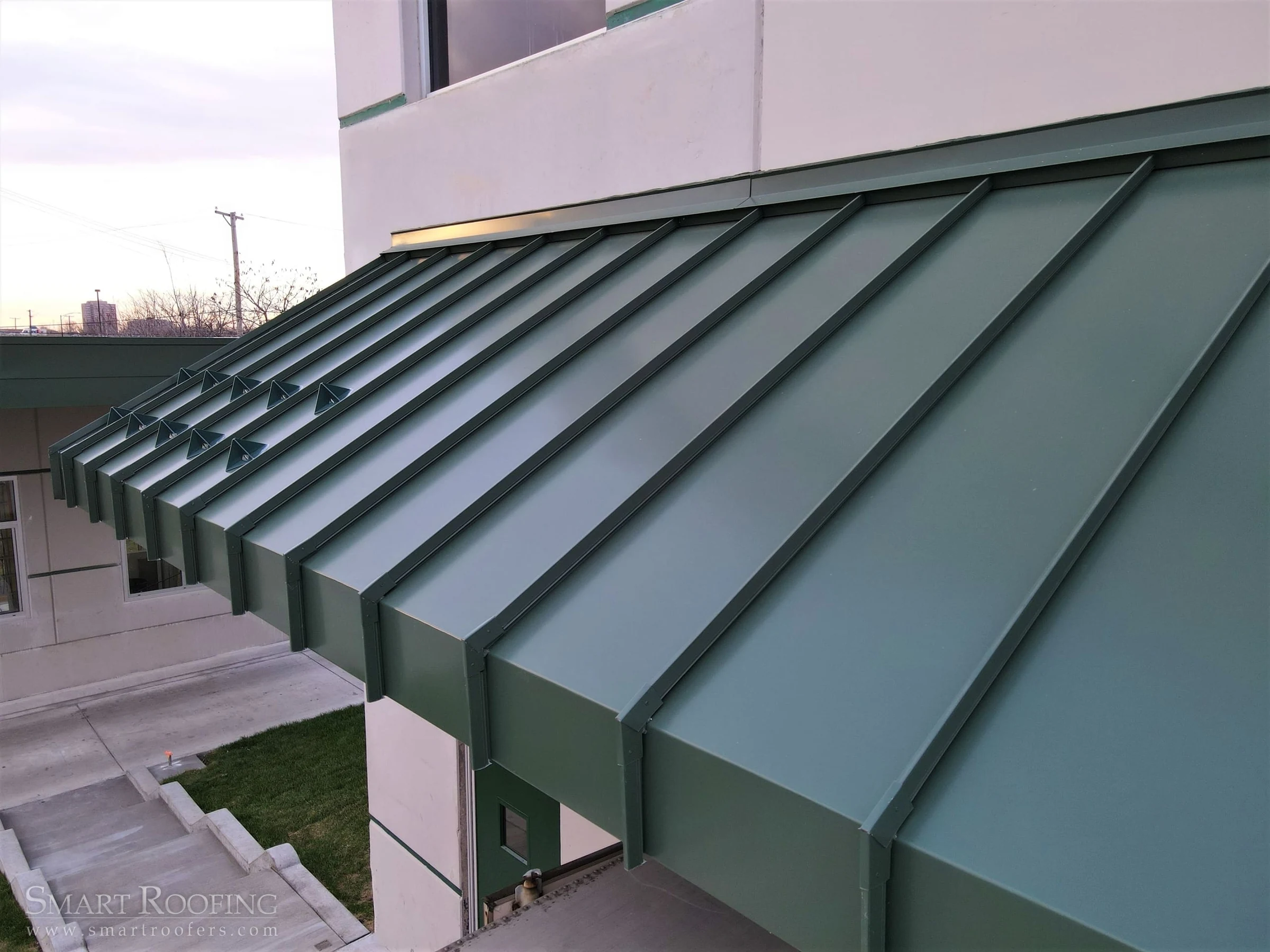
A single loose section of edge metal or a failed coping seam is a straightforward repair. But edge metal that's corroded through in multiple locations, or coping that's been through enough wind cycles to have loosened fasteners across long runs, usually needs full replacement of that perimeter section rather than piecemeal fixes.
We tie edge metal and coping condition into our broader roof inspection findings, since perimeter condition is one of the clearest indicators of how a roof will hold up in the next significant wind event, regardless of how the field membrane looks.
Matching Edge Metal Gauge and Fastening to Building Exposure
Not every roof edge needs the same fastening spec. A single-story retail box tucked between other buildings downtown sees less wind exposure than a standalone warehouse out along an open corridor, and we adjust edge metal gauge, fastener count, and cleat spacing to match actual exposure rather than defaulting to the minimum spec on every job.
On corner sections and building ends, where wind pressure is highest regardless of overall exposure, we typically tighten fastener spacing beyond what the field-of-roof edge requires, since that's consistently where we see the earliest signs of loosening on roofs we've inspected repeatedly over several years.
Edge Metal and Coping Questions We Get
How do I know if my roof's edge metal is undersized for wind exposure?
It usually takes a hands-on inspection checking fastener spacing and cleat engagement against current wind uplift requirements, since older buildings were often fastened to standards that have since changed.
Can a coping failure cause interior damage far from the roof?
Yes, and it's one of the more misleading failure types because water can travel down inside a wall assembly and show up as staining well below the roofline, making it look unrelated to the roof at first.
Do all commercial roofs need exterior gutters?
No, many flat roofs drain internally through interior drains and scuppers instead. Gutters matter most on sloped sections, canopies, and certain older buildings.
How often should edge metal and coping get checked?
At minimum during any regular roof inspection, and always after a significant wind event, since these are the components most likely to take the initial damage.
Is edge metal repair usually cheaper than people expect?
A single-section repair is generally modest compared to membrane work. It's when corrosion or fastener failure shows up across multiple long runs that the scope, and cost, grows toward full perimeter replacement.
Related
Ready to review the roof scope?
Let’s Talk About Your Commercial Roof
Share the building, roof history, known leaks or damage, access constraints, and schedule. We’ll start with the roof condition and the facility below it.