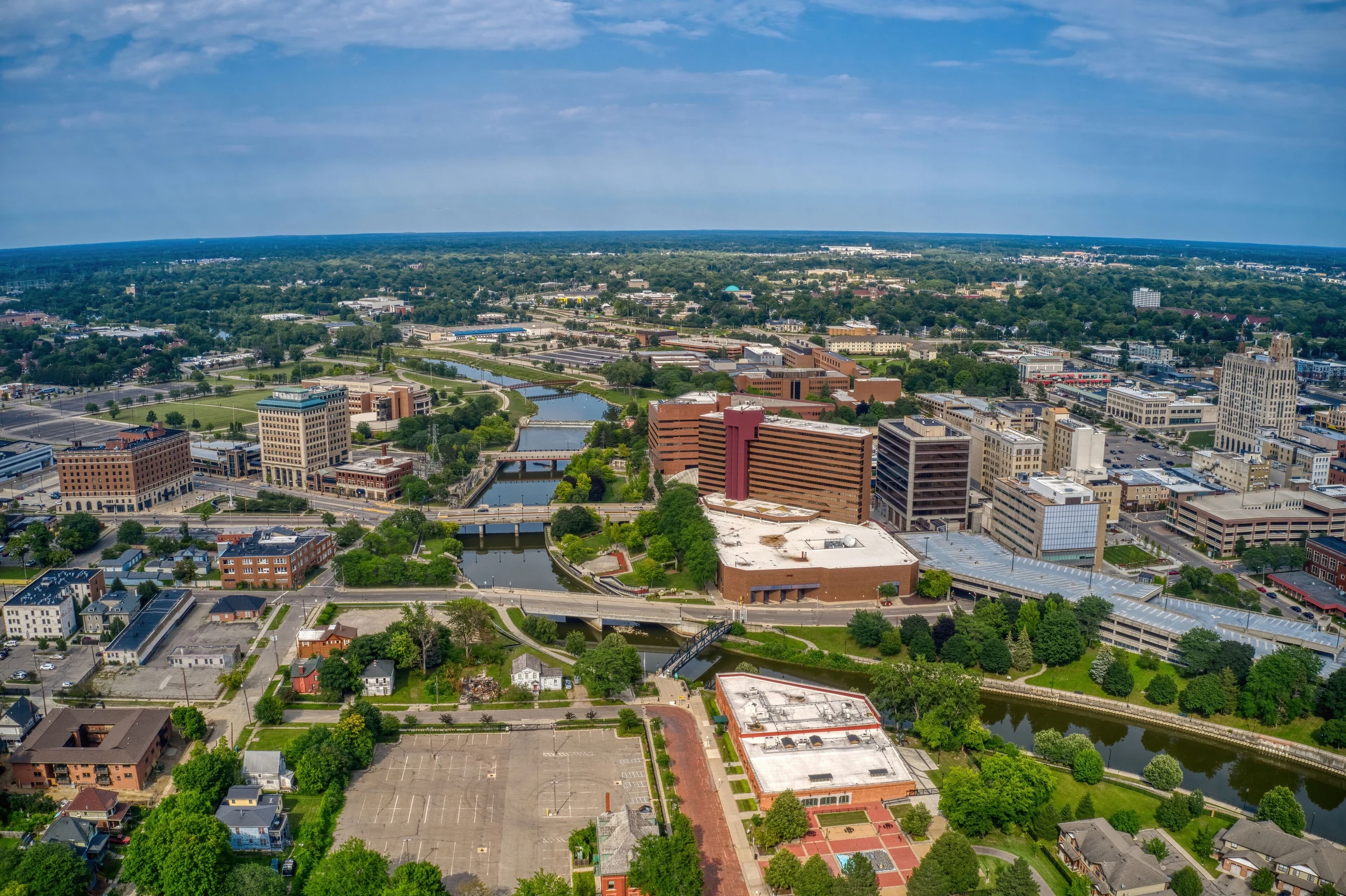

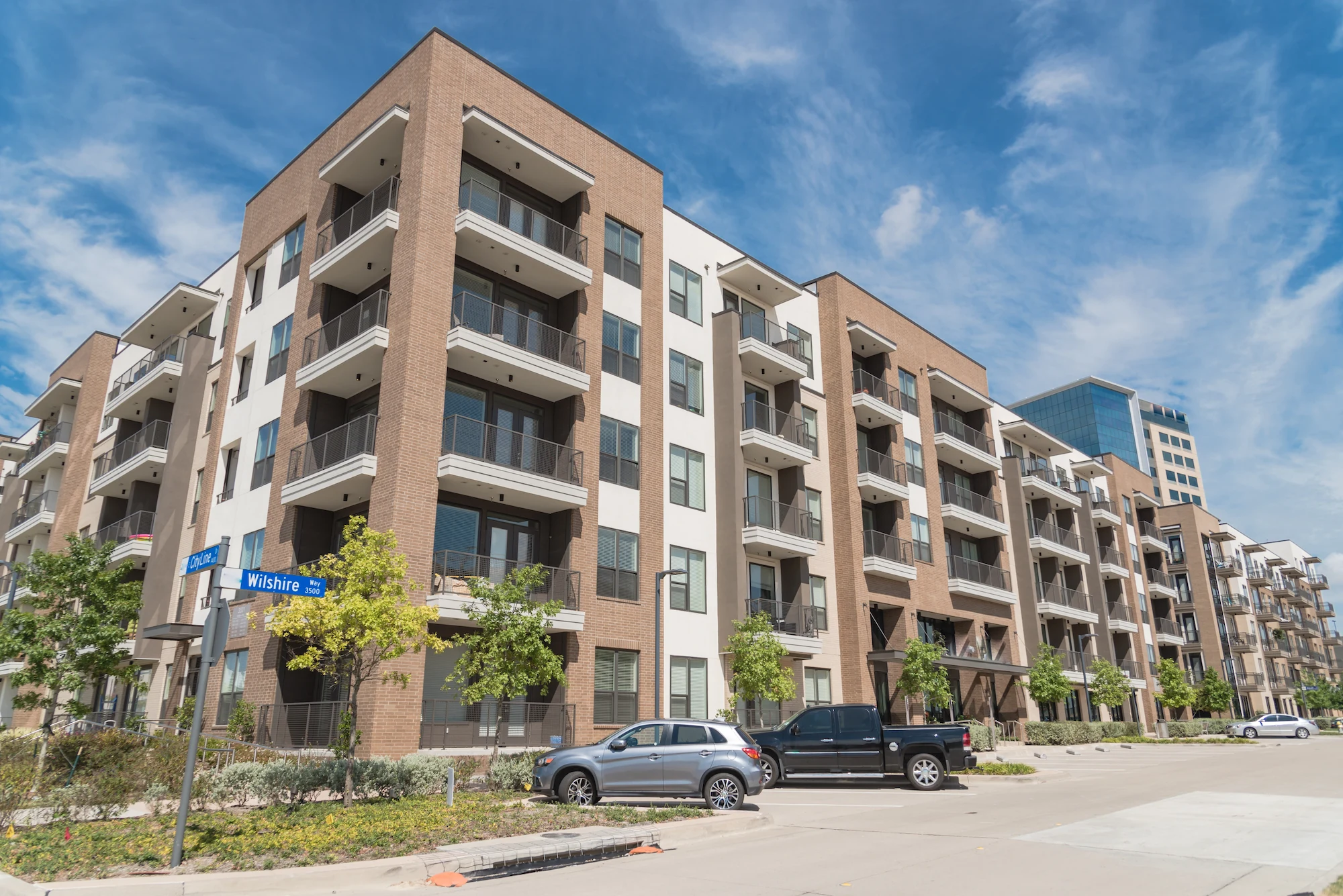
Multifamily Apartment Roofing in Flint, MI
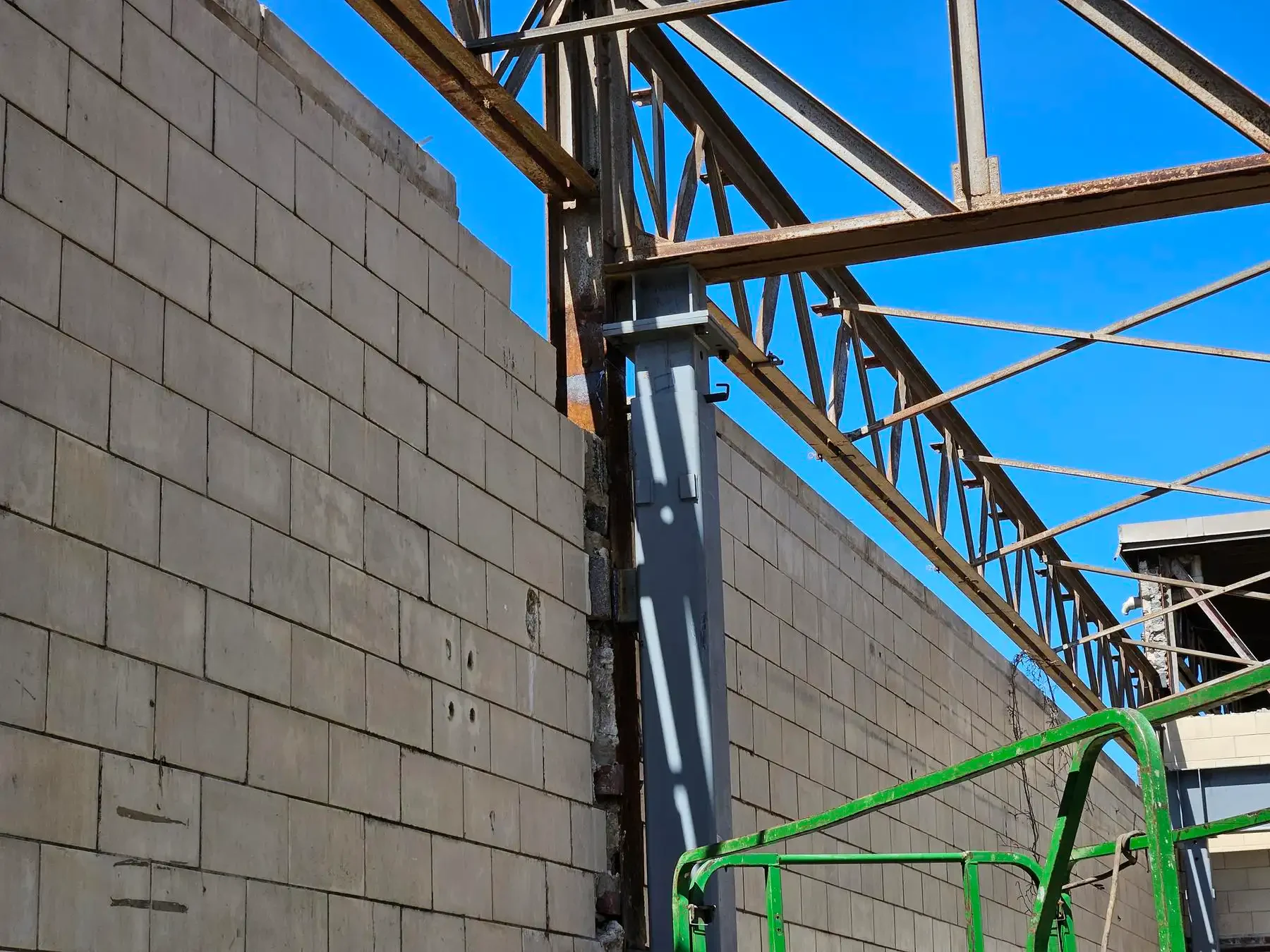
Roof Repair and Replacement for Flint's Older Apartment Stock
Flint's rental housing stock is old, and a lot of it has changed hands more than once since the buildings first went up during the area's manufacturing boom. Garden-style apartment complexes from the 1960s and 1970s make up a large share of what we see, and their roofs usually show the same pattern: deferred maintenance under a series of owners who managed the property from a distance.
The Roof Stock Behind Flint's Apartment Complexes
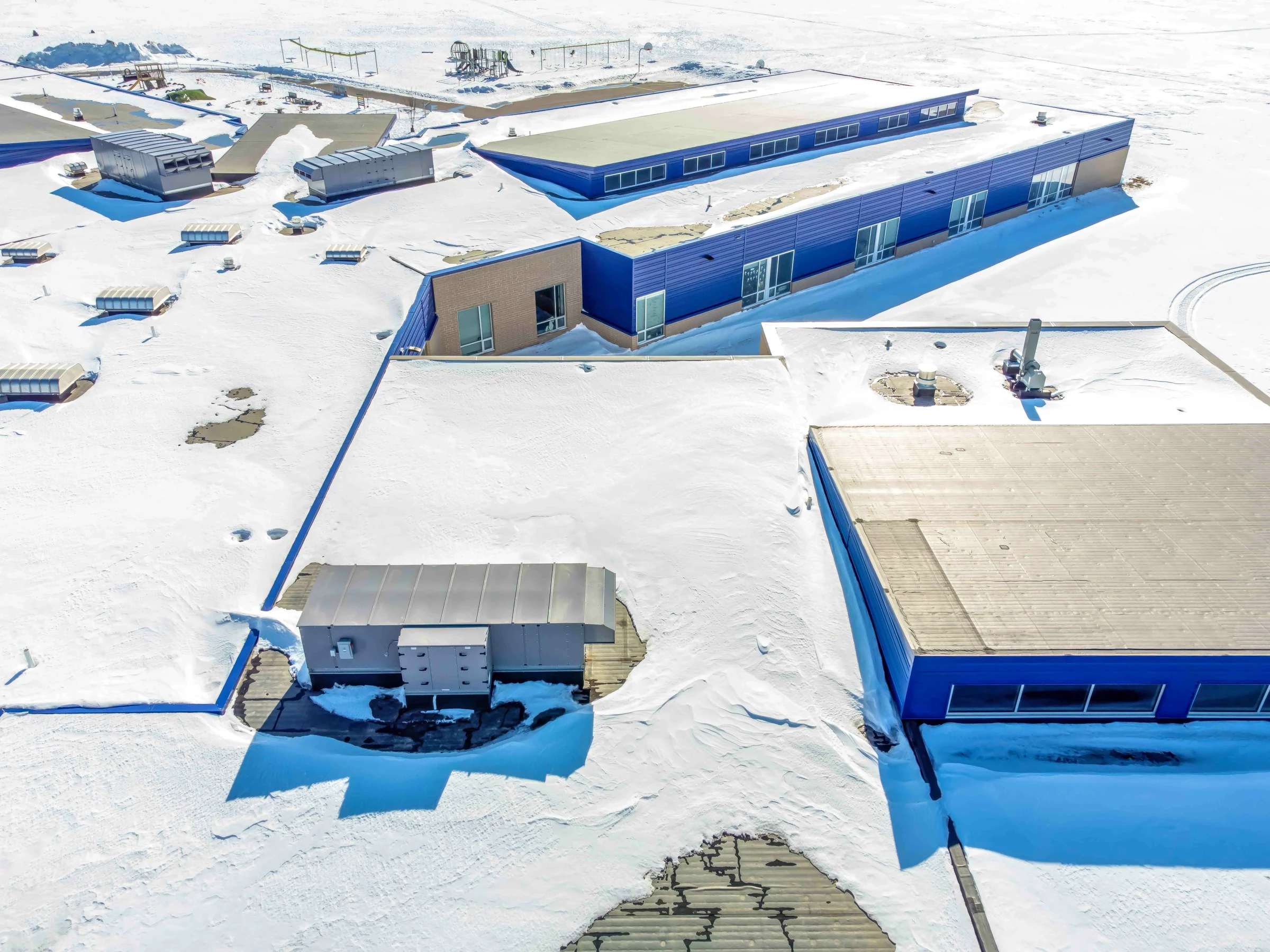
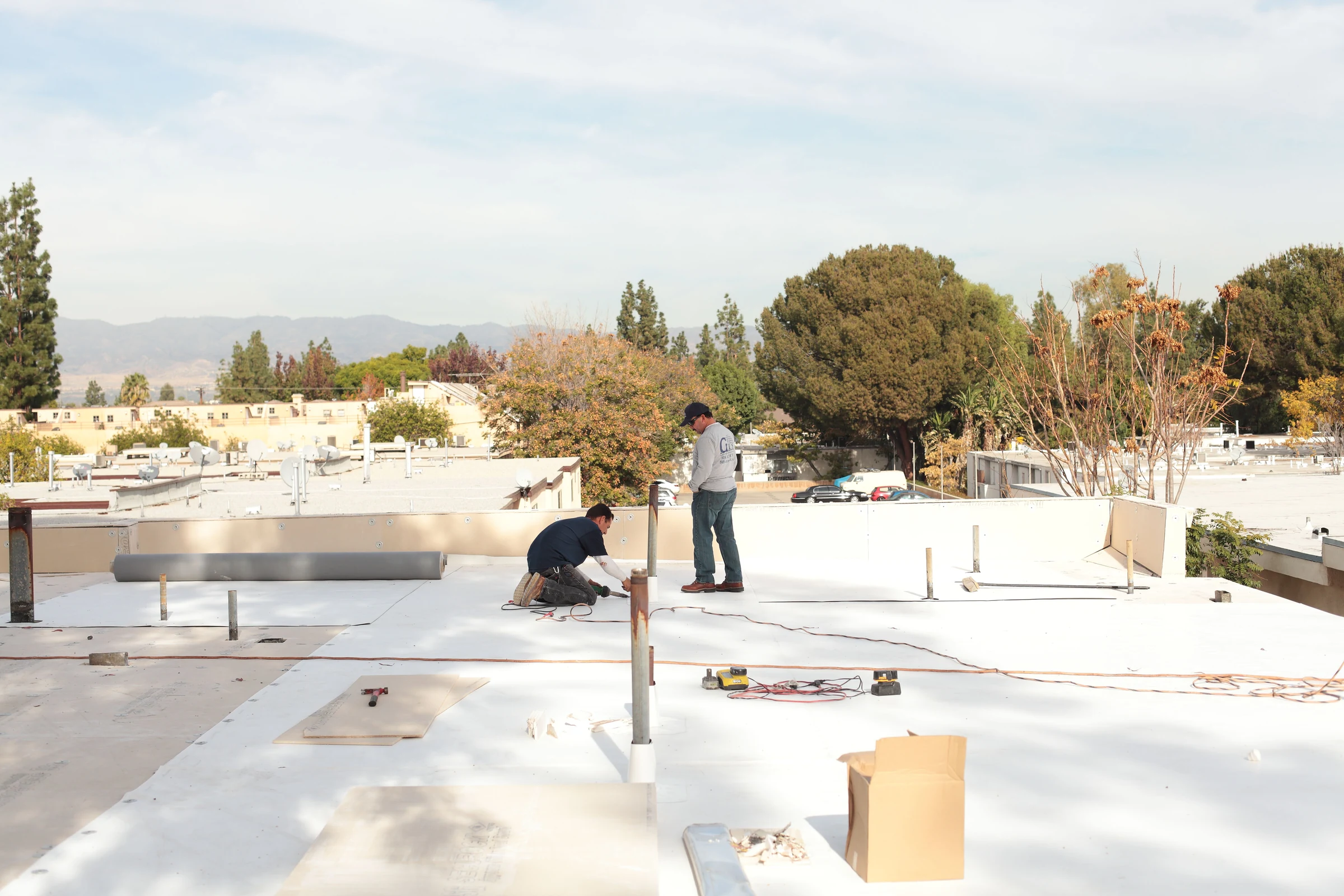
Most of the multifamily properties we assess combine low-slope flat sections over central hallways or common areas with pitched, shingled roofing over individual building wings. That mix means a single property can need two entirely different repair approaches at once, a flat-roof recover over a leasing office, and shingle replacement over a residential wing two buildings away.
Roof age on these properties often outpaces what the ownership record shows. Multiple sales and refinances over the decades mean maintenance history gets lost between owners, and a property management company taking over a complex may have no real documentation of when the roof was last touched, only a general sense that it should be fine.
Vacancy rate also plays a role in how these roofs get maintained. A building running at partial occupancy sometimes sees roof spending deferred longer than one running near capacity, since the revenue to fund a reroof is not always there when the leak first shows up. That gap between what a roof needs and what a property can spend is something we try to account for honestly rather than pretending it does not affect the decision.
Working Through Property Management, Not the Owner
Most multifamily roof calls in Flint come through a property management company rather than the building's actual owner, who may be based out of state and rarely visits the property. That changes how we communicate findings, a management company needs a scope report clear enough to forward to an owner who has never seen the roof and may only make a decision based on photos and a written recommendation.
We also account for the fact that management companies are often juggling several properties at once, with roof repair competing against other capital needs for the same limited budget. Breaking a scope into what stops active water intrusion now versus what can be scheduled over the next budget cycle gives a manager something they can actually act on.
Occupied-Building Realities
Apartment roof work happens over occupied units, which means staging, noise, and safety around tenants, parked cars, and children in common areas are constant considerations. A material lift or dumpster placement that would be simple on a vacant commercial building needs a different plan when it sits in an active parking lot.
Tenant notice matters too. We coordinate timing with property management so residents know when work is happening near their unit, particularly for anything involving roof penetrations directly above occupied living space.
What Drives Roof Decisions on Flint Apartment Properties
A few factors show up on nearly every multifamily roof assessment we do in the Flint area:
- Mixed flat and pitched roof sections under one property
- Incomplete or missing maintenance history after multiple ownership changes
- Storm damage that affects several buildings on the same property at once
- Budget cycles controlled by a management company rather than an on-site owner
- Tenant occupancy limiting staging and access options
- Insurance documentation needs tied to claims after wind or hail events
Any single one of these would complicate a roof project. On a lot of Flint apartment properties, three or four of them show up on the same job.
Storm Damage and Insurance Documentation
Wind and hail events across Genesee County frequently damage several buildings on the same apartment property at once, since a multi-building complex sits under the same storm path. We document damage building by building rather than treating the property as a single claim, since roof age and prior condition can vary significantly between wings even on one property.
That documentation work matters most when an insurance claim is involved. We provide dated photos, specific damage notes tied to each affected roof section, and a clear scope that separates storm-caused damage from pre-existing wear, giving property management and their insurance carrier a factual record to work from rather than a dispute over what happened when.
Multifamily Roofing Questions from Flint Property Managers
How do you handle a property with both flat and pitched roofs?
We assess and scope each roof type separately, since a flat common-area roof and a pitched residential wing usually need different systems and different repair timelines.
What if we don't have any roof maintenance records?
That is common after multiple ownership changes. We establish current condition through the assessment itself rather than relying on records that may not exist.
Can roof work happen without relocating tenants?
In most cases, yes, with proper staging, noise planning, and tenant notice. Full relocation is rarely necessary for standard repair or reroofing work.
How do you document storm damage across a multi-building property?
We assess and photograph each building and roof section individually, since damage and prior condition can vary from one wing to the next even on the same property.
Who do you typically communicate with, the owner or the management company?
Most often the management company, and we build scope reports clear enough to pass along to an out-of-state or otherwise remote owner for approval.
Related
Ready to review the roof scope?
Let’s Talk About Your Commercial Roof
Share the building, roof history, known leaks or damage, access constraints, and schedule. We’ll start with the roof condition and the facility below it.