
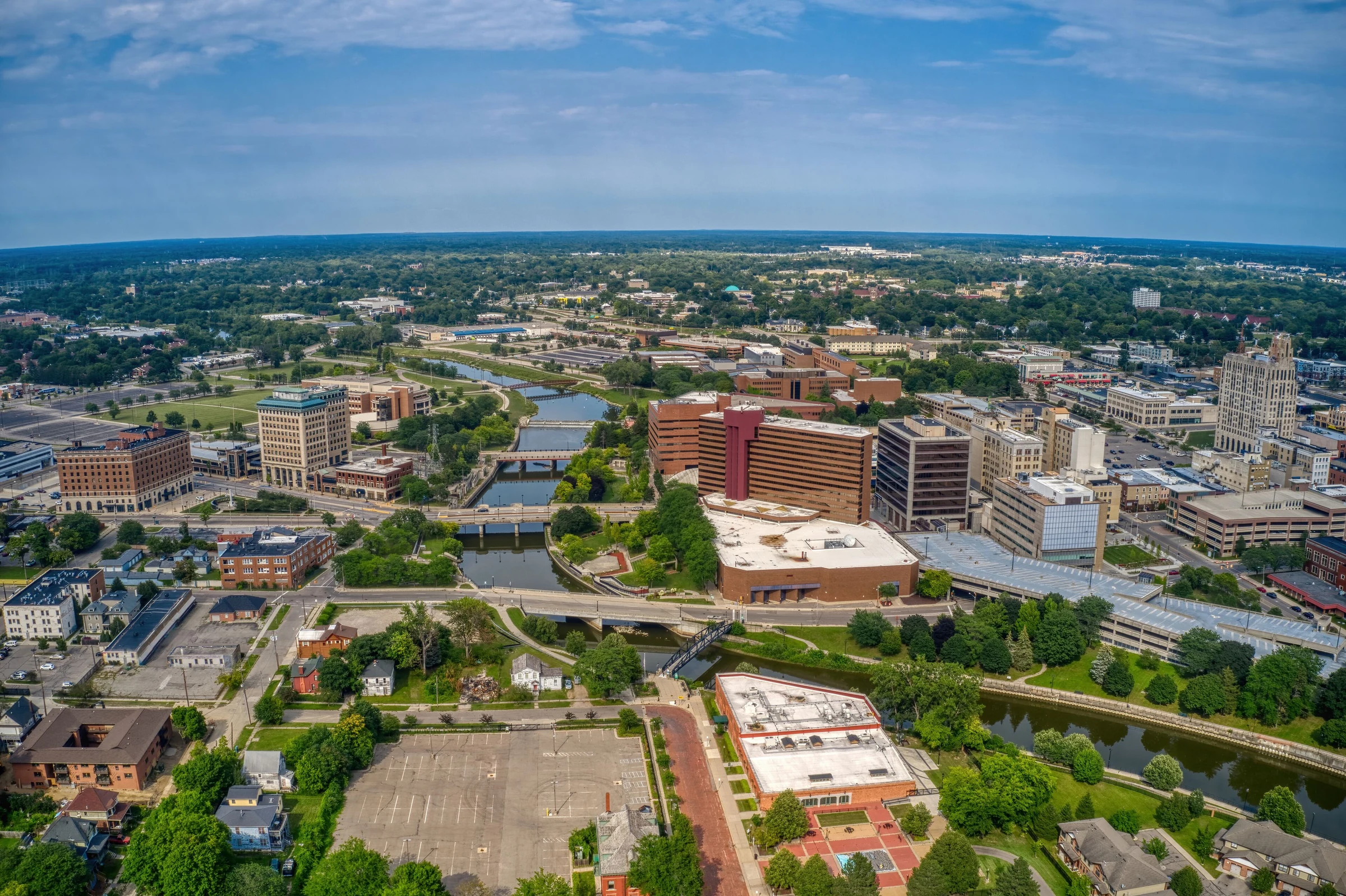
Commercial Roofing Contractors Holly, MI
Commercial Roofers in Holly
Commercial roofers serving Holly should document leak sources, wet insulation, drainage, edge details, penetrations, and repair history before recommending a scope. Holly's downtown grew up around the railroad, and the brick storefronts that line Battle Alley and the surrounding blocks still carry the roof problems you'd expect from buildings that old — parapet walls that have shifted slightly over a century, roof drains tied into plumbing installed decades ago, and multiple layers of prior roofing material stacked on top of the original deck.
Roofing Buildings With History Behind Battle Alley
Battle Alley's antique shops and small retailers occupy some of Holly's oldest commercial buildings, and the roofs above them reflect that age. It's common to find a modified bitumen or built-up roof that's been recoated multiple times over decades, sitting on a deck that's still sound but surrounded by masonry parapets that have settled unevenly. Flashing details that worked when the building was new often need to be redesigned rather than simply replaced in kind, because the wall itself has moved.
We approach these buildings the way any older-building roofer should: check the deck thoroughly before assuming the membrane is the only problem, and expect that a straightforward-looking repair might reveal a parapet or masonry issue underneath.
Rail Heritage and the Village's Light Industrial Edge
Holly grew as a railroad town, and while the passenger rail history is mostly a historic marker today, the industrial and service buildings on the village's edges still carry that working-town character — smaller manufacturers, contractor buildings, and storage facilities with straightforward low-slope roofs that see less foot traffic and fewer architectural constraints than downtown.
These newer, simpler roofs are a different job entirely from the historic downtown work — mostly EPDM or TPO maintenance and repair rather than restoration-minded flashing work around century-old masonry.
What Old Roofs Downtown Are Actually Telling You
A downtown Holly building often shows its roof's condition on the inside before anyone climbs up to look. Water stains that track along a specific wall, paint bubbling near the ceiling line, or a musty smell in an upstairs storage room are usually the first signs an owner notices, well before a visible hole or obvious membrane failure shows up on the roof itself.
- Multiple visible patch layers, a sign a roof has been maintained reactively rather than proactively
- Water staining on interior brick walls near the roofline, often a parapet flashing issue rather than a membrane failure
- Uneven parapet cap flashing where masonry has settled over time
- Drains that back up faster than they should for the roof's size
- Soft spots in the deck near older skylights or roof hatches
None of these point to a single fix on their own. That's part of why an inspection on a Holly building this old takes longer than a quick walk-around — the roof, the parapet, and the deck all need to be checked as separate systems that happen to share the same building.
Balancing Repair Against Replacement on Historic Storefronts
A downtown Holly building owner is often weighing a modest repair budget against a storefront's appearance and the practical reality that a full tear-off on an older building can surface issues nobody planned for. We give a straight assessment on which buildings can get another several years out of a targeted repair or recover, and which ones are past the point where patching makes financial sense.
Insurance-driven repairs after a storm follow the same logic downtown as anywhere else — thorough documentation before work starts, since older buildings sometimes draw more scrutiny from adjusters questioning whether damage is storm-related or simply age.
We also flag for owners when a repair we're being asked to make is really addressing a symptom of a bigger masonry or structural issue outside our scope, since patching a roof leak caused by a failing parapet wall without fixing the wall just means the same call comes back in a year or two.
Working Within a Downtown Historic District
Roof work visible from the street in a district like Battle Alley sometimes draws more attention from neighbors and other business owners than it would elsewhere, especially where a building's roofline contributes to the block's overall character. We keep street-facing cap and edge details consistent with the building's existing look whenever a repair touches that area, even when the underlying membrane work is invisible from the sidewalk.
Questions From Historic Downtown Holly Building Owners
Do you have experience with older built-up and modified bitumen roofs?
Yes, that's a large share of the roof stock downtown near Battle Alley, and we check deck condition carefully before recommending repair versus replacement.
Can a settled parapet wall cause roof leaks even if the membrane looks fine?
Yes. Masonry movement over decades often opens gaps at flashing details that were originally sealed tight, and that's a common source of leaks that don't trace to the membrane itself.
Is it worth repairing an old downtown roof or should it be replaced?
It depends on deck condition and how many prior repair layers are already on the roof. We give a direct answer after inspection rather than defaulting to replacement.
What roof types do you see on Holly's light industrial buildings versus downtown?
The industrial and service buildings on the village edge mostly run simpler EPDM or TPO systems, a straightforward contrast to the layered historic roofs downtown.
Do older buildings face more scrutiny on storm damage insurance claims?
Sometimes, since adjusters may question whether damage is storm-related or age-related on an older roof. We document thoroughly to support the claim either way.
Related
Ready to review the roof scope?
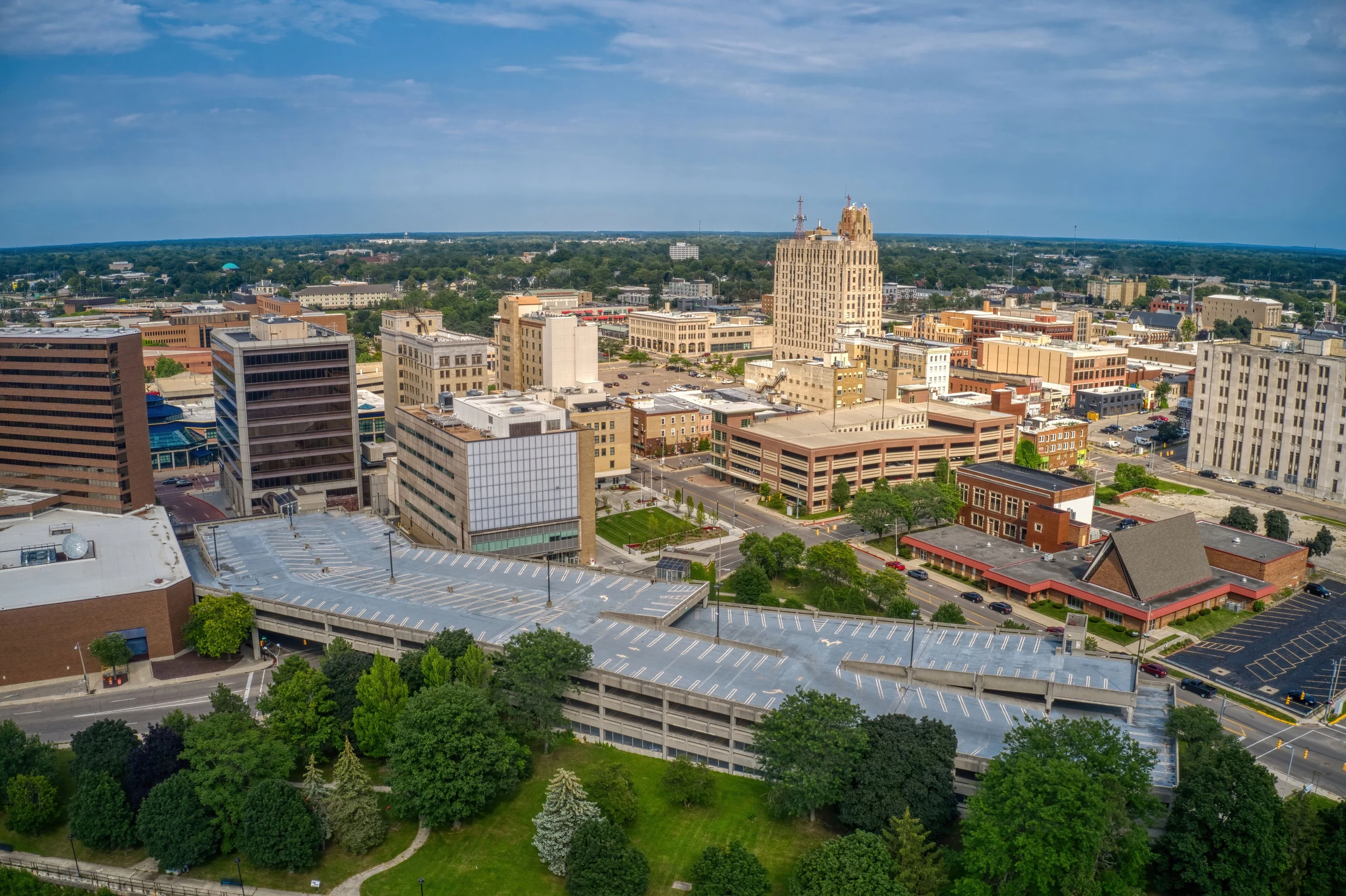
Let’s Talk About Your Commercial Roof
Share the building, roof history, known leaks or damage, access constraints, and schedule. We’ll start with the roof condition and the facility below it.