
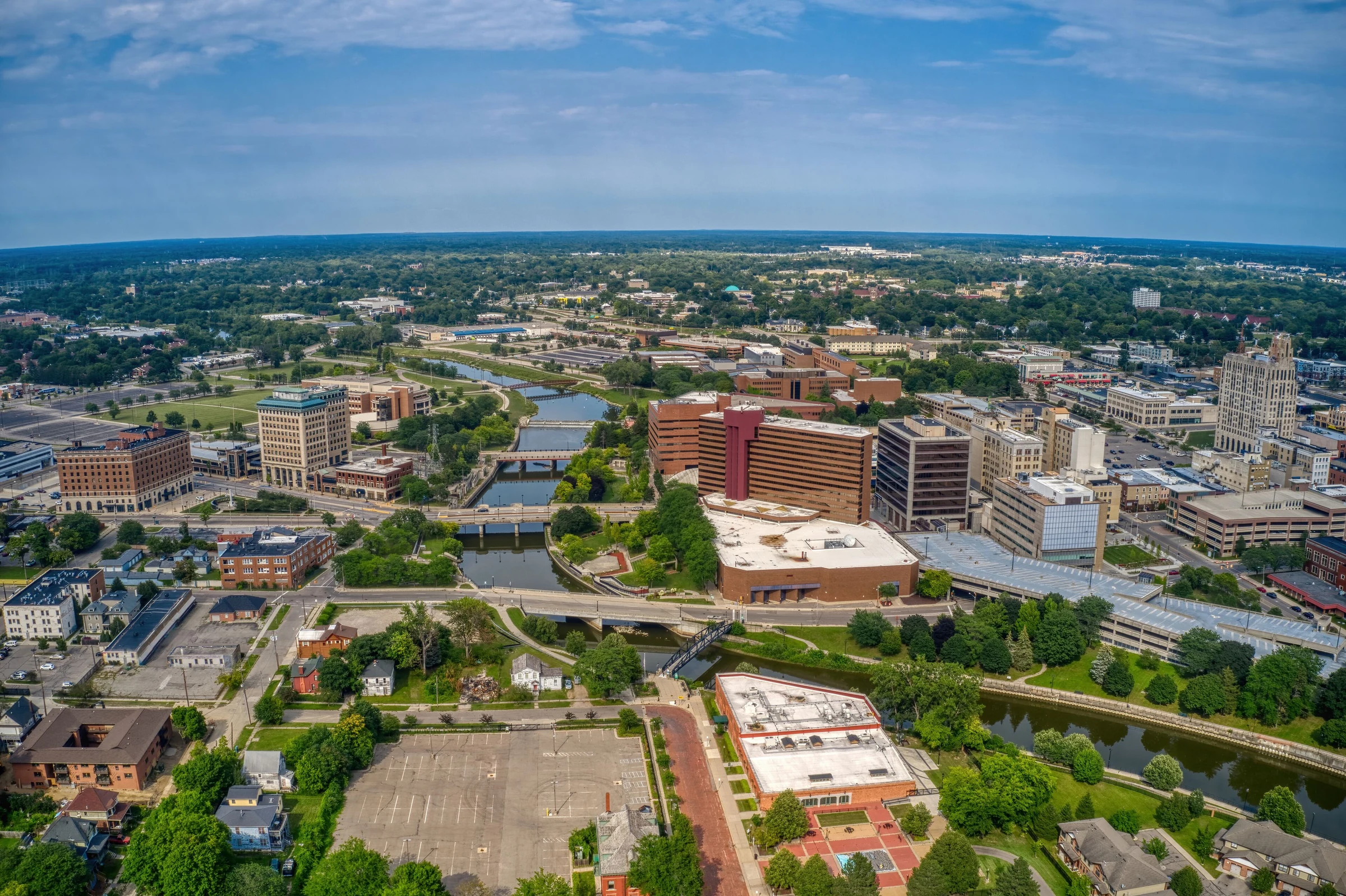
Commercial Roofers Along Davison Township's M-15 Growth Corridor
Commercial Roofers in Along Davison Township's M-15 Growth Corridor
For commercial properties in Along Davison Township's M-15 Growth Corridor, the defensible choice between repair, restoration, and replacement starts with roof-system condition, moisture findings, drainage performance, and remaining service life. Davison Township has seen steady retail and office development along M-15 over the past couple decades, which means the roof stock here skews newer than a lot of the older commercial corridors closer to Flint. Newer doesn't mean maintenance-free, though — it means different problems, mostly tied to warranty terms, original installation quality, and how well a roof was specified for its actual use.
A Newer Commercial Corridor With Its Own Set of Problems
Retail plazas, office buildings, and service commercial space have filled in along M-15 as the township has grown, and most of these roofs are TPO or EPDM installed within the last fifteen to twenty years. The issues we find here are less about age and more about installation quality and how well the original system matched the building's actual load — HVAC units added later, signage penetrations cut into the membrane after install, or a roof specified for a lighter use than what's actually happening on it now.
Manufacturer warranties are still active on a lot of these roofs, which changes the calculus for repair work. A repair done by the wrong contractor, or done without following the manufacturer's approved procedures, can void coverage that would otherwise pay for a legitimate defect claim.
Protecting an Active Manufacturer Warranty
We check warranty documentation before starting repair work on a roof that's still within its coverage window, since the fastest way to turn a covered problem into an out-of-pocket expense is a repair method the manufacturer doesn't recognize. Where a warranty claim is the right path, we help document the issue in a way that supports that process instead of working around it.
Owners are sometimes surprised to learn that a warranty's fine print can restrict who's allowed to perform repairs at all, on top of dictating how the repair itself must be done. We review that language upfront rather than after a repair is already underway, which is the point at which a coverage dispute becomes expensive to fix, and we'll say so plainly if a job needs to go back to the original installer to stay fully covered.
Office and Professional Building Roofs
The office space that's grown up along this corridor tends toward smaller rooftop HVAC footprints than retail, but more penetrations per square foot from data and communications equipment. These roofs generally see less wear from foot traffic and more from age-related seam and flashing fatigue as the installations reach their teens.
A number of these office buildings share ownership under the same property management group, which gives us a chance to track roof condition across several buildings at once and flag the ones falling behind the group's average before a tenant complaint forces the issue.
- Warranty documentation review before any repair work begins
- Seam and flashing condition on roofs approaching 15-plus years old
- Rooftop penetrations added for signage, HVAC, or communications equipment
- Drain and scupper sizing relative to actual roof square footage
- Membrane wear patterns near mechanical equipment pads
- Perimeter flashing condition after any high-wind event
Planning for the Next Wave of Re-Roofs
A lot of Davison Township's commercial roofs installed in the corridor's early growth years are now approaching the back half of their expected service life. We're seeing more inspection calls from owners who want a realistic timeline for replacement rather than waiting for a failure to force the decision, and we give that kind of straight, unhurried assessment rather than pushing a premature tear-off.
For owners managing several corridor properties, staggering re-roof timing across a portfolio can also spread out capital cost year over year instead of facing several roofs reaching end-of-life at once. We factor that kind of multi-property planning into our inspection reports when it's relevant.
Signage and Rooftop Equipment Retrofits
Retail and office turnover along M-15 means signage and rooftop equipment change more often here than on a stable industrial roof. Every new tenant sign, satellite dish, or replacement HVAC unit means a new penetration cut into a membrane that wasn't necessarily designed with that addition in mind. We check retrofit penetrations as a distinct category during every inspection, since they're a disproportionate source of the leak calls we take on this corridor, and we ask property managers to loop us in before a new rooftop install goes in rather than after.
M-15 Corridor Roofing Questions
Will repair work void my roof's manufacturer warranty?
It can, if the repair method isn't one the manufacturer recognizes. We check your warranty terms before starting any work on a roof still under coverage.
Most of the buildings along M-15 are relatively new — why would they already need roof work?
Age isn't the only factor. Added penetrations for signage or equipment, and installation quality issues, can create problems well before a roof reaches the end of its expected life.
Can you help with a manufacturer warranty claim instead of a paid repair?
Yes, where the issue qualifies, we document it in a way that supports a warranty claim rather than working around it.
How do office building roofs differ from retail roofs on this corridor?
Office roofs generally see less foot traffic but more penetrations from communications and data equipment, which shifts where problems tend to show up.
When should an owner start planning for replacement on a 15-year-old roof?
Before it fails. We recommend an inspection-based timeline so replacement can be budgeted rather than forced by an emergency.
Related
Ready to review the roof scope?
Let’s Talk About Your Commercial Roof
Share the building, roof history, known leaks or damage, access constraints, and schedule. We’ll start with the roof condition and the facility below it.